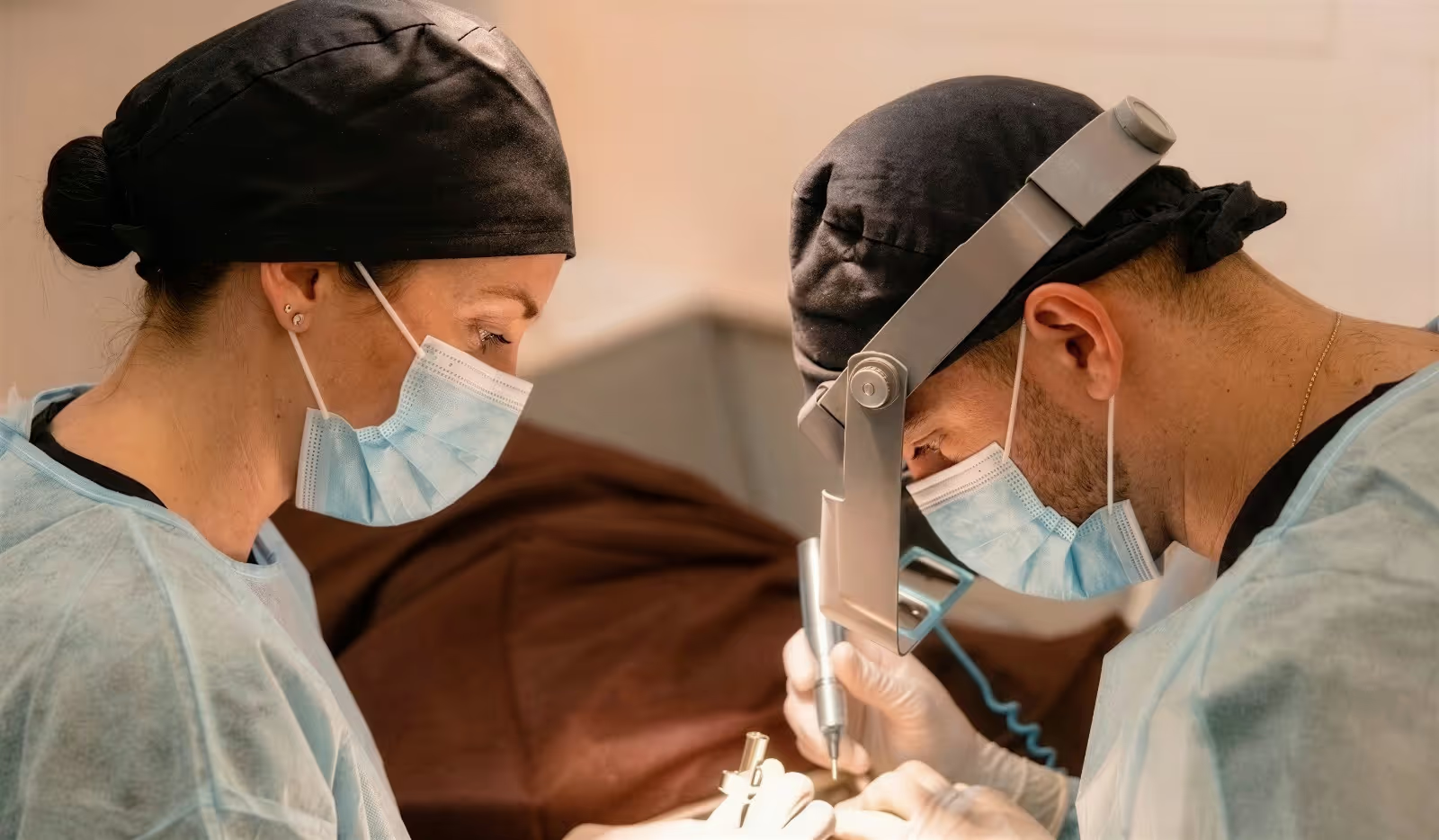
Chirurgisches Team von Māra bei einer FUE-Haartransplantation in Zürich

Permanent Hair Restoration

Hair transplantation in Zurich

Māra combines the gentle FUE method using your own hair with PRP bioactivation and long-term Swiss aftercare — a medically guided path to hair restoration.

Understanding Hair Restoration

The science of hair transplantation

A hair transplant does not create new hair — it relocates genetically resilient follicles from the donor area at the back of the scalp into thinning or bald zones. Because it is your own hair, it continues to grow for life in its new place.

The Biological Concept

Relocating resilient follicles

Permanent Zone

The back and sides of the scalp contain DHT-resistant follicles. This donor zone is the biological basis for a stable result and is analysed before every procedure (density, hair calibre, quality).

Tranplant

FUE redistributes existing follicular units: single-hair grafts at the hairline for a soft transition, 2- to 4-hair grafts behind for density. A typical frontal reconstruction uses 1,500–3,000 grafts.

Viability

Each follicular unit is living tissue. Continuous moistening with nutrient solution, short handling times and precise placement determine graft survival.
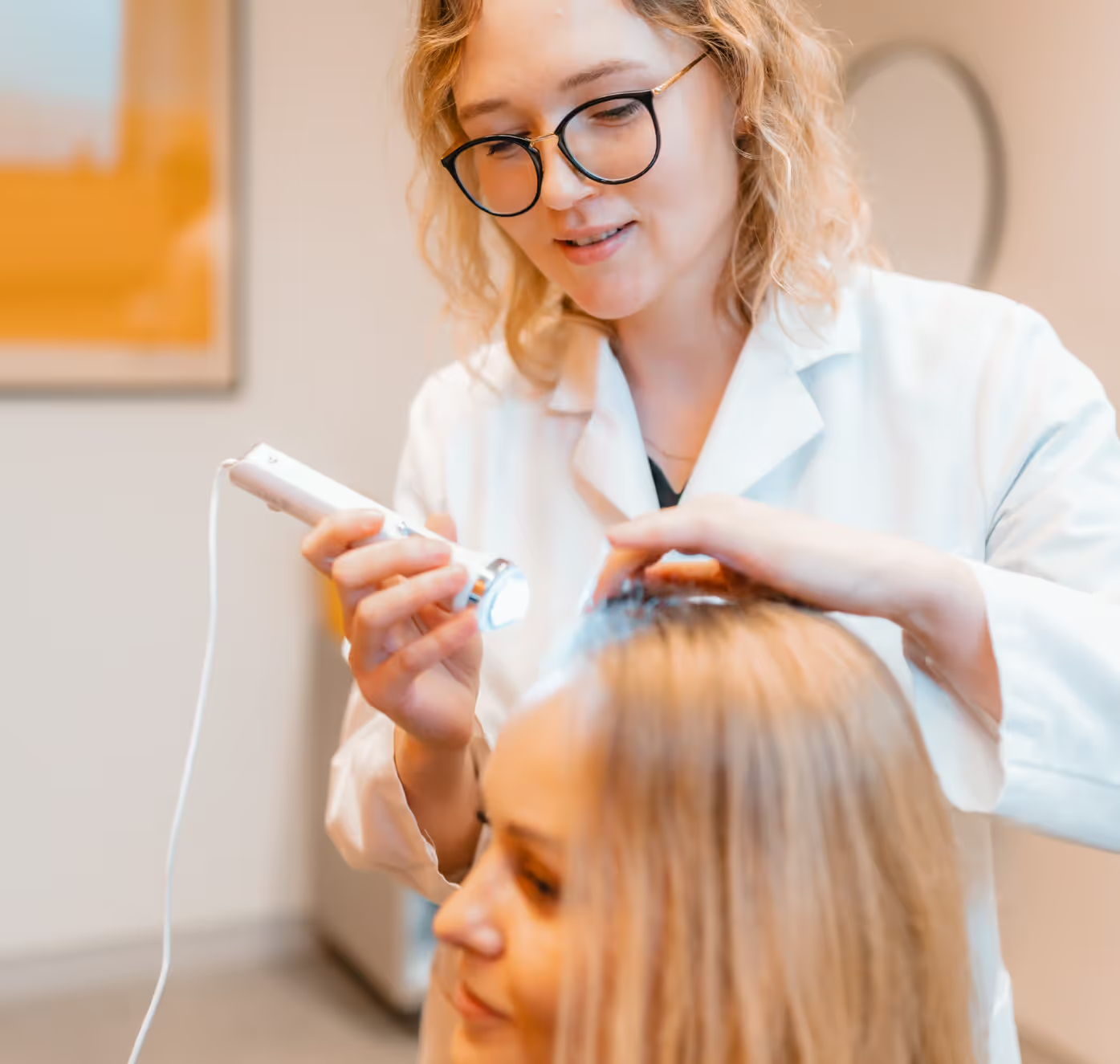
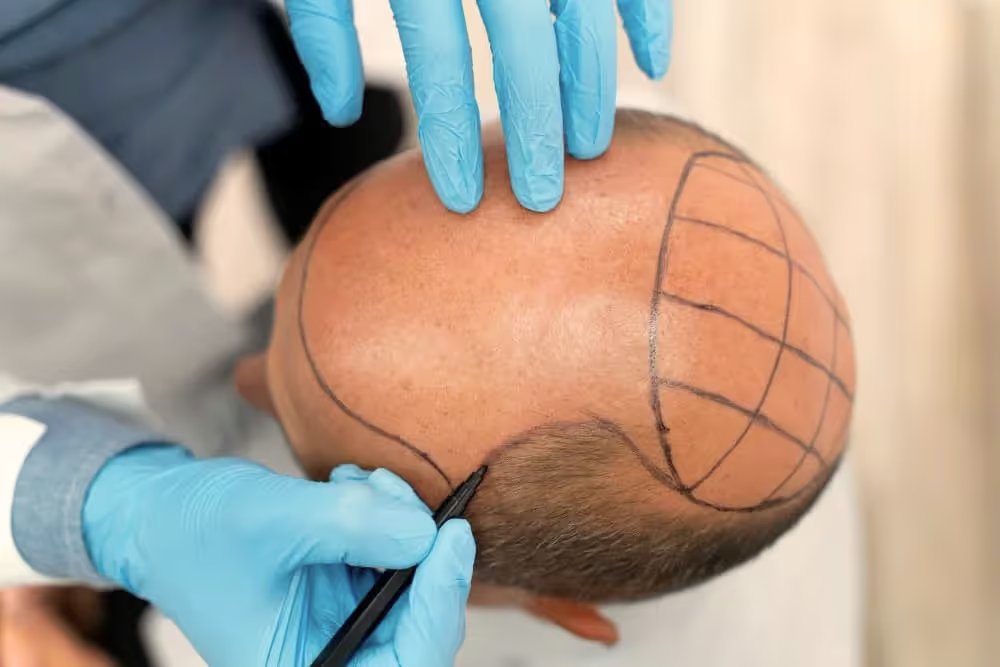
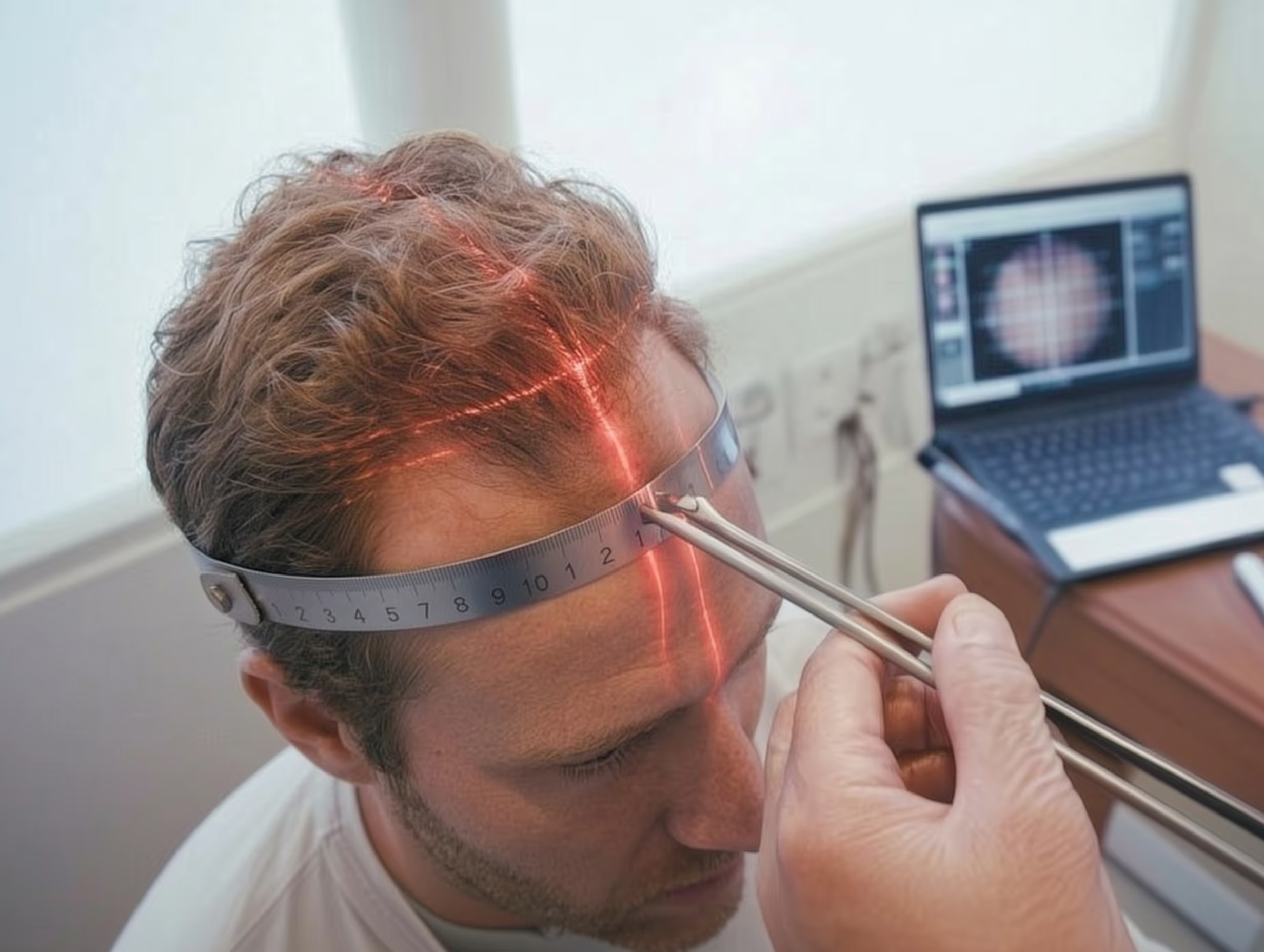
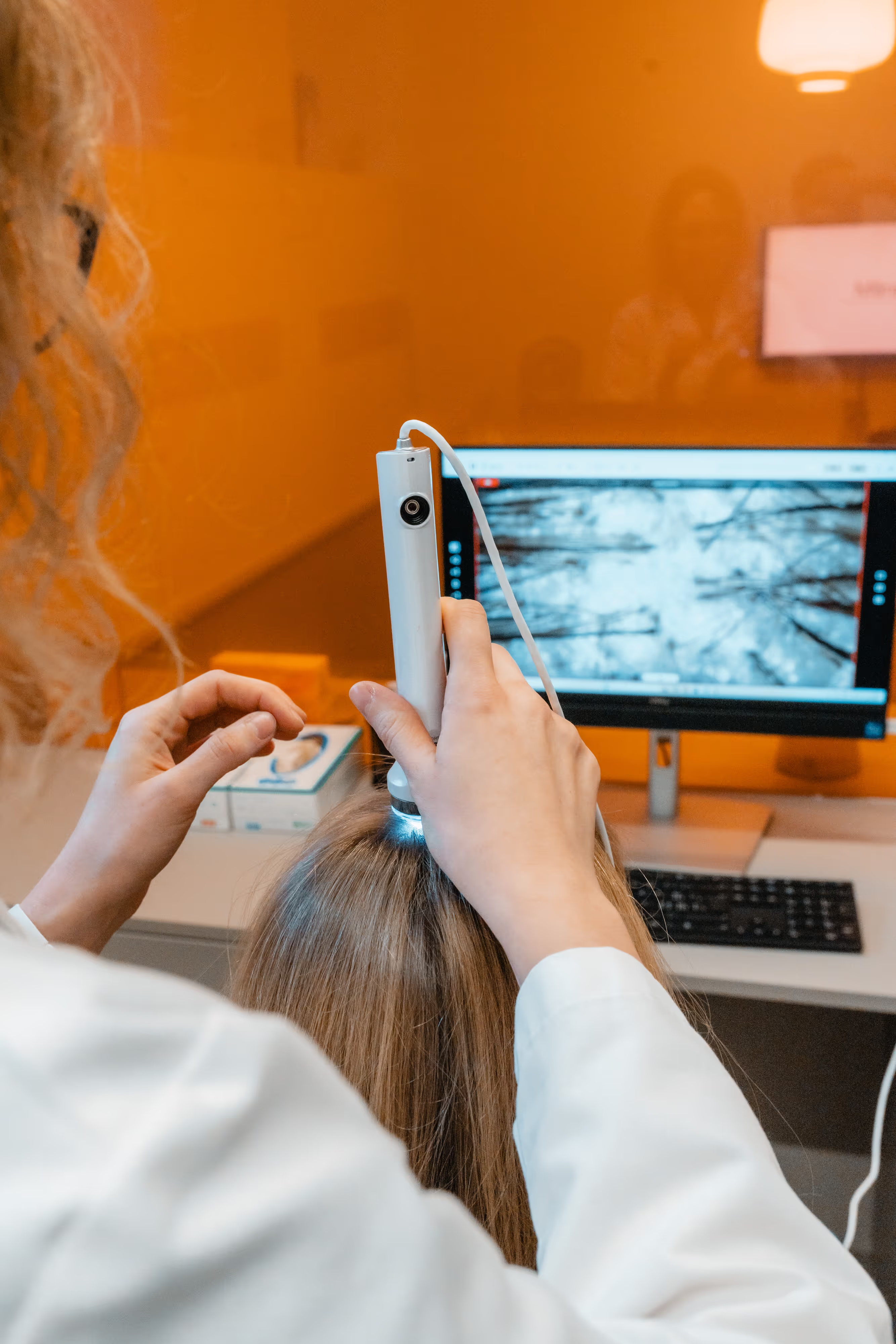
Hair analysis consultation at Māra
Hair analysis as the start of treatment

Before & After

Our patients’ results

Two patients, one year of follow-up: from analysis to documented results.

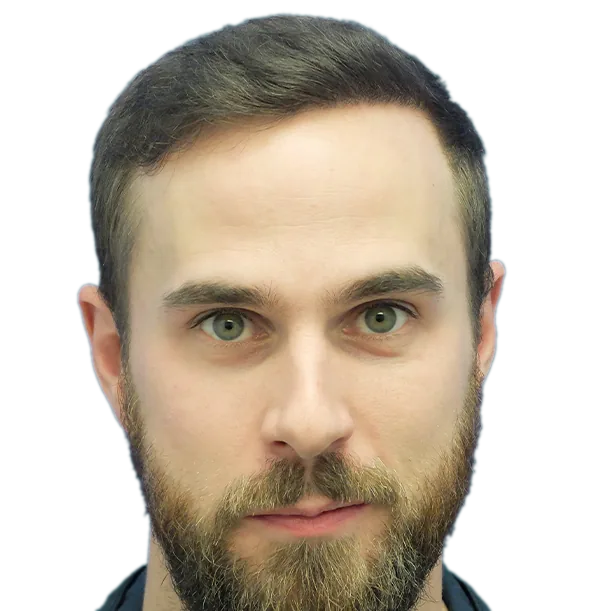
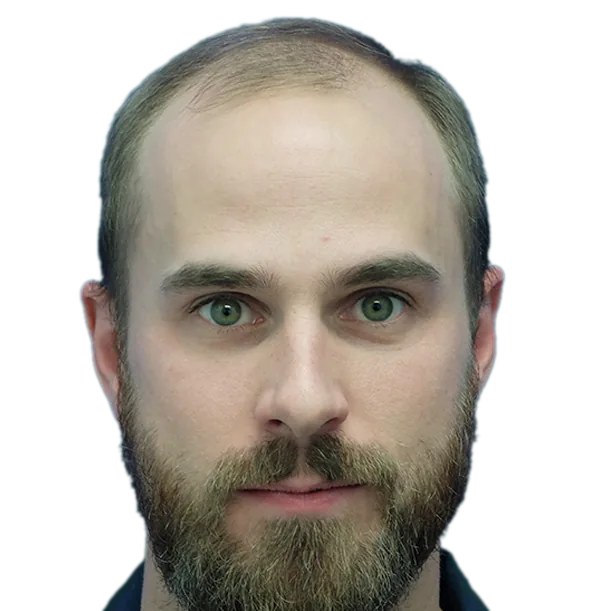
Vorher: stark zurückweichende Stirnlinie vor der Haartransplantation
Before
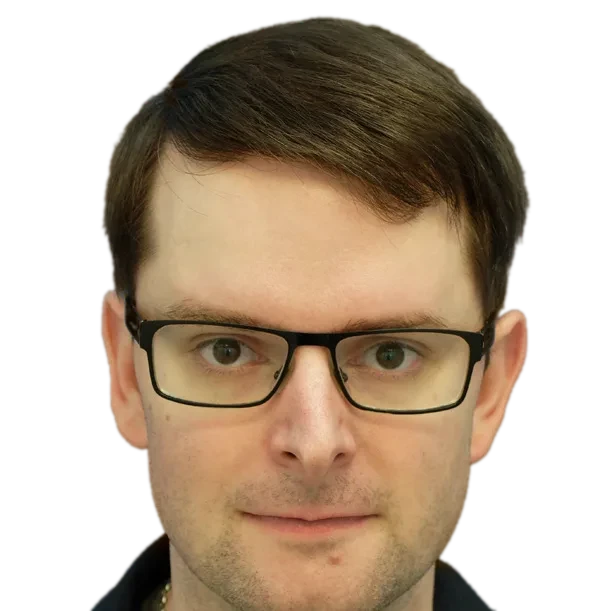
Neue Stirnlinie 8 Monate nach FUE-Haartransplantation mit 3.000 Grafts
8 months

Hairline

New hairline with 3,000 grafts

Strongly receding hairline, age 32. FUE hair transplant, result after 8 months.

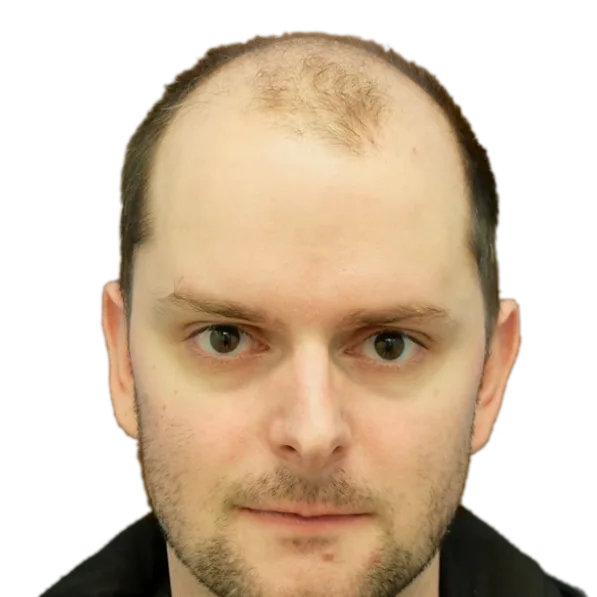
Vorher: ausgeprägter Haarverlust an Stirn und Oberkopf vor der Haartransplantation
Before
Neue Haarlinie 15 Monate nach FUT-Haartransplantation mit 7.300 Grafts
15 months

Hairline & top

New hairline with 7,300 grafts

Advanced hair loss at the front and top (Norwood 6), 28 years old. FUT hair transplant, result after 15 months.

Alle Vorher-Nachher-Verläufe ansehen

Surgical Mastery & Artistry

Precision craftsmanship: the FUE technique

At Māra, only the gentle FUE method is used — no strip harvest, no linear scar. Quality comes from microscopic precision and the team’s aesthetic judgment.

Our Surgical Foundation

FUE mastery

Individual follicular units are extracted with a fine punch (0.8–1.2 mm) from the shaved, locally anaesthetised donor area — motorised or manual. Unlike FUT, there is no linear scar; short haircuts of 6–10 mm are usually unobtrusive after 3–4 months.

Aesthetic Mastery

The natural hairline

A natural result depends on aligning grafts with the natural growth direction: single-hair grafts at the front for a soft transition, multi-grafts (2–4 hairs) behind for density. Angle, density gradient and flow are drawn together with you before surgery.

Biological Viability

Living tissue handling

Between extraction and implantation, grafts are sorted under the microscope by hair count and kept continuously moist. That care protects vitality and is the basis for a lastingly dense result.

FUE follicular unit extraction
FUE mastery: individual follicular extraction as a manual, microscopic craft.
Natural hairline planning
Hairline mastery: angles, density gradients, and flow are guided by the team’s aesthetic judgment.
FUE follicular extraction

FUE mastery: individual follicular extraction as a manual, microscopic craft.

Graft handling during FUE

Graft handling: follicular units are protected during extraction, sorting, and placement.

Hairline design and density planning

Hairline mastery: angles, density gradients, and flow are guided by the team’s aesthetic judgment.

Natural hair growth direction

Natural direction: the result depends on believable orientation, transition, and density.

Living graft tissue handling

Living tissue handling: graft survival depends on short handling windows and careful protection.

Follicle viability during placement

Viability protection: follicles remain living tissue throughout extraction and placement.

Risiken & Sicherheit

Risiken einer Haartransplantation

Eine FUE-Haartransplantation ist ein chirurgischer Eingriff unter Lokalanästhesie. Die meisten Reaktionen sind Teil der Heilung; echte Komplikationen sind selten, aber sie existieren und gehören ins Gespräch.

Normale Heilung

Rötung, leichte Schwellung an Stirn und Schläfen, kleine Verschorfungen und vorübergehender Shock Loss in Woche 2 bis 12.

Seltene Komplikationen

Infektionen, Follikulitis, anhaltende Taubheitsgefühle oder eine sichtbar ausgedünnte Spenderzone bei zu aggressiver Entnahme.

Was Risiko senkt

Blutpanel und Trichoskopie vorab, konservative Graft-Zahlen pro Sitzung, mikroskopische Sortierung und Kontrollen nach 1, 3, 6 und 12 Monaten.

The Māra Method

The Māra method: beyond the surgery

A transplant takes one day, but hair growth is a biological cycle over 12–14 months. Māra combines surgical craft with preparation and aftercare so grafts have the strongest possible environment.

The Ecosystem

The scalp as a recipient area

Not only the donor area is prepared, but also the scalp that will receive the new grafts.

Grafts are placed as living units, not cosmetic filler.

Healing conditions are supported beyond procedure day.

Holistic Advantage

PRP promotes healing

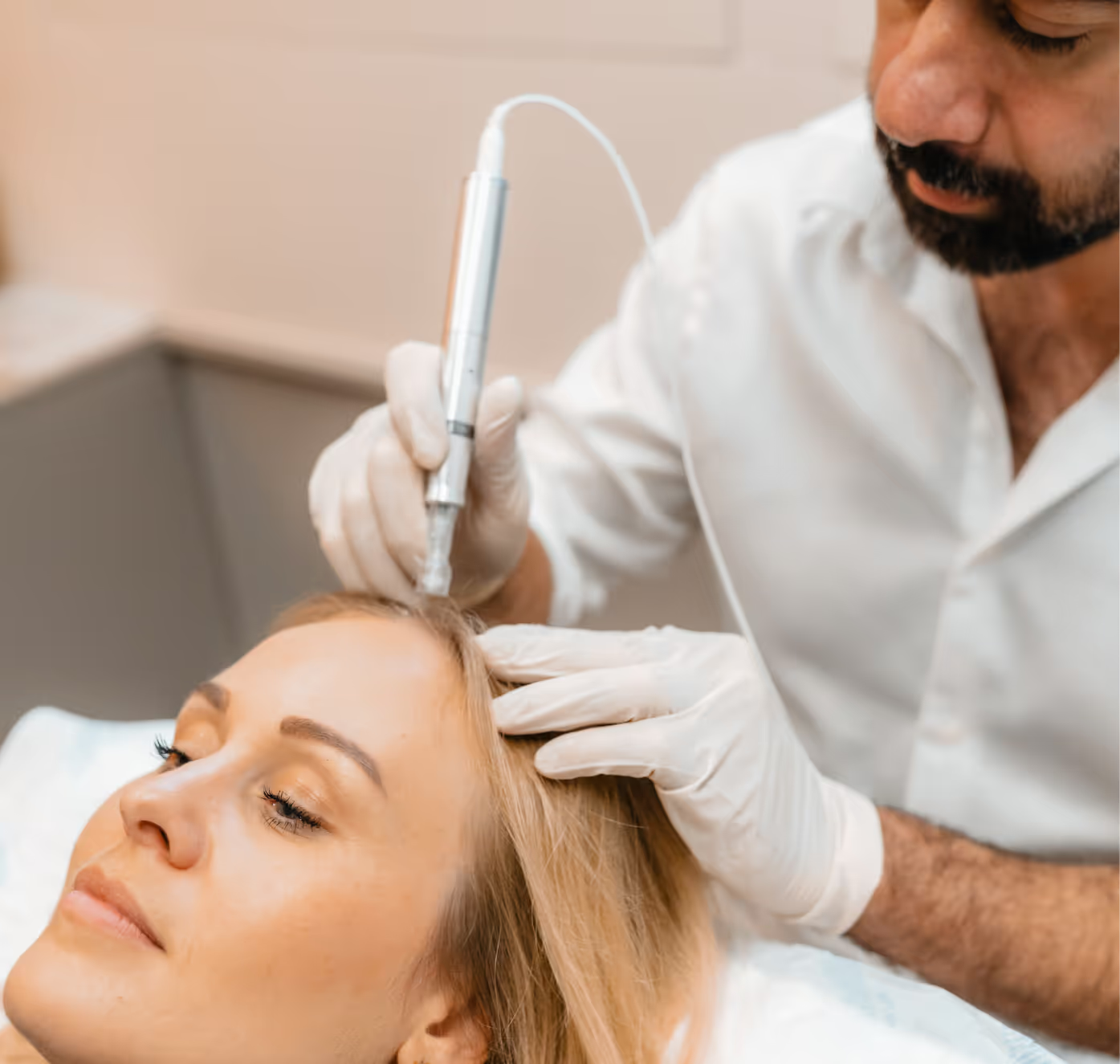
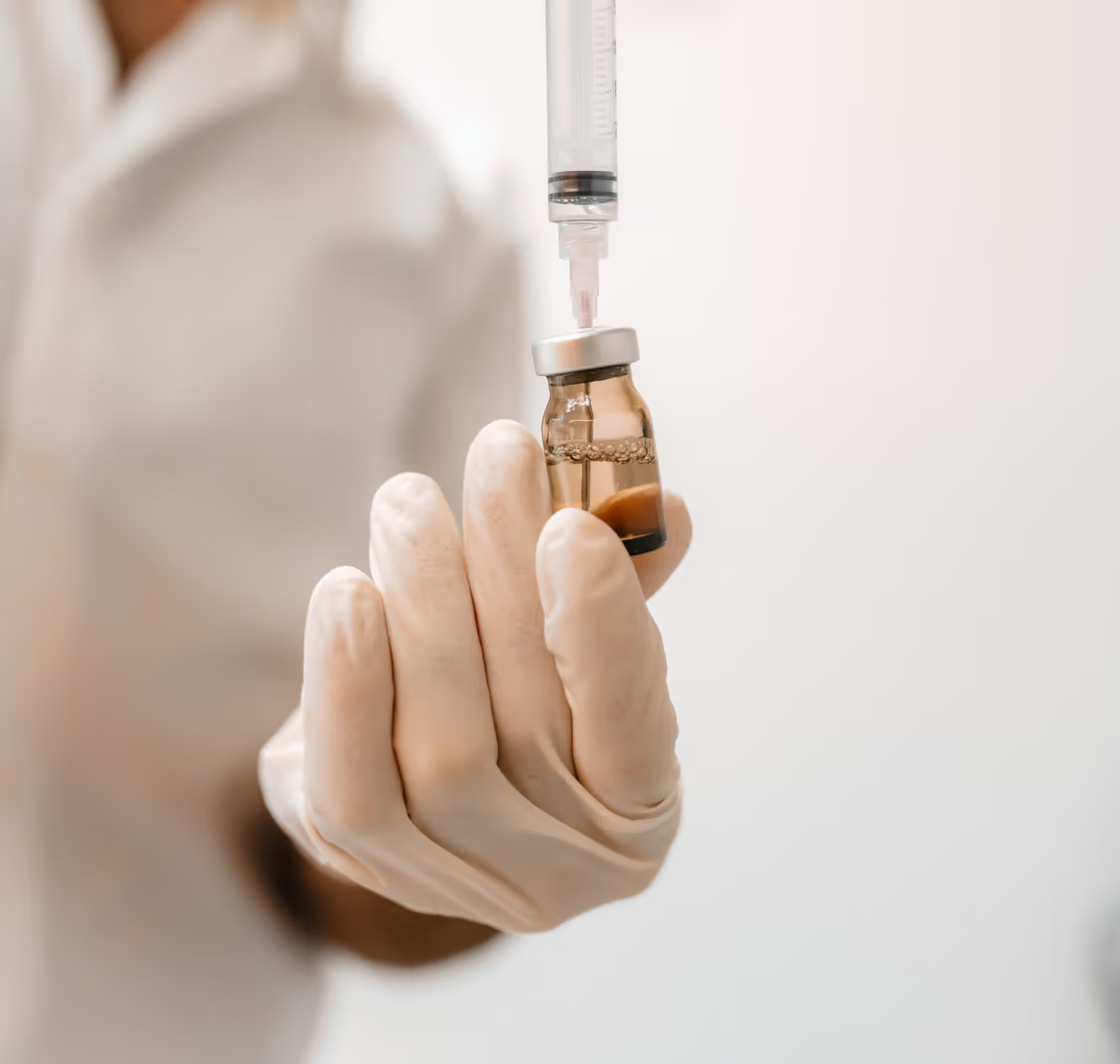
PRP supports blood flow, follicle healing and growth in the first months after surgery.

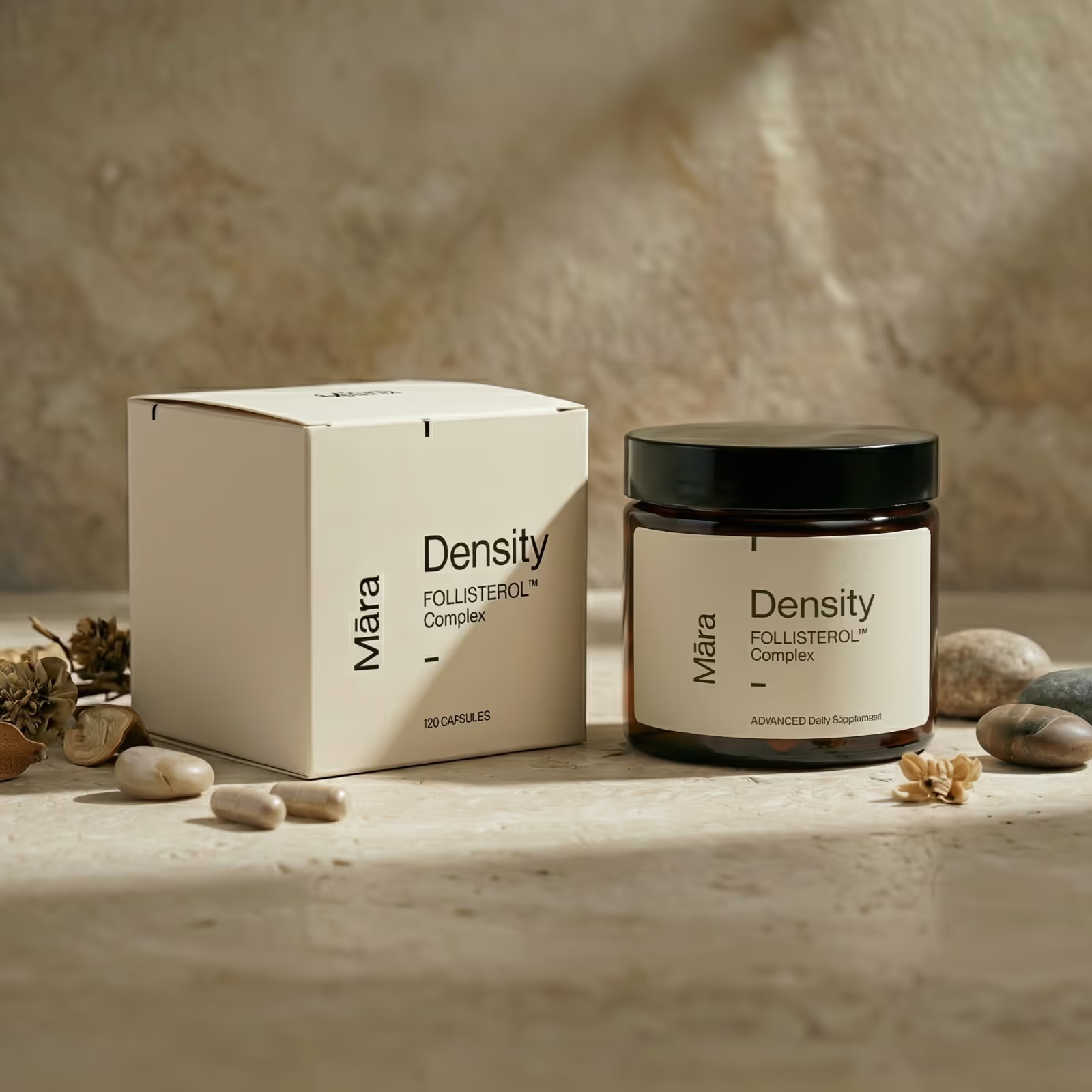
Individually tailored supplements support recovery and follicle nourishment.

Accountability

Aftercare remains in Zurich

The same team stays with you as results mature over the months.

Medical responsibility does not end on the day of surgery.

Maintenance is part of the outcome, not an add-on.

The Soil & The Seed

A hair transplant requires a prepared scalp

Prepare

PRP biologically prepares the scalp and creates a more receptive environment for new grafts.

Place

Manual FUE extraction, microscopic sorting, precise placement in fine channels.

Maintain

Specialist shampoo, aftercare instructions and check-ups protect graft take.

A transplant needs a prepared biological environment.

PRP biologically prepares the scalp and creates a more receptive environment for new grafts.

Manual FUE extraction, microscopic sorting, precise placement in fine channels.

Specialist shampoo, aftercare instructions and check-ups protect graft take.

Support every step of the growth cycle.

PRP supports vascularization and healing readiness around the recipient area.

Supplements support recovery and follicle nourishment during the growth phase.

The protocol is designed to protect graft survival beyond procedure day.

Local continuity keeps the result accountable.

Follow-up care remains local and medically accountable throughout recovery.

The same team remains available as density matures and questions arise.

Maintenance is treated as part of the outcome, not an afterthought.

Clinical Assessment

Scientific diagnostics & analysis

Before every hair transplant, Māra establishes whether the donor area, scalp and overall health are ready for the procedure. This assessment is the medical prerequisite for a responsible result.

Hair diagnostic analysis
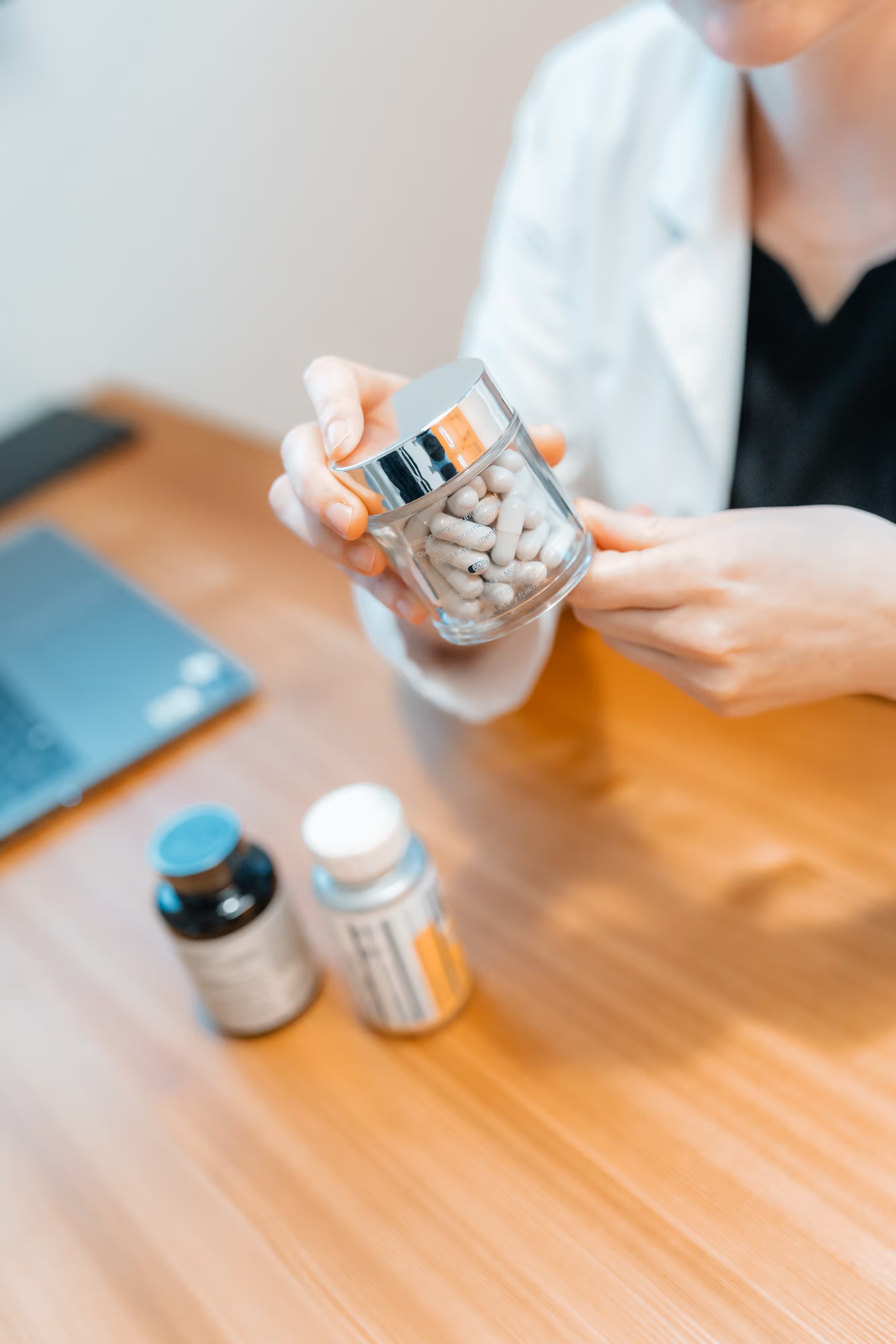
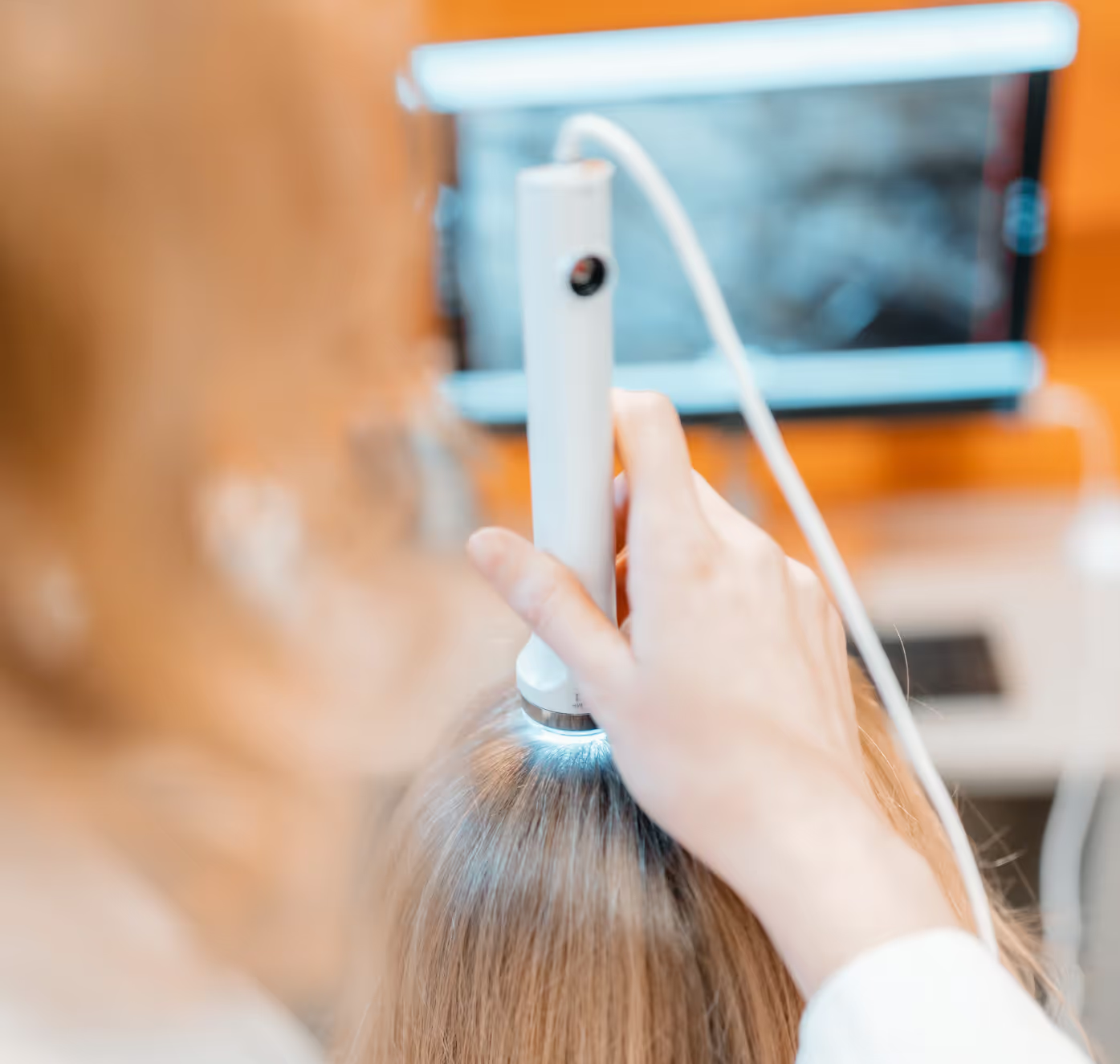
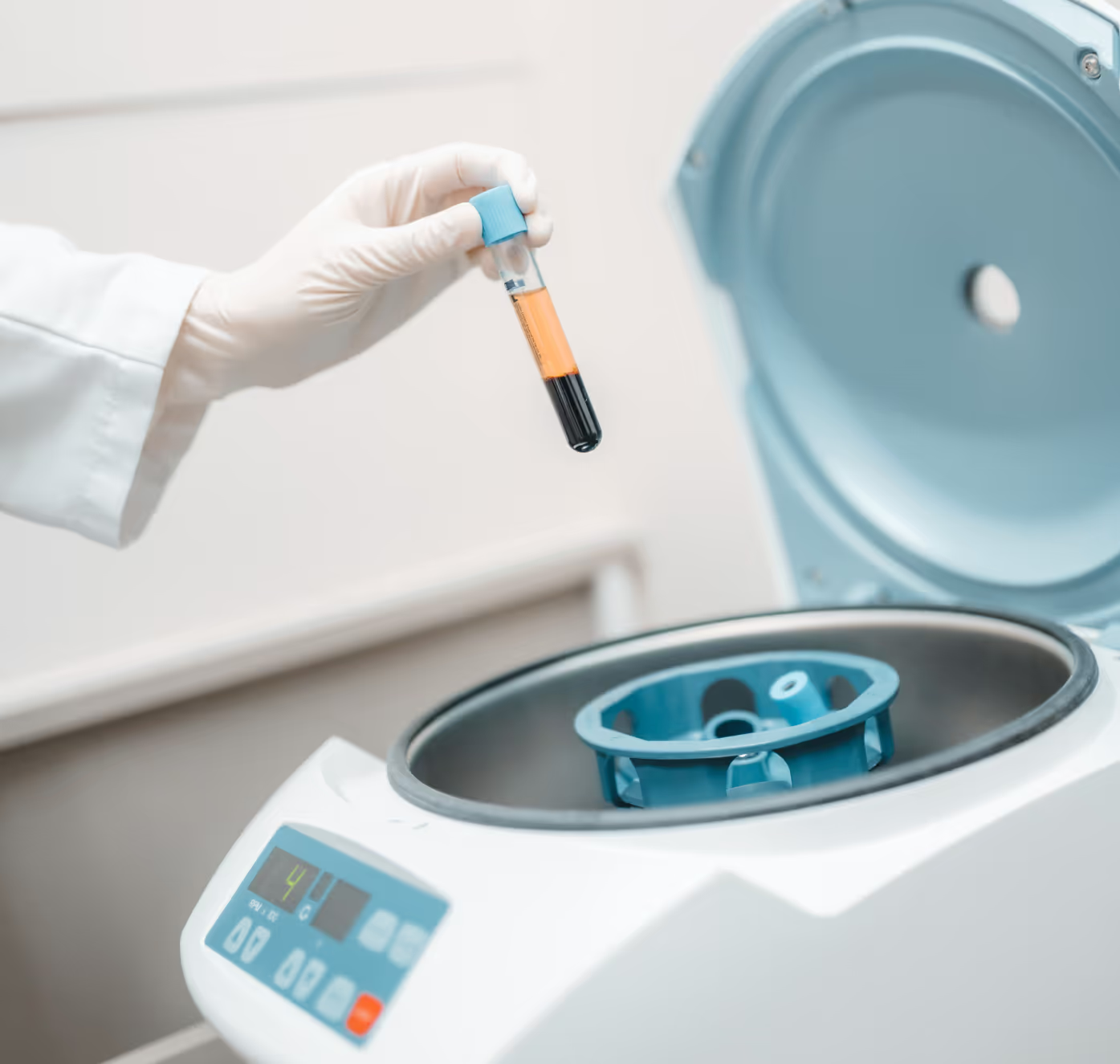
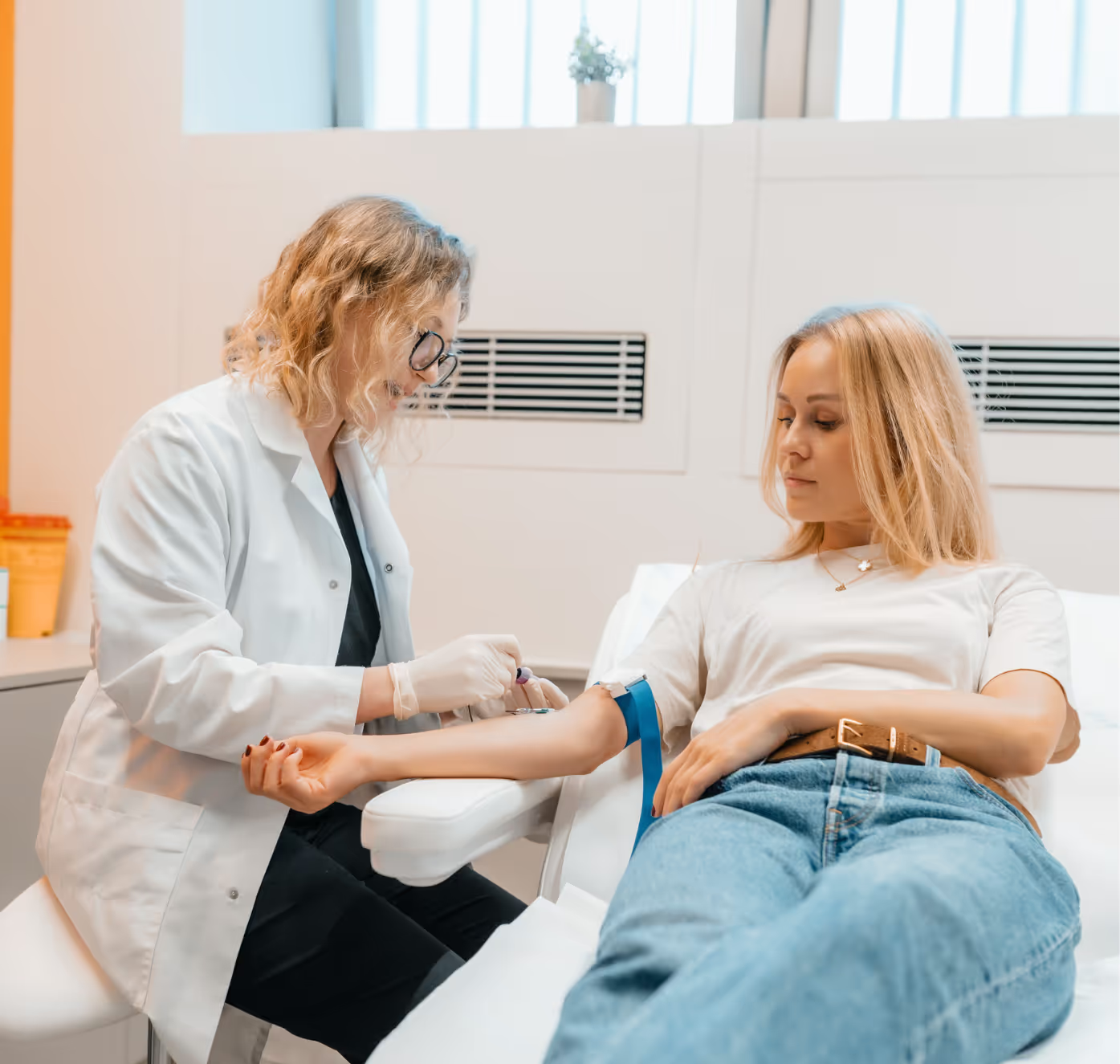
Diagnostic analysis combines medical history, microscopic scalp imaging, and internal blood markers.
Medical history source

Medical history: pattern, timing, triggers, treatments, and health context.

Scalp imaging source

Scalp imaging: magnified assessment of donor density, miniaturization, and recipient quality.

Blood panel source

Blood panel: internal markers and hormones that influence healing and sustained growth.

History

Medical history

Family history, the course of hair loss, previous therapies (minoxidil, finasteride and others), coexisting conditions and realistic expectations are discussed in detail.

Trichoscopy

Scalp imaging

Digital hair analysis and photo documentation from several angles. Hair density, degree of miniaturisation and donor quality are assessed under magnification.

Blood Test

Blood test

Internal markers and hormones help assess healing capacity and sustained growth. Contraindications such as uncontrolled diabetes or clotting disorders are ruled out in advance.

Individual plan

The final recommendation balances donor density, hair-loss stability, blood values and aesthetic goals. Only then are graft count, hairline and quote confirmed.

The Restoration Journey

Your 12-month roadmap

The roadmap connects assessment, preparation, procedure day, recovery support, PRP bioactivation and medical monitoring into one structured year of care.

1

Assessment

Medical history, trichoscopy and a blood panel define the medical roadmap and the appropriate graft strategy.

2

Preparation

Supplements and healing preparation support the body before procedure day.

3

Procedure Day

Outpatient under local anaesthetic, 4–8 hours including breaks. FUE extraction, microscopic sorting, implantation. You stay awake, can listen to music and go home the same day.

4

Recovery & Support

Days 1–10 are the critical take phase: careful washing with specialist shampoo, no scratching, no sport, no sauna, no sun. Swelling and fine scabbing are normal.

5

Bio-Acceleration

PRP at about four weeks supports the healing cascade and newly anchored follicles — especially relevant during typical shock loss in weeks 2–4.

6

Continuous Monitoring

Scheduled checks at 1, 3, 6 and 12 months document growth, density and scalp health. The team is also reachable between visits.

Growth Calendar

The growth calendar

Restoration unfolds in biological stages. While responses vary, many patients experience a temporary resting or shedding phase before new growth emerges.

Days 1-10

Healing

Redness, mild swelling at the forehead or temples and small scabs are normal. Grafts anchor; from day 7 they are generally considered taken. Behaviour in this phase decides almost 50% of the final result.

Weeks 2-12

The Transition

70–90% of transplanted hairs shed temporarily (shock loss). The roots stay anchored in the scalp. Month 1 is often the visually hardest — patience is part of the protocol.

Months 3-6

Activation

From about month 3, new, initially fine hair becomes visible. By month 6, many patients reach 50–60% of final density and everyday styling is possible again.

Month 12

Full Maturity

80–90% of the final result is in place: denser, stronger hair, a natural hairline and a healed donor area. Fine densification can continue until month 14.

Anreise & Nachsorge

Patienten aus Luzern, Bern und Basel

Behandelt wird ausschliesslich in Zürich. Aus Luzern, Bern und Basel erreichen Sie die Praxis am Bleicherweg in rund einer Stunde mit dem Zug – für den Eingriffstag und vier geplante Kontrollen im ersten Jahr.

Medical Team

Specialist care with Swiss continuity

Meet the medical team supporting your restoration pathway, from assessment and surgical planning to recovery and long-term follow-up.

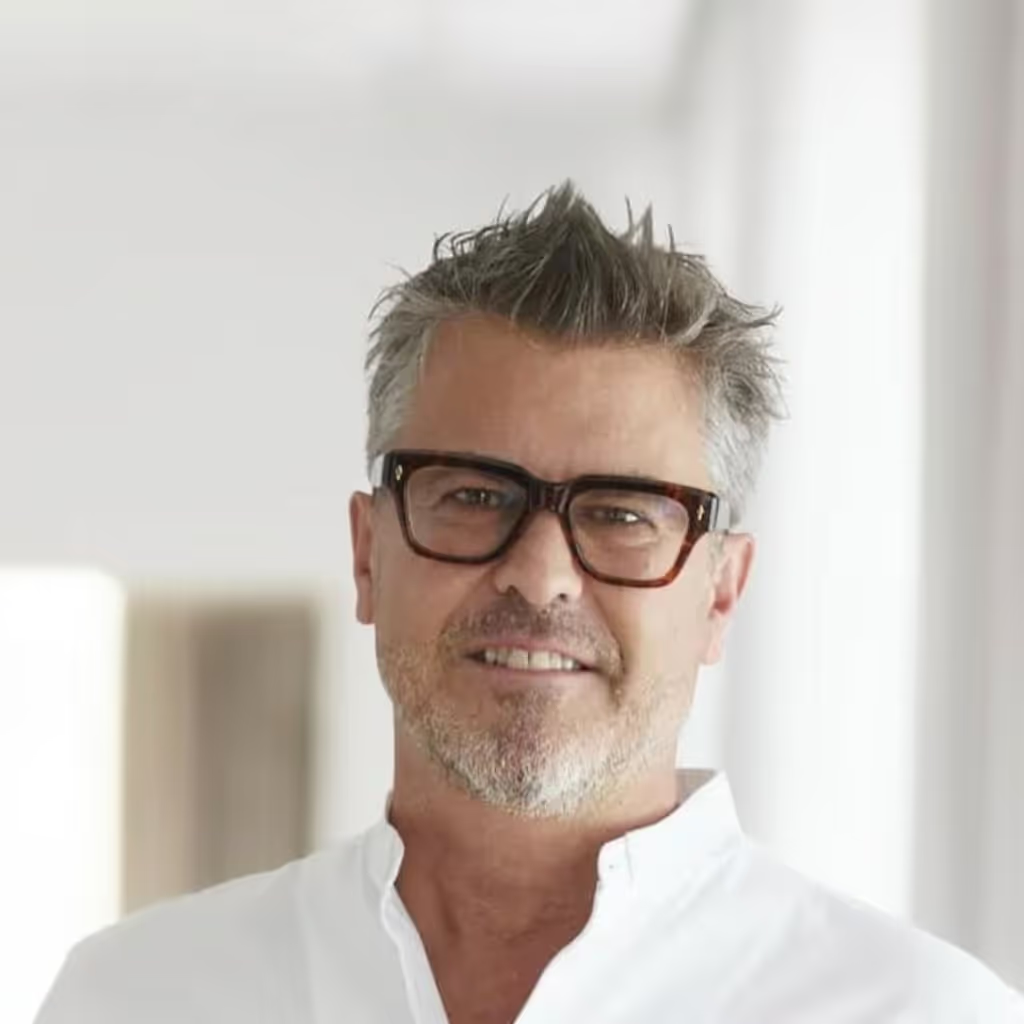
Dr. med. Christian Niehus, FMH-Facharzt bei Māra in Zürich

Dr. med. Christian Niehus FMH

Medical director / FMH specialist in surgery
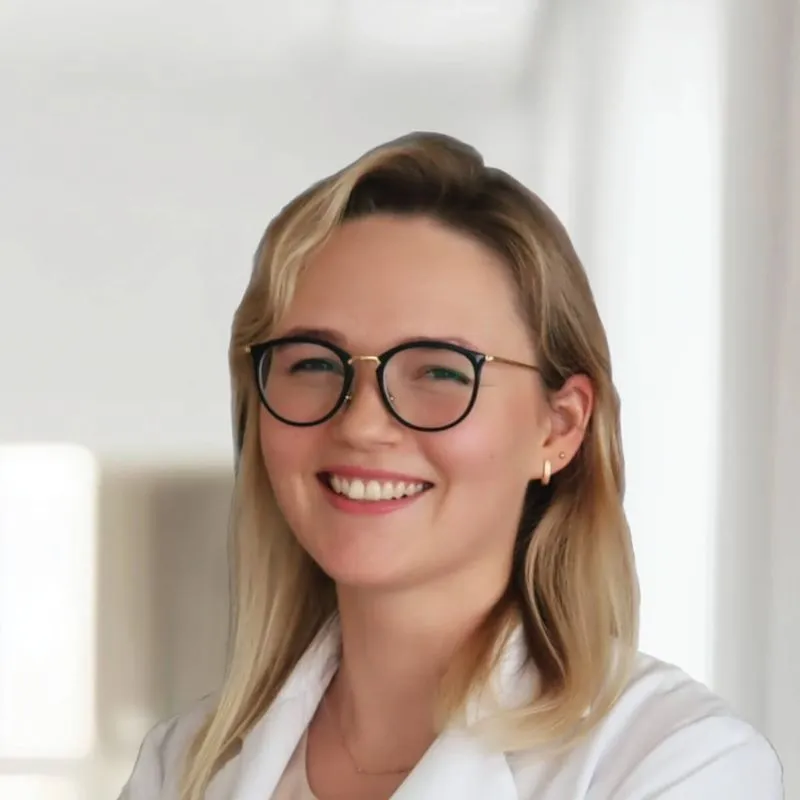
Behandlerin aus dem Māra Team in der Praxis in Zürich

Dr. med. (LT) Juste Baksanskaite

Integrative Doctor & Hair Specialist
Dr. med. (BG) Mohammed El Samara, Arzt der Māra Haarklinik

Dr. med. (HU) Constantin Feller

Doctor specialised in hair regeneration
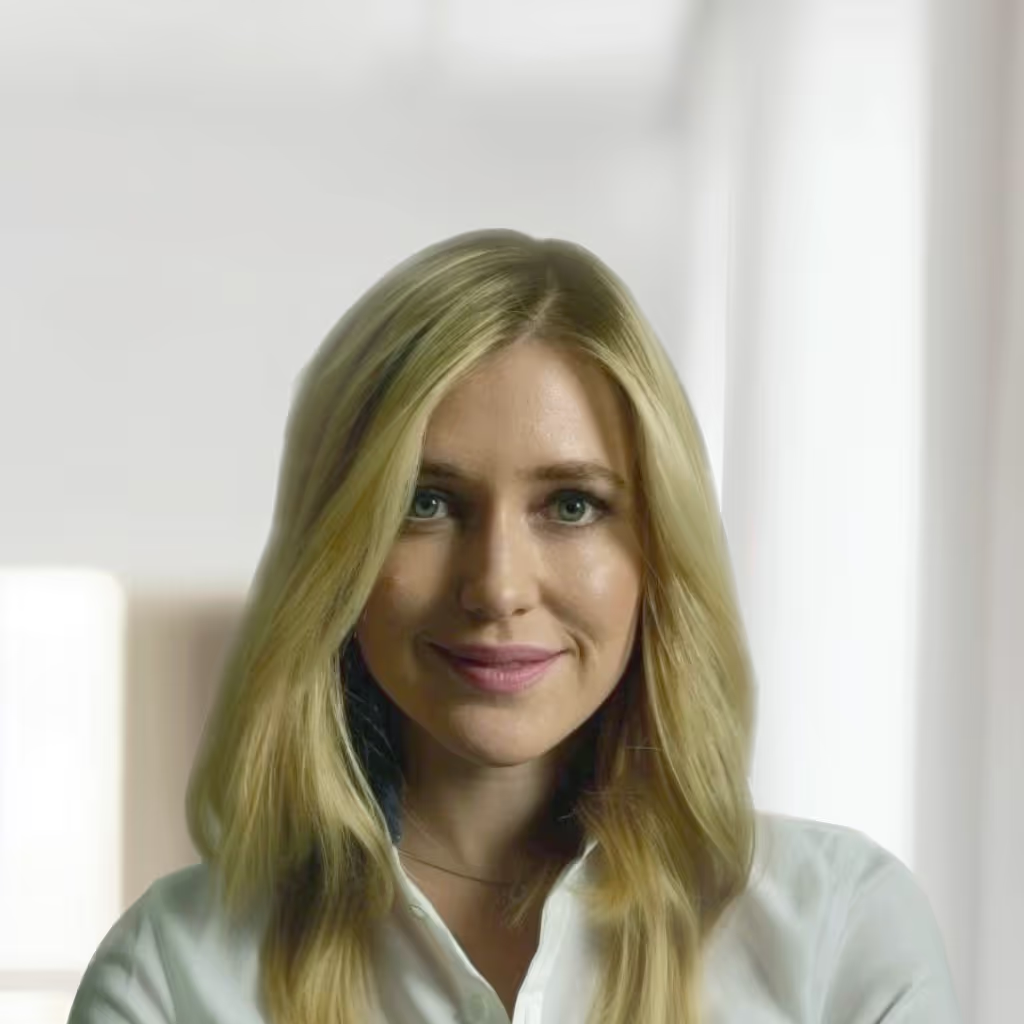
Kristina Weissenbach aus dem Māra Team in Zürich

Kristina Weissenbach

Clinical trichologist / Medical hair therapist

The Integrated Investment

Transparent medical care

Pricing reflects a commitment to end-to-end medical responsibility. The all-inclusive restoration protocol keeps the essentials for success clear, structured, and free of hidden variables.

The Protocol Includes

Everything required for accountable restoration

Surgical Mastery: FUE performed by the specialist medical team.

Clinical Care Kit: post-operative medications and specialized scalp care.

Integrated PRP: post-operative bio-acceleration sessions to optimize results.

Nutritional Support: 6-month supply of Māra Clinical Supplements.

Medical Accountability: scheduled follow-ups and direct specialist access.

The quote is presented after medical assessment, once the graft strategy, biological preparation, and follow-up pathway are clinically defined.

Themen im Detail

Haartransplantation im Detail

Drei Fragen stellen fast alle Patientinnen und Patienten vor dem Eingriff: was der Eingriff kostet, wie die FUE-Technik im Detail arbeitet und was bei Frauen anders verläuft. Jede dieser Fragen hat bei Māra eine eigene Seite.

Beratung zur Haartransplantation in der Māra Haarklinik

Next step

Find out if a hair transplant is right for you

In our clinic in Zurich, the Māra team analyses your donor zone, hair density and blood values — the medical foundation for an honest assessment. You leave the consultation with a clear answer, a concrete plan and a transparent fixed price. No pressure, no sales pitch.

Frequently Asked Questions

Clear answers before a medical decision

Hair transplantation is a surgical and biological commitment. These questions cover the most important points patients usually need to understand before a consultation.

Am I a candidate for a hair transplant?

Am I a candidate for an FUE hair transplant?

Does an FUE hair transplant last forever?

Does health insurance cover a hair transplant in Switzerland?

Does health insurance cover a hair transplant in Switzerland?

Do I need to shave my head completely for a hair transplant?

How many grafts are needed for a hair transplant?

How many sessions are needed to achieve the desired result?

Is a hair transplant painful?

What are the risks?

What does a hair transplant cost at Māra?

What is shock loss, and is it normal?

What is the difference between FUE and FUT?

When can I exercise, go in the sun, or swim again?

When can I go back to work after a hair transplant?

When does the donor area fully heal?

When does the result look its best?

How many sessions are needed to achieve the desired result?

Do I need to shave my head completely for a hair transplant?

When can I go back to work after a hair transplant?

Is a hair transplant painful?

What is the difference between FUE and FUT?

Does health insurance cover a hair transplant in Switzerland?

Does health insurance cover a hair transplant in Switzerland?

How many grafts are needed for a hair transplant?

Am I a candidate for a hair transplant?

What does a hair transplant cost at Māra?

What are the risks?

When can I exercise, go in the sun, or swim again?

When does the result look its best?

When does the donor area fully heal?

What is shock loss, and is it normal?

Does an FUE hair transplant last forever?

Am I a candidate for an FUE hair transplant?