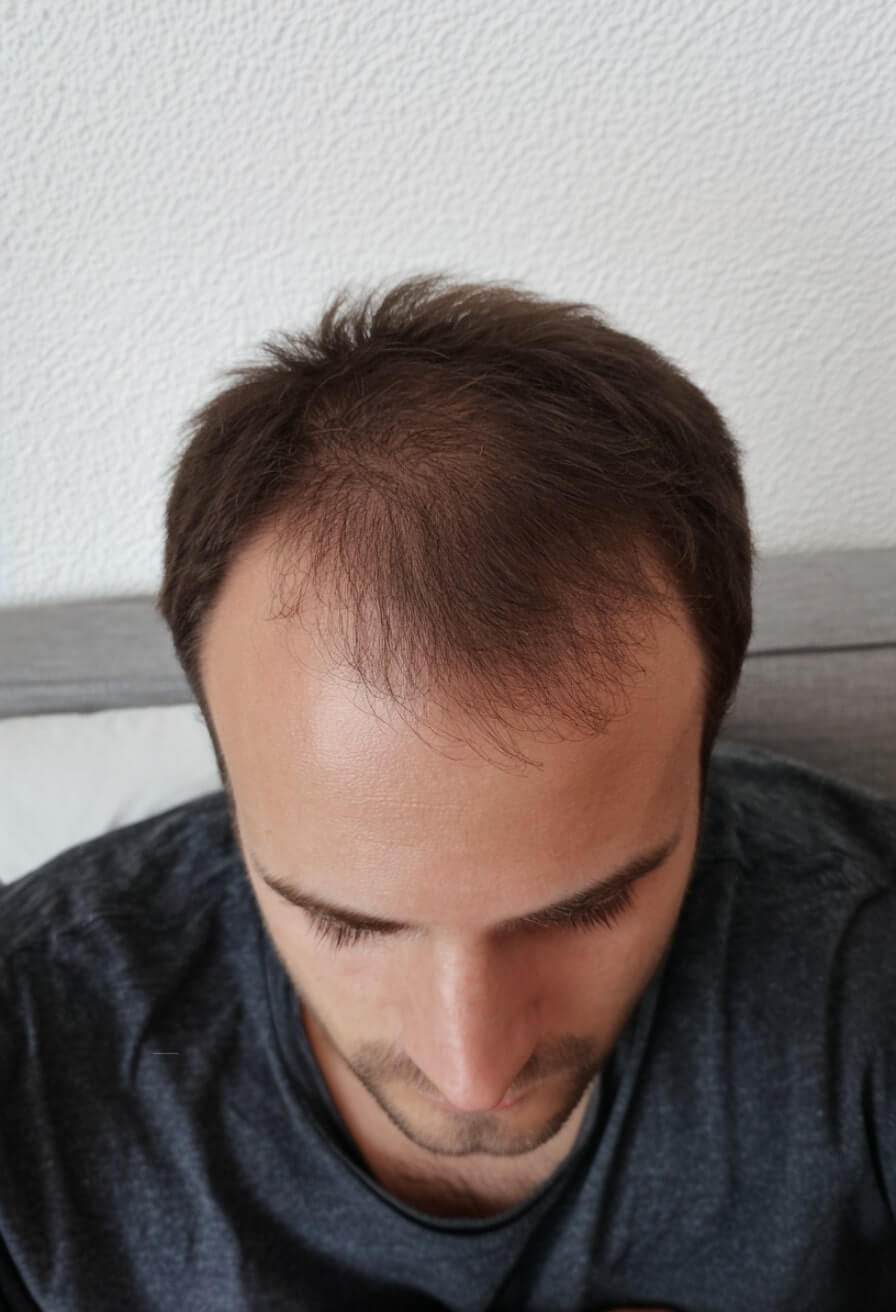
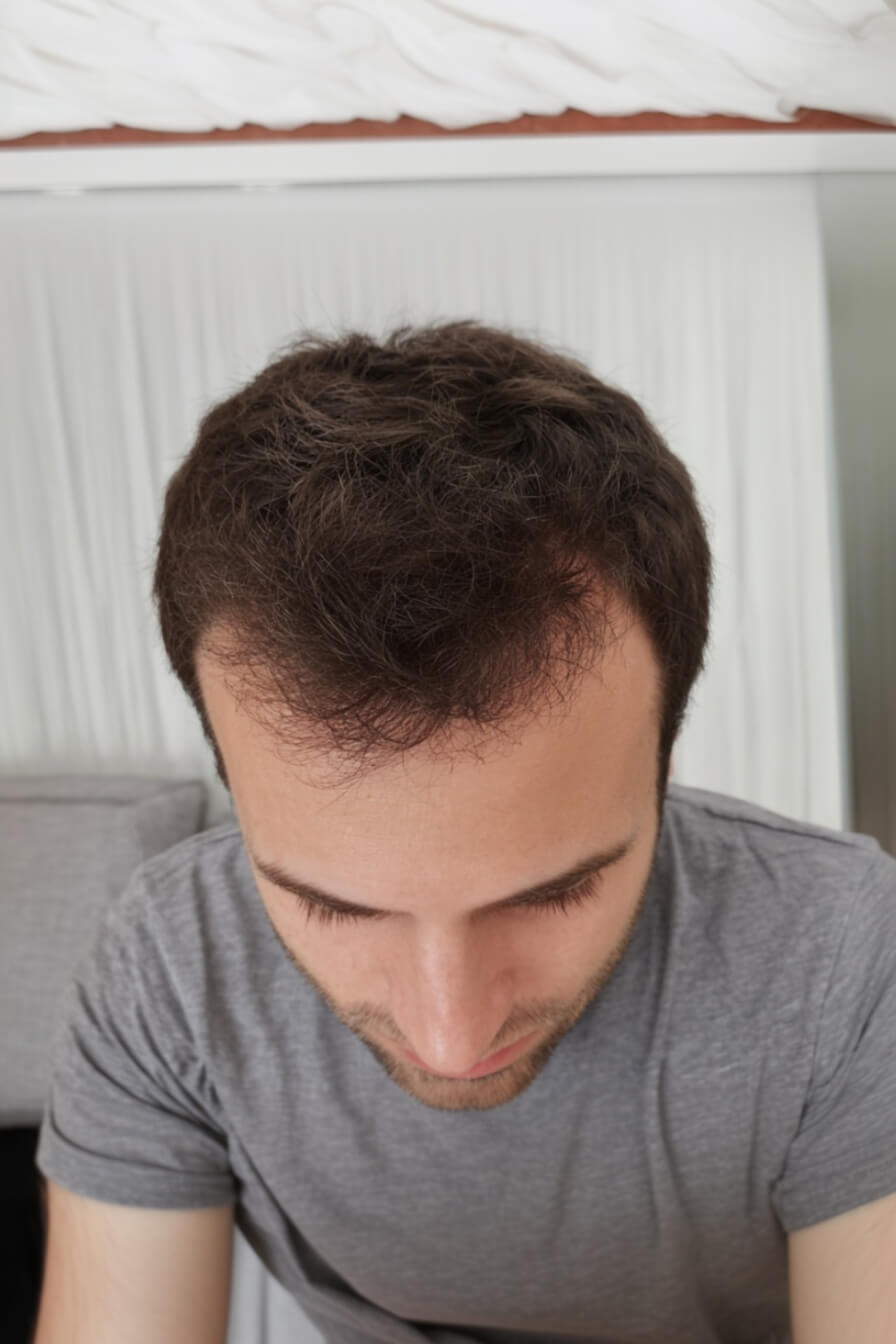
Exosomes as Natural Cellular Messengers
Exosomes act as biological messengers between cells. They transport vital information — such as proteins, lipids, and genetic material — from one cell to another, enabling intercellular communication and regulating key biological processes within the body. These microscopic vesicles are produced and released by nearly all cell types, including lymphocytes, mast cells, dendritic cells, platelets, and neurons. Exosomes are formed through a complex process involving the inward folding of the cell membrane (endocytosis) and subsequent release (exocytosis). In medical applications, exosomes are often derived from mesenchymal stem cells and contain a wide range of bioactive molecules.
How They Affect Hair Follicles
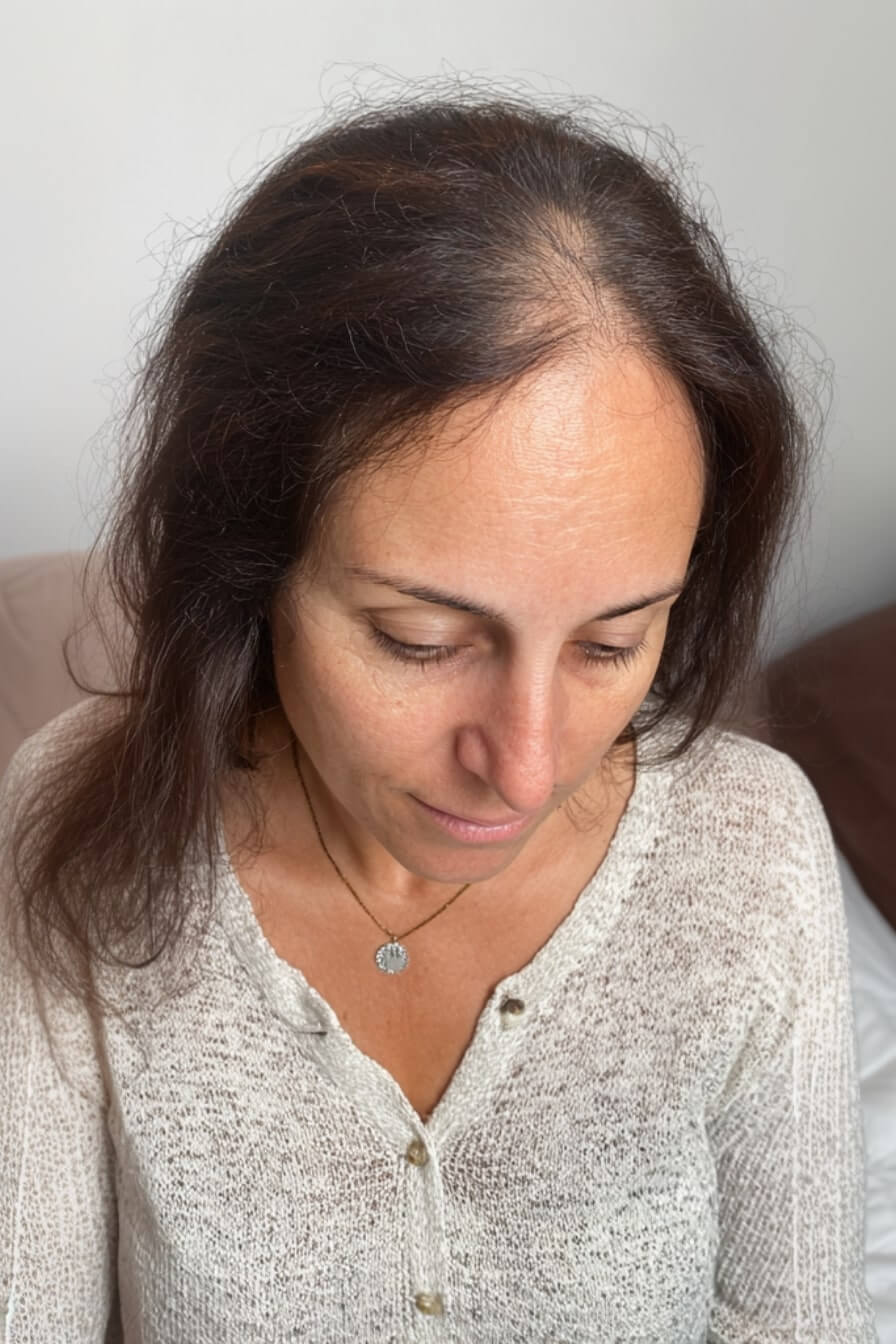
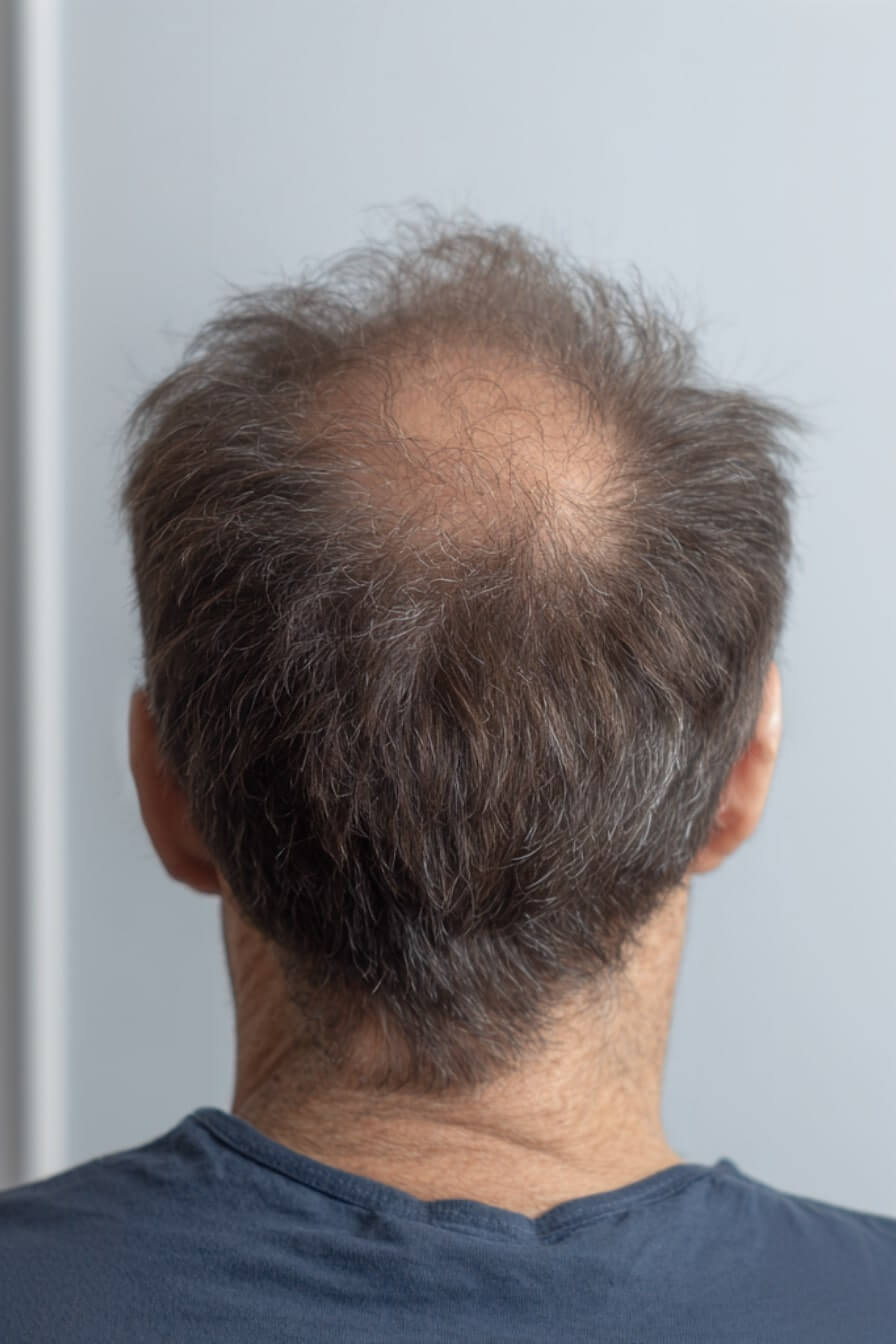
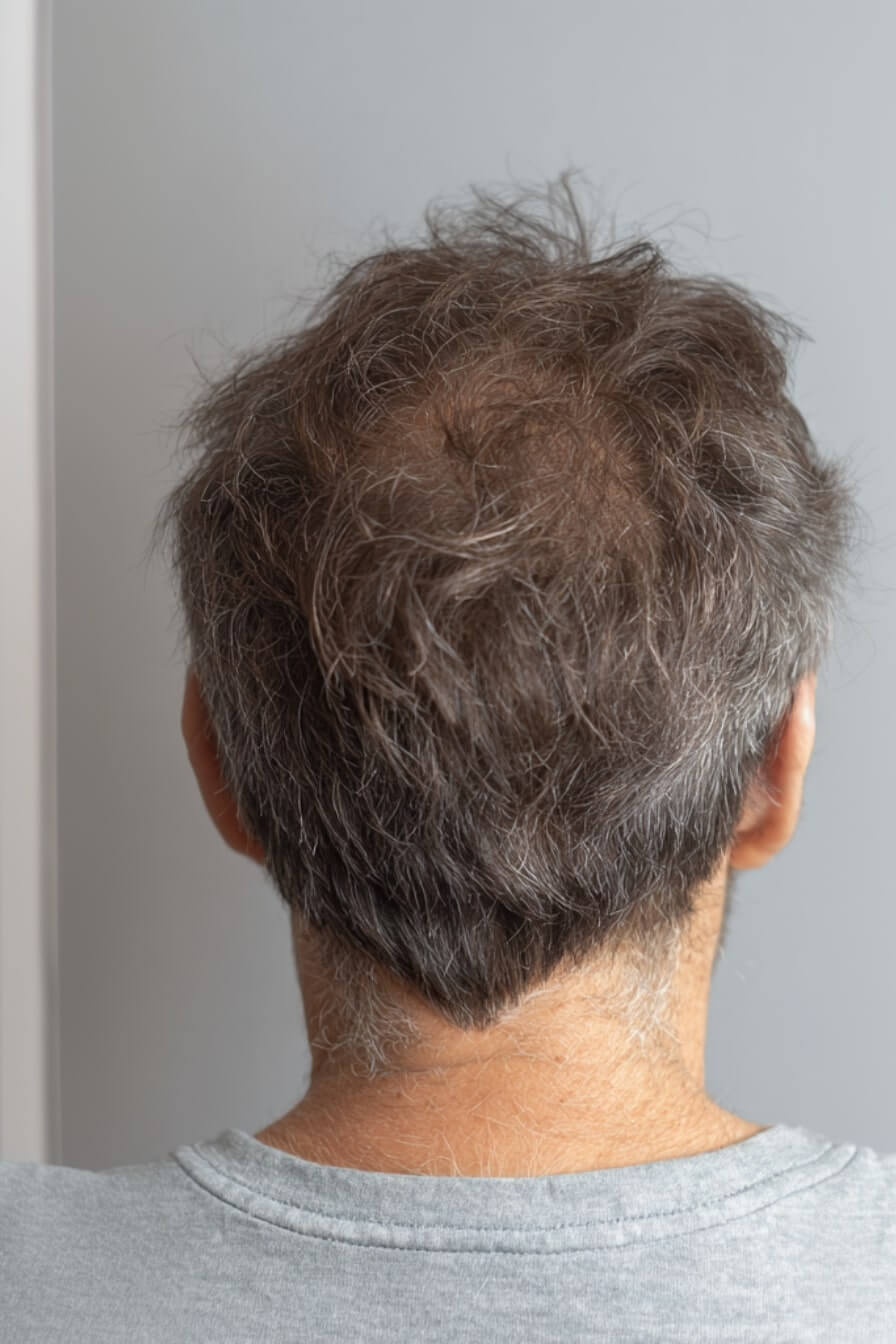
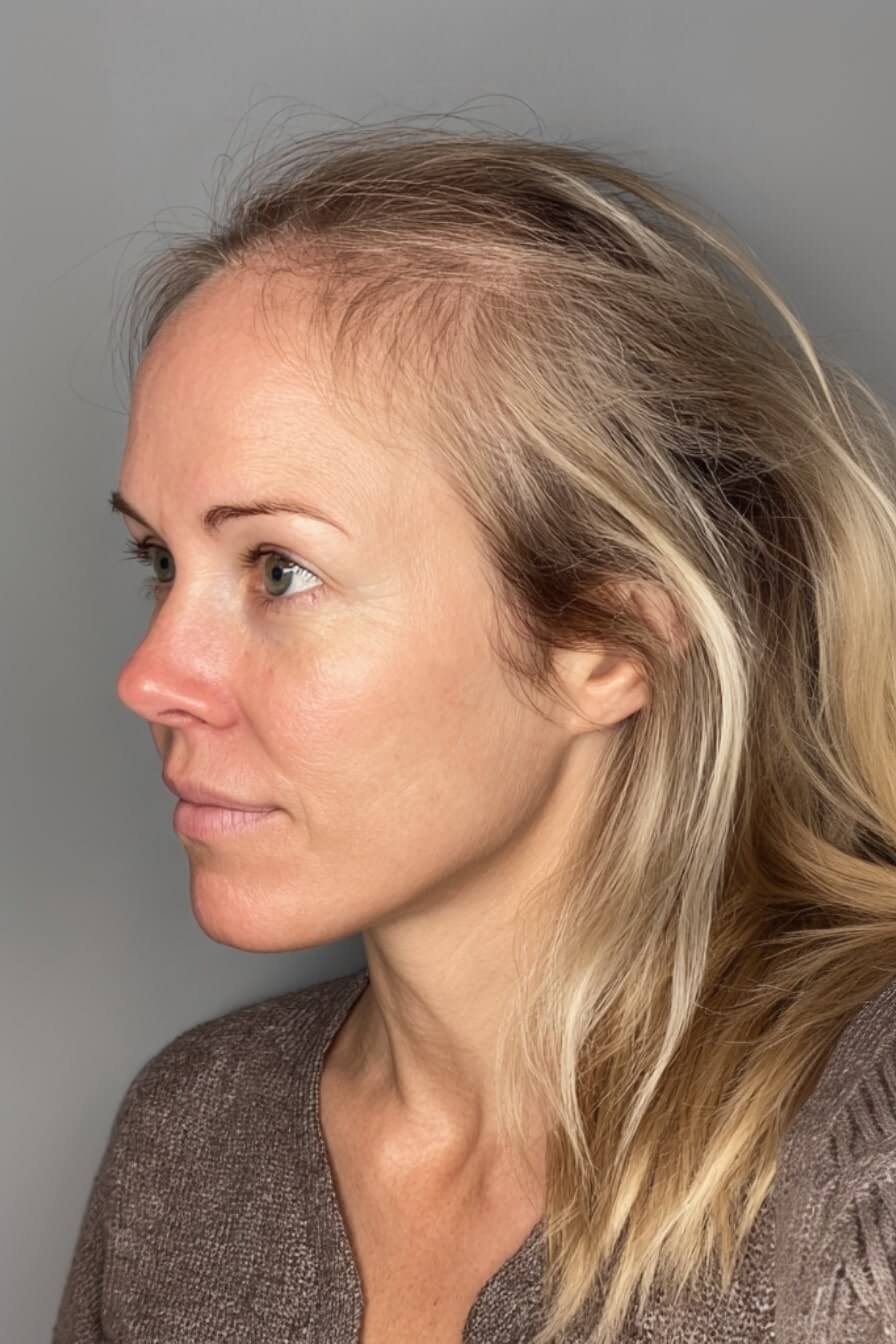
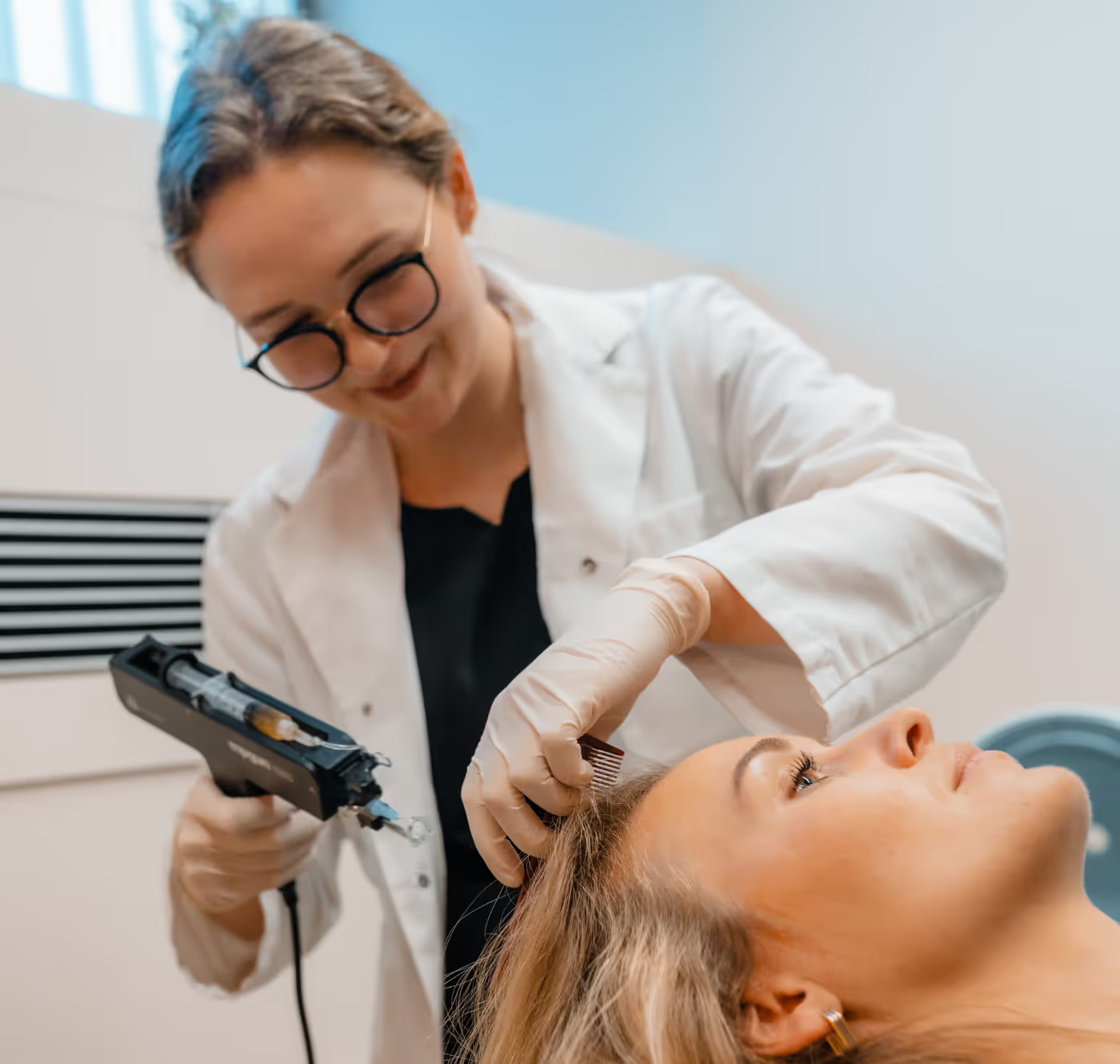
In the context of hair loss, exosomes act directly on hair follicles and their surrounding environment. Once injected into the scalp, they provide multiple beneficial effects:
- Activation of dormant hair follicles
- Improvement of microcirculation in the scalp
- Anti-inflammatory action
- Promotion of cell regeneration around the hair root
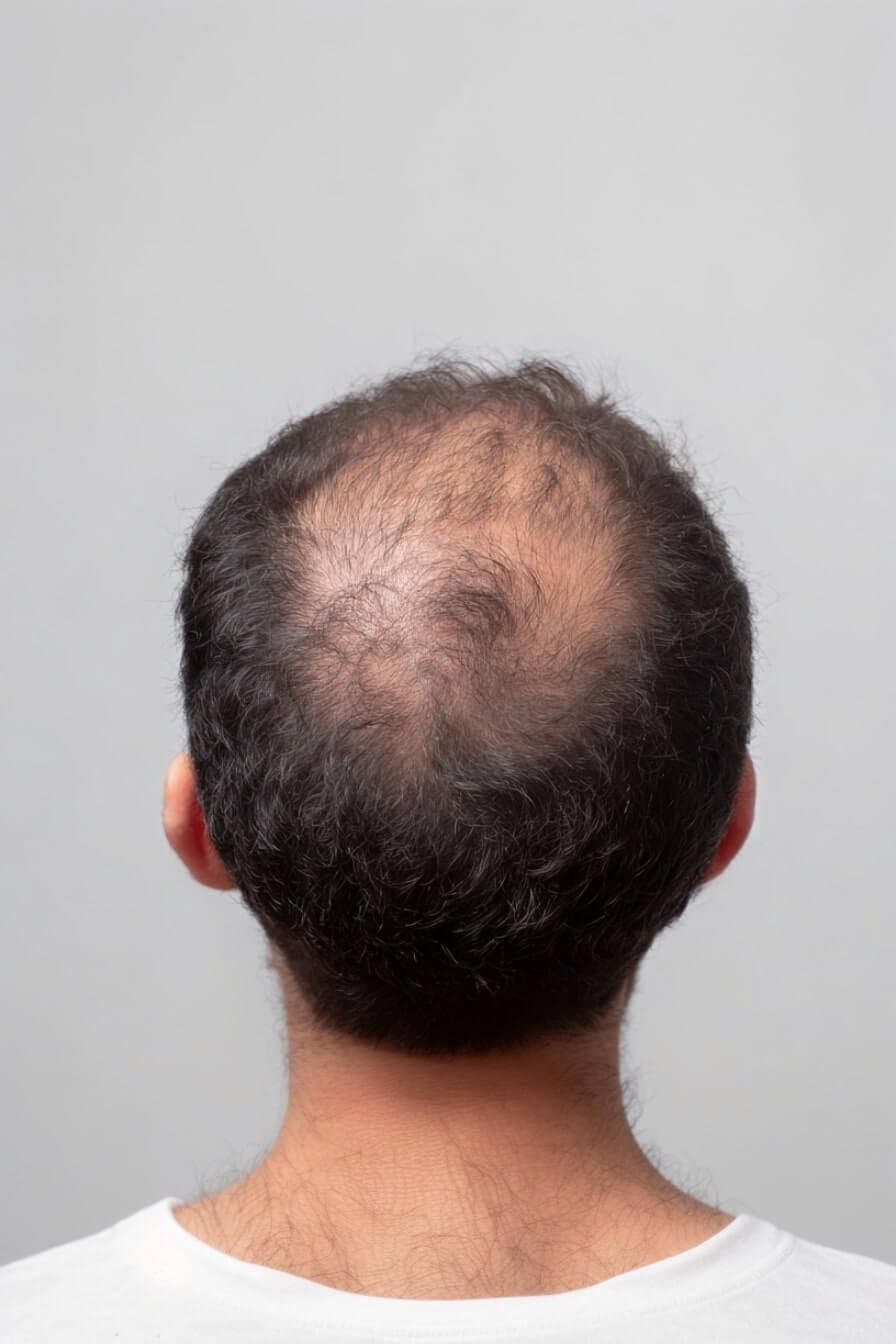
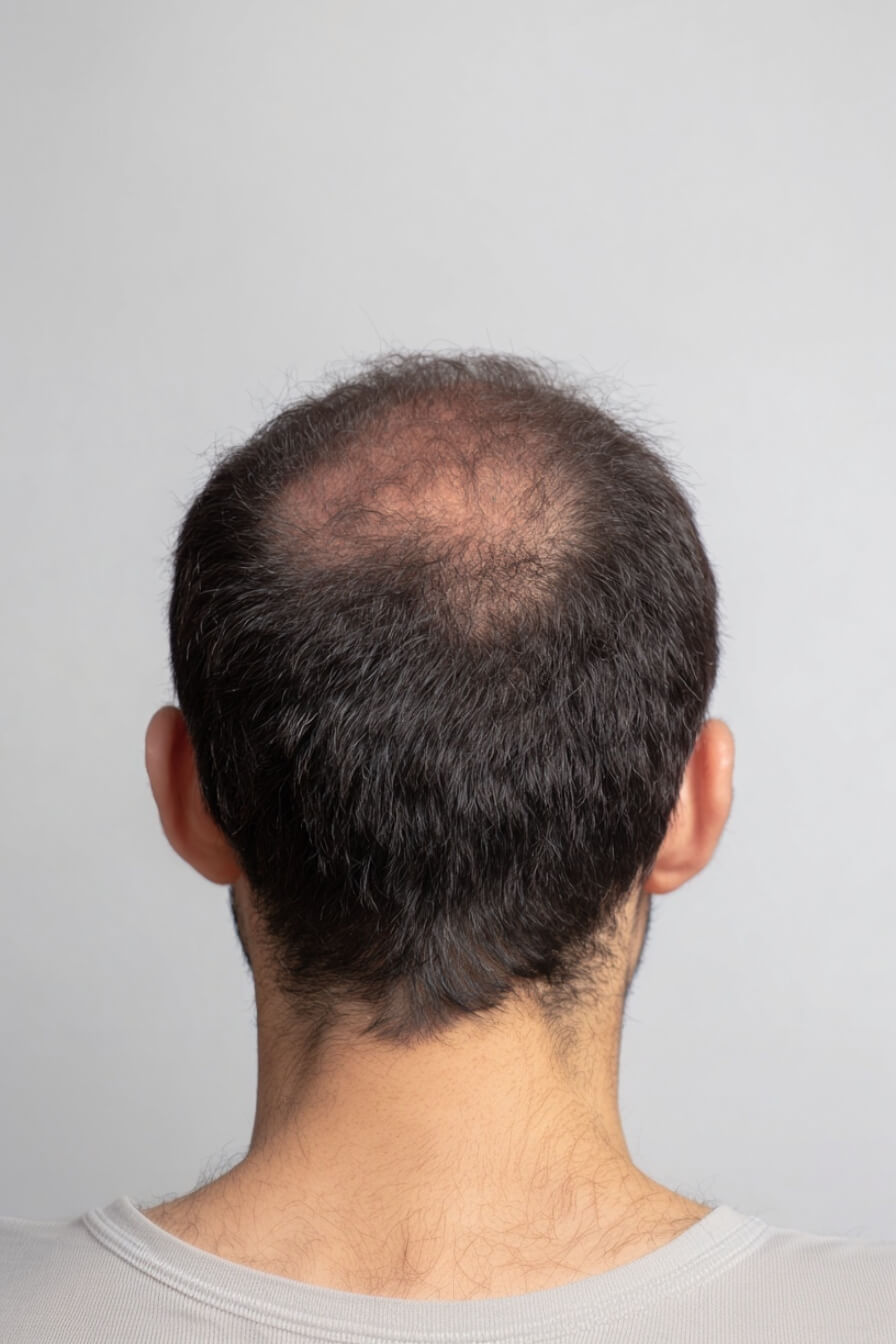
Exosomes transmit anti-inflammatory signals, stimulate cellular repair, and enhance scalp blood flow. This therapy is particularly effective for diffuse hair loss, early-stage androgenetic alopecia, or weakened hair structure.









.png)
.png)