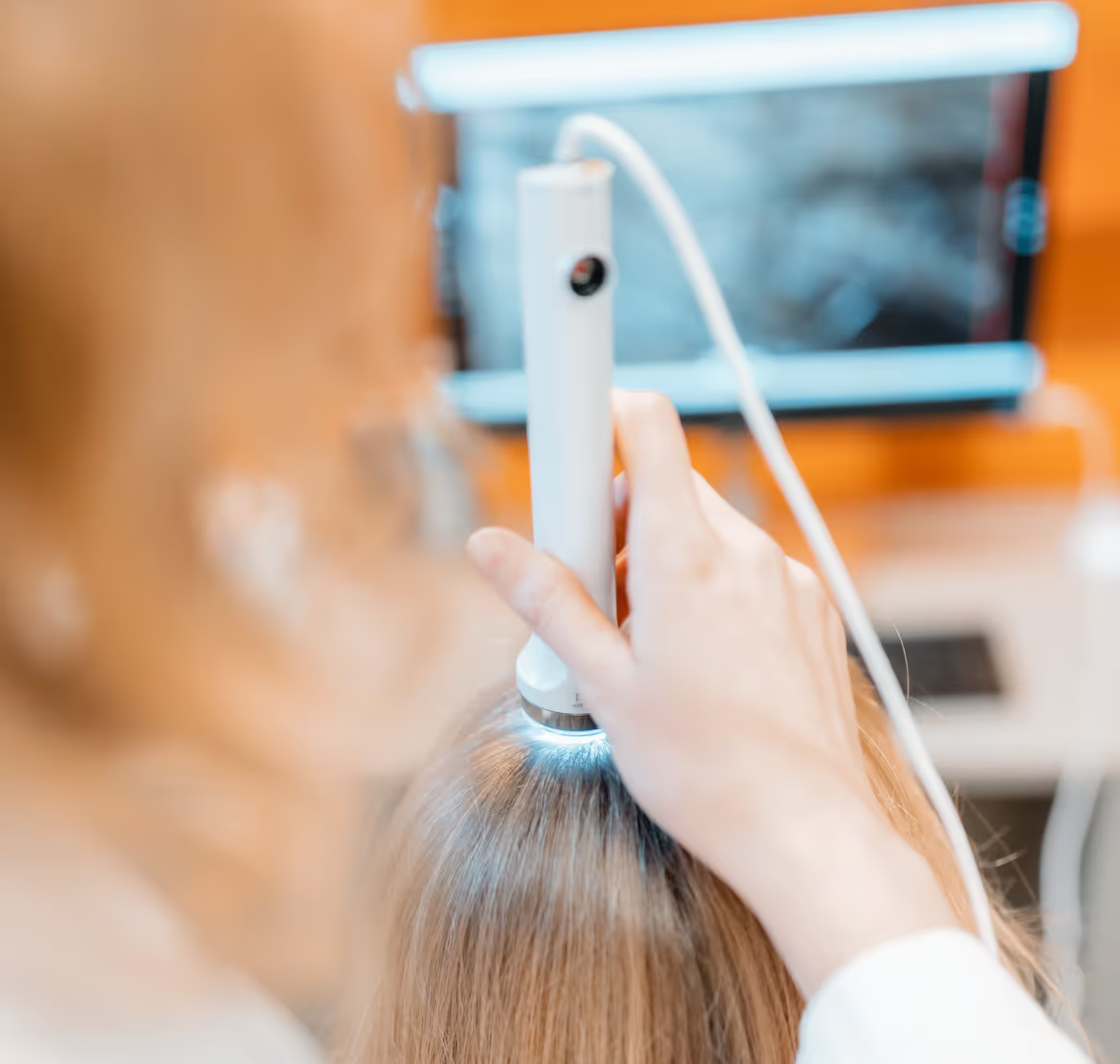
The process of a PRP treatment in Zurich follows a structured medical procedure consisting of several consecutive steps. The treatment is carried out by specialist physicians and utilizes advanced technologies for the extraction and application of platelet-rich plasma.
1. Blood collection and preparation
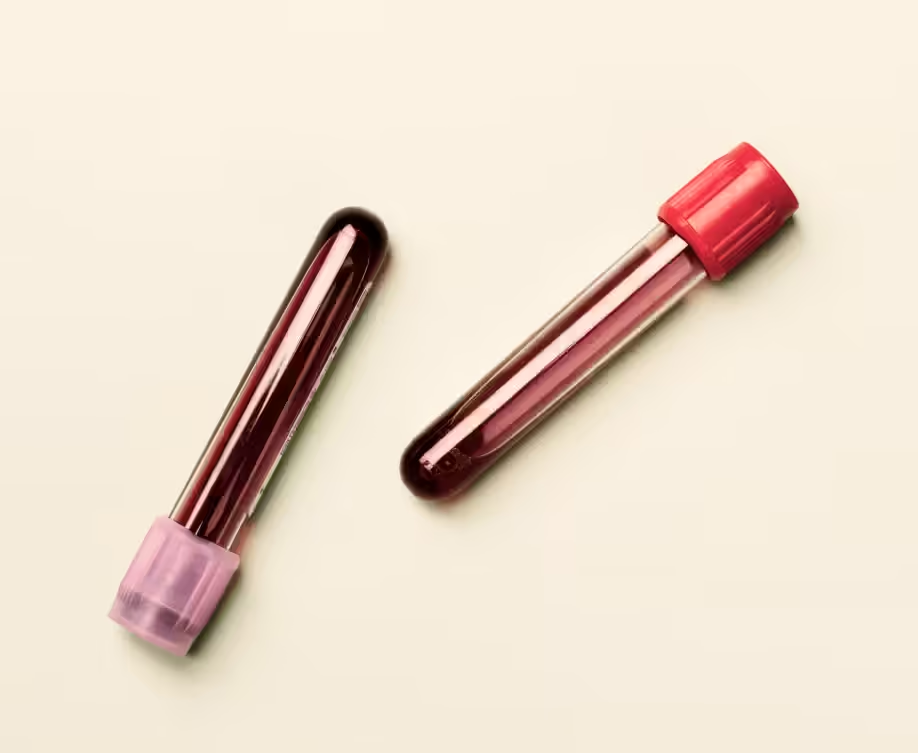
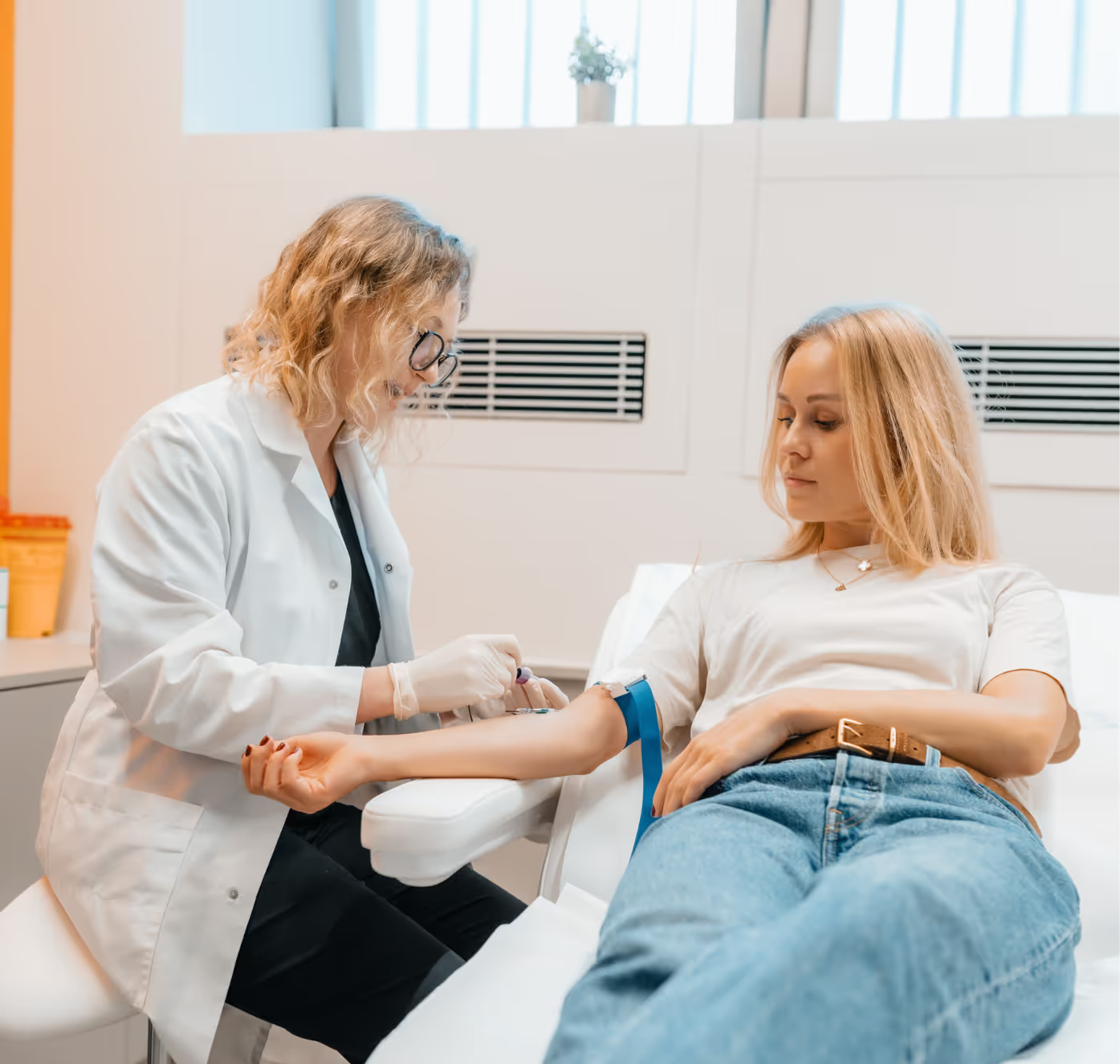
The PRP treatment begins with a blood draw, similar to a routine blood test. About 8–10 ml of blood are taken from the patient, though in some procedures the amount may vary between 10–60 ml. This is typically drawn from a vein in the arm.
The collected blood is then mixed with an anticoagulant (citrate) to prevent premature coagulation. Afterwards, the blood is placed in a special centrifuge, where it is spun for about 15–20 minutes. This centrifugation process, also known as plasmapheresis, separates the blood into its different components:
- Erythrocytes (red blood cells)
- Platelet-poor plasma (PPP)
- Platelet-rich plasma (PRP)
Through this process, a three- to sixfold higher concentration of platelets essential for wound healing is achieved. The total preparation time is approximately 15–20 minutes.
2. Injection of the plasma
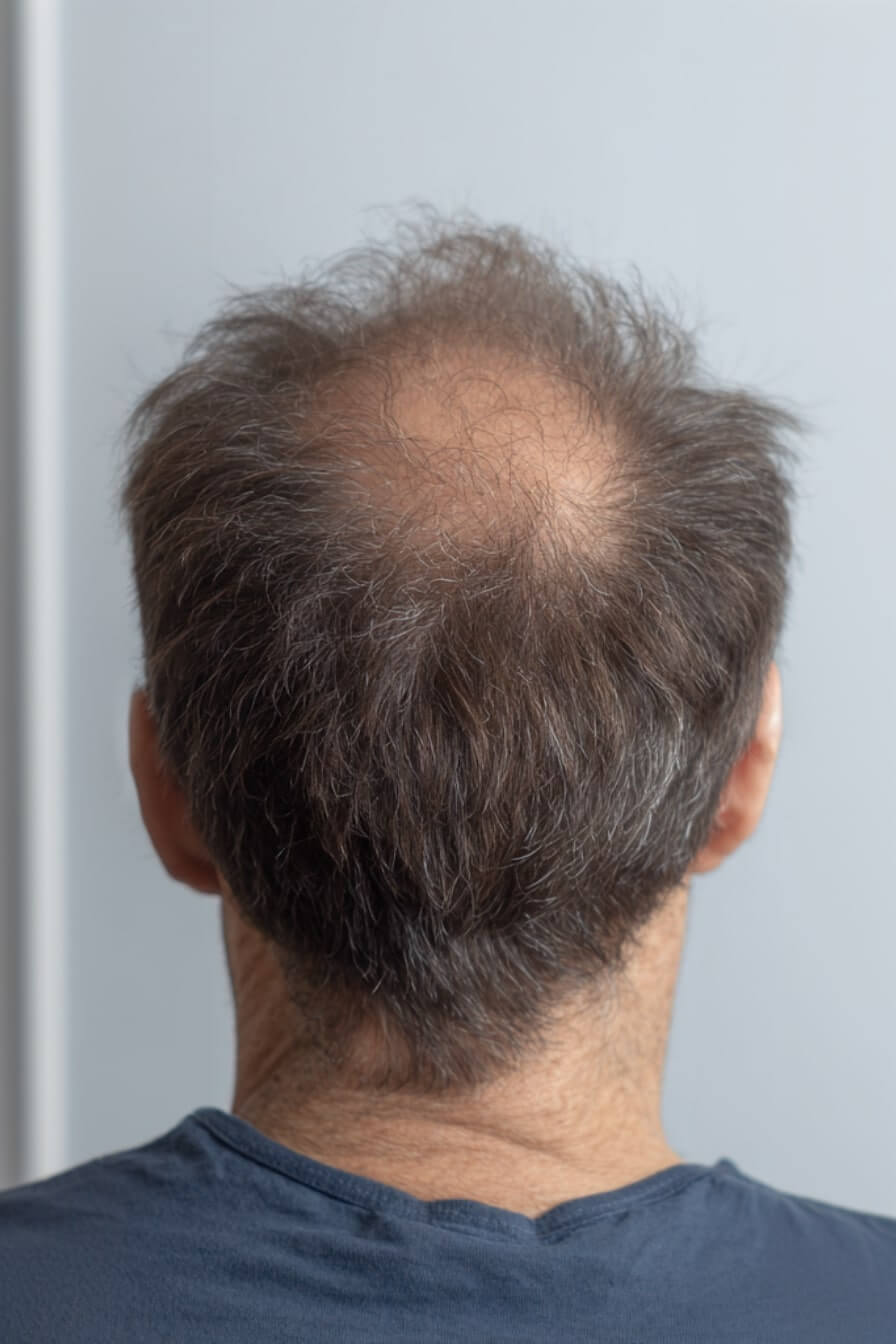
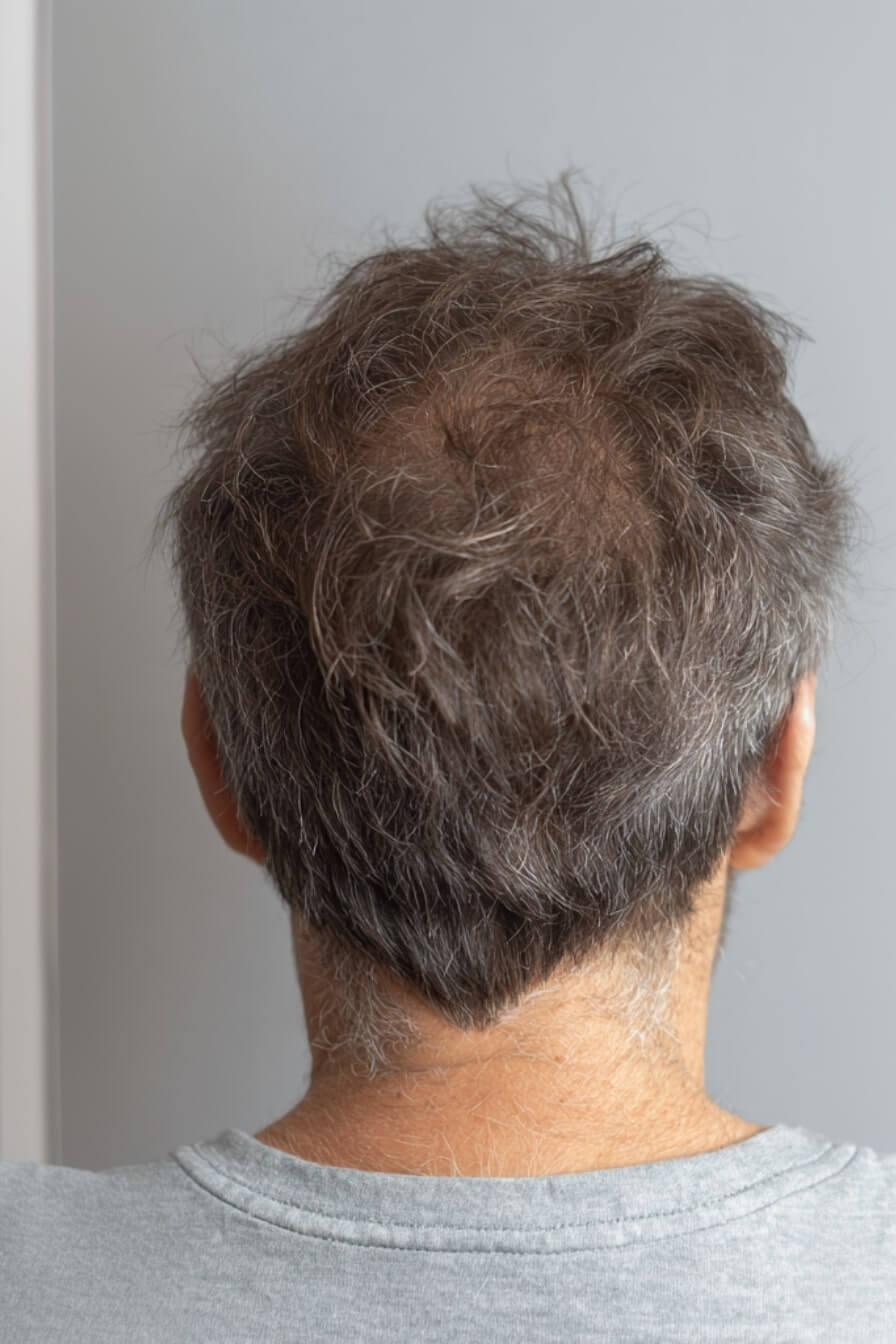
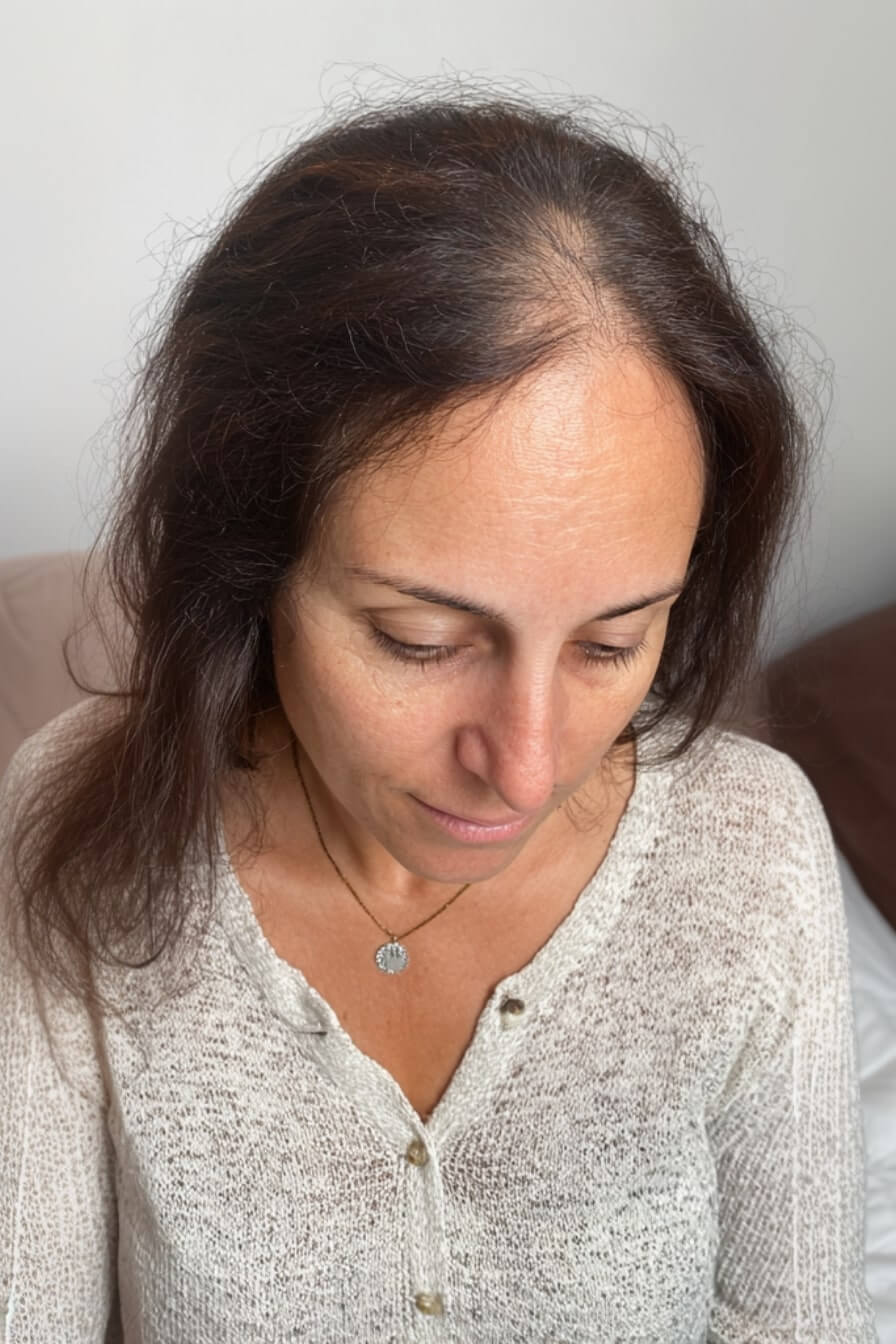
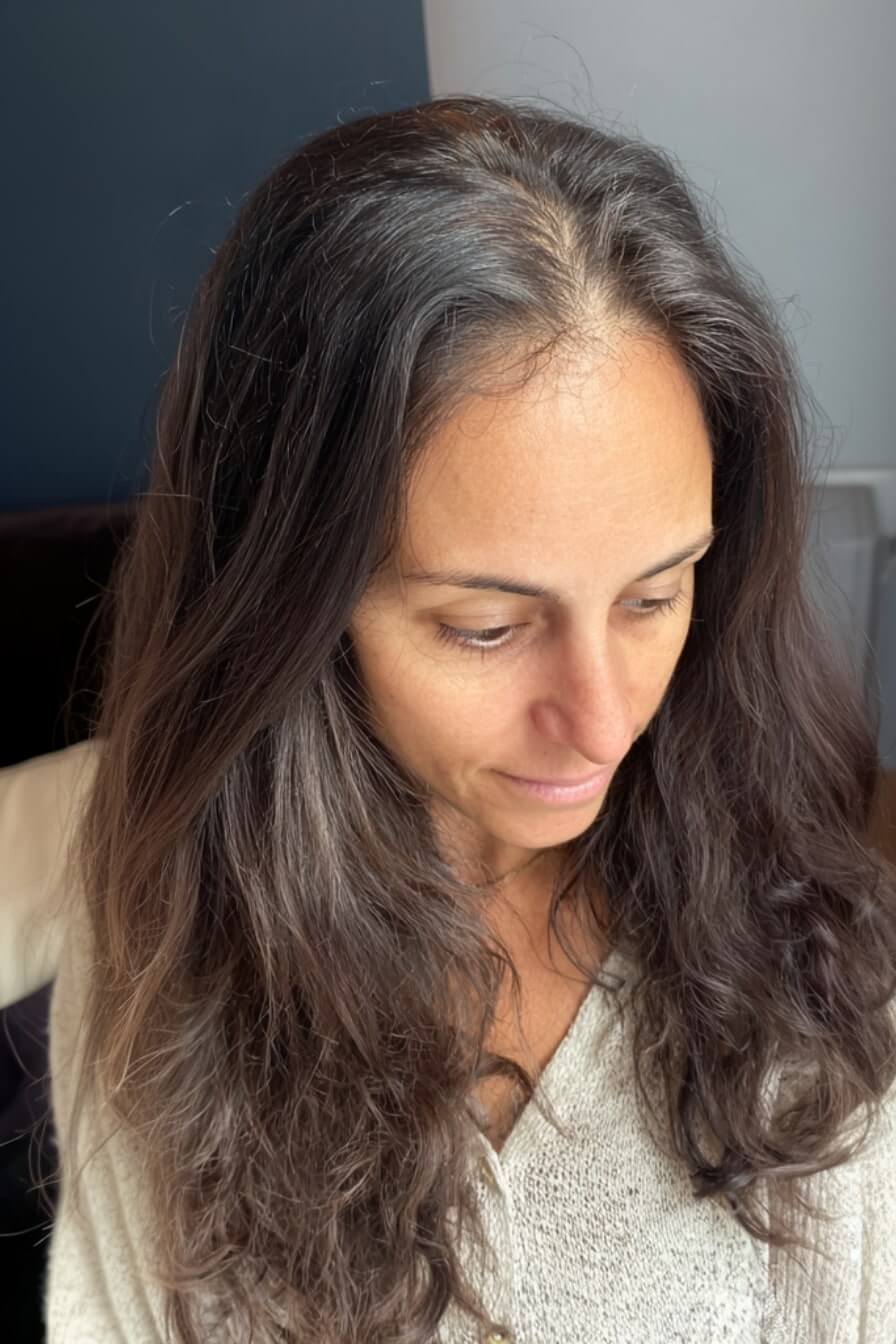
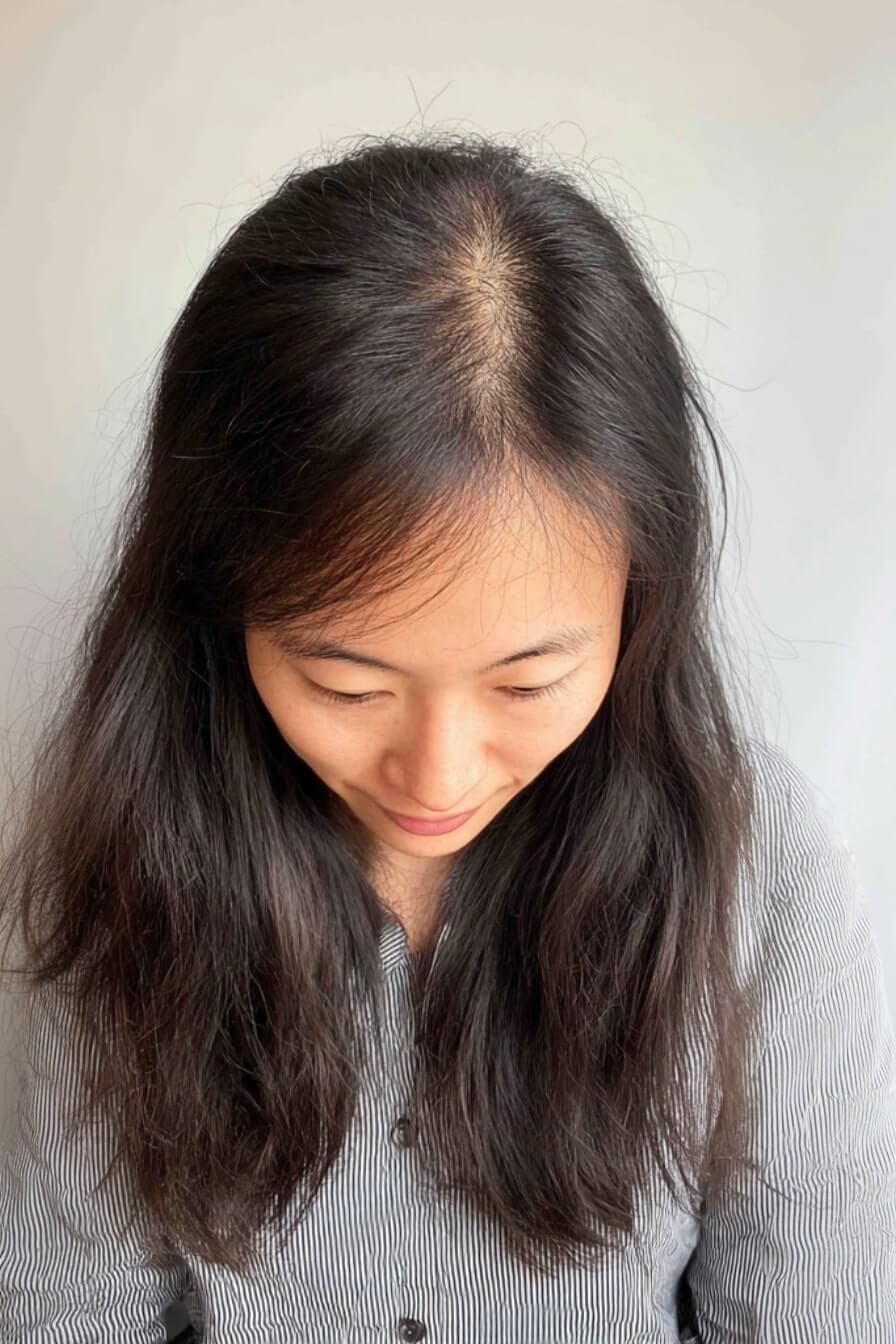
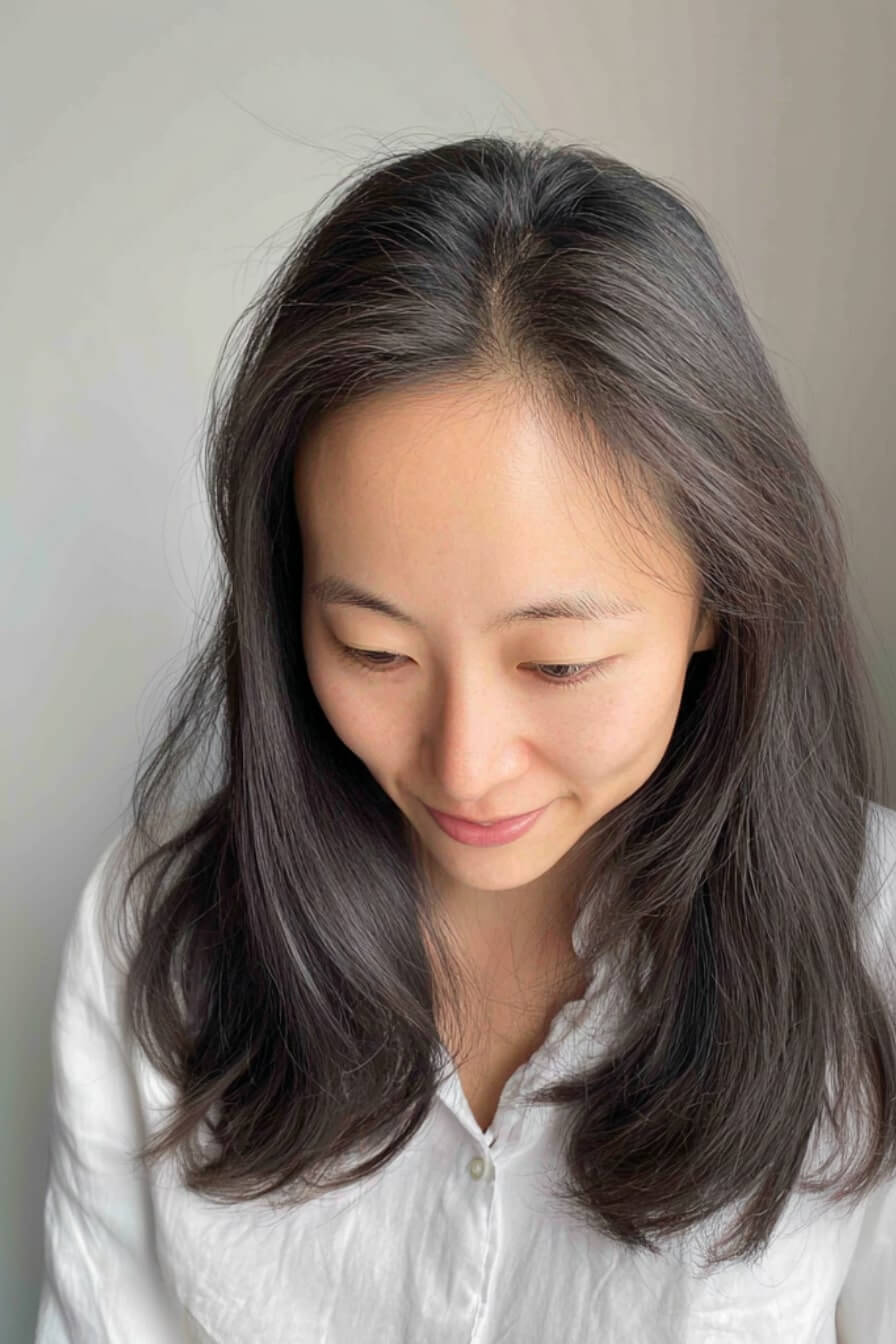
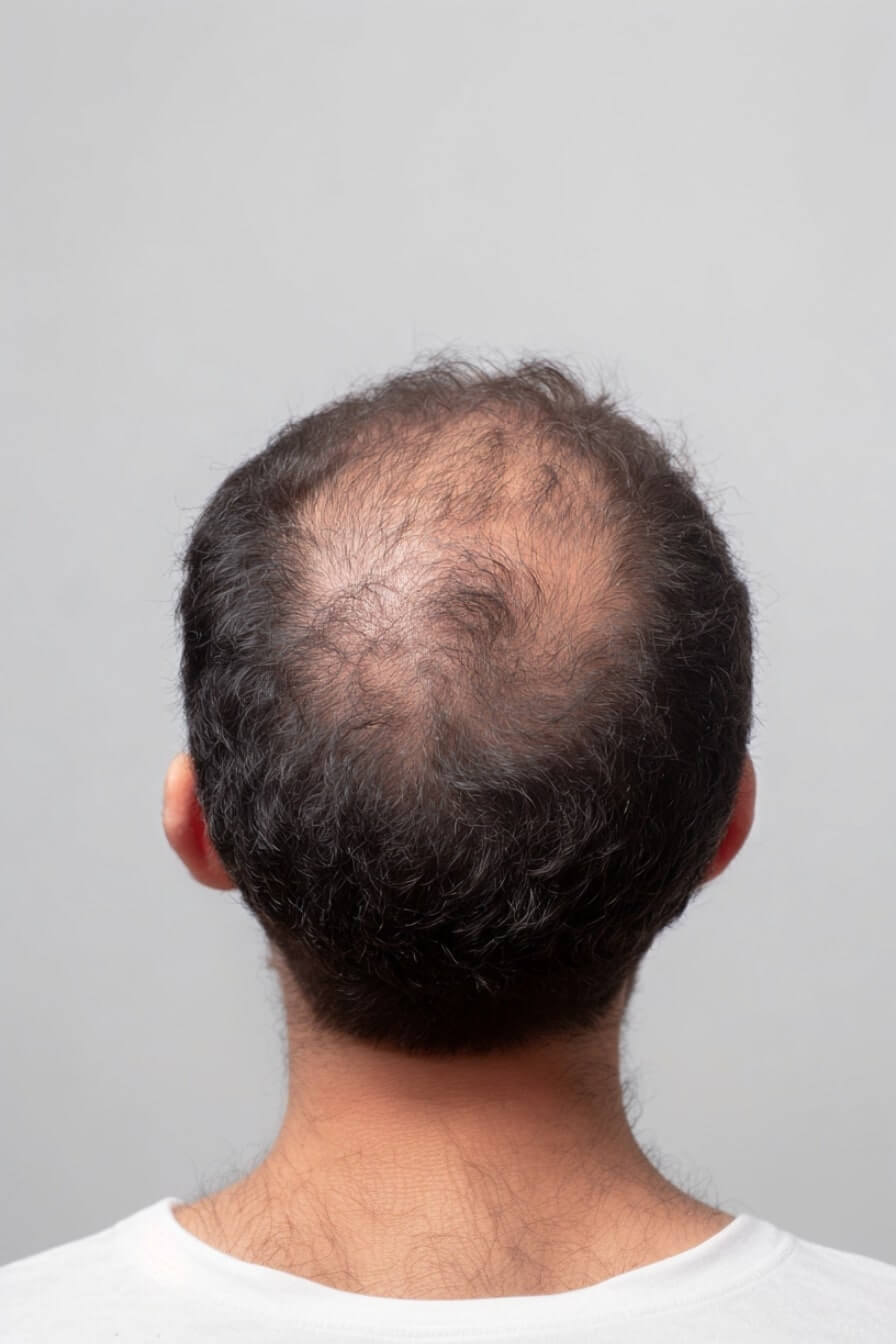
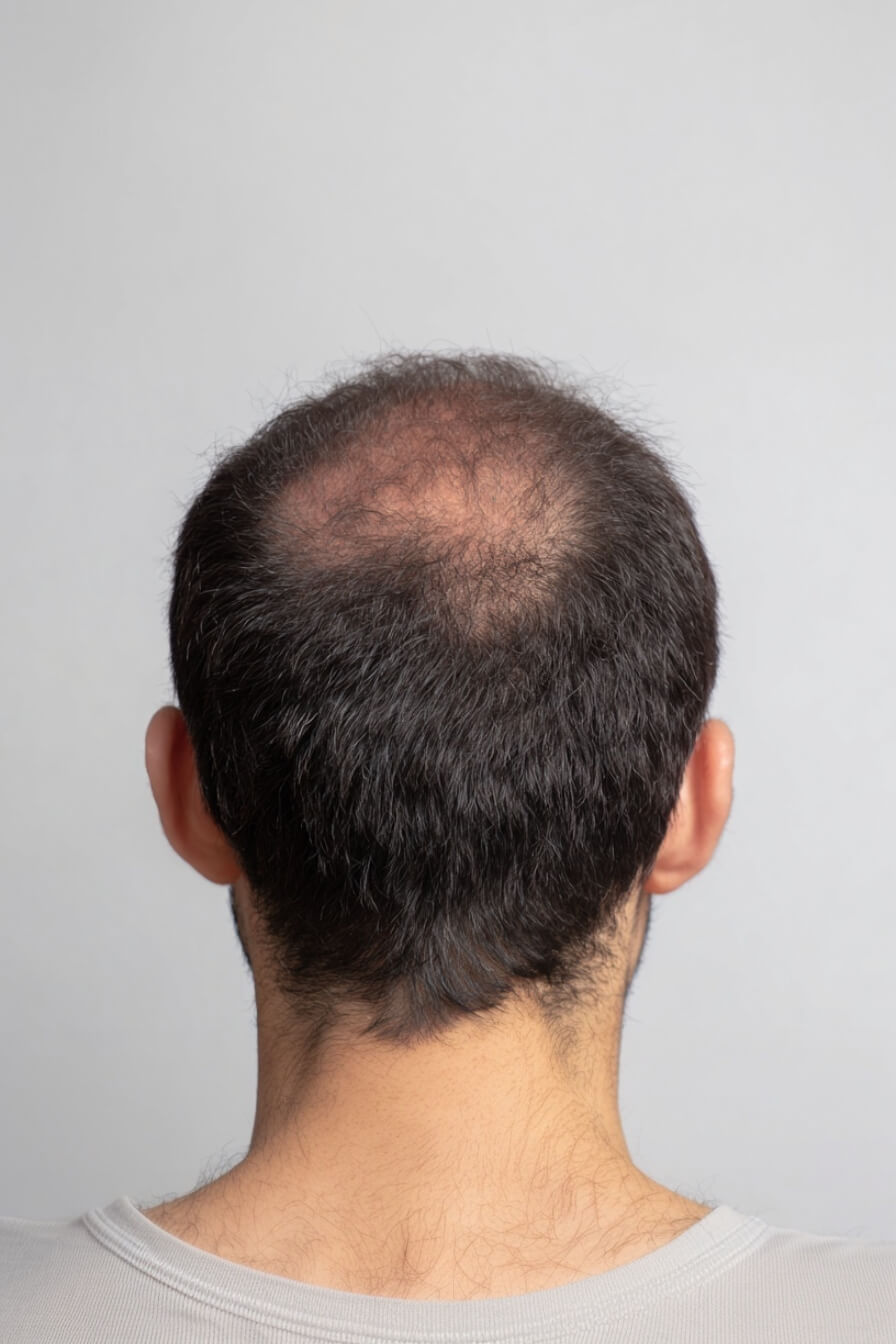
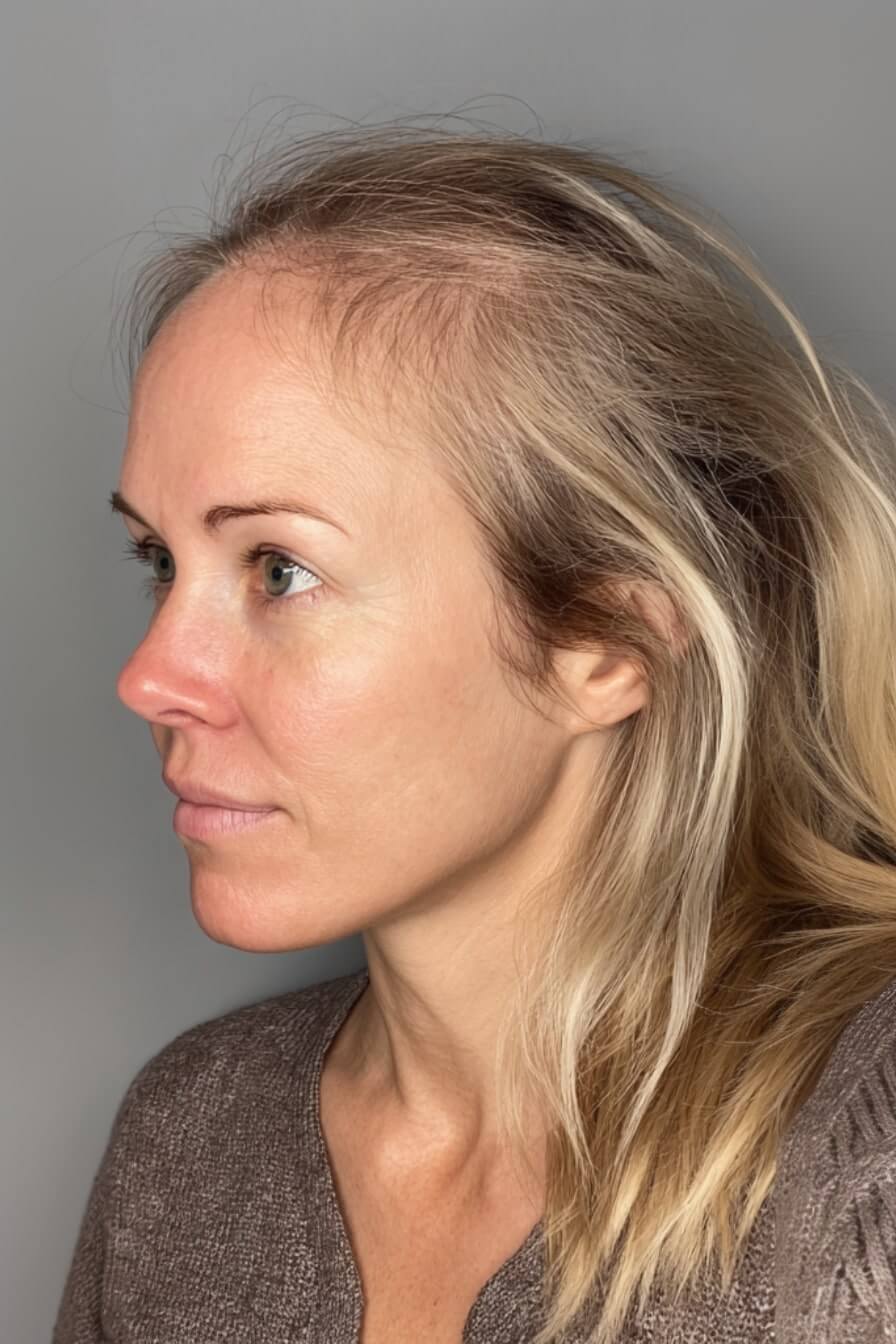
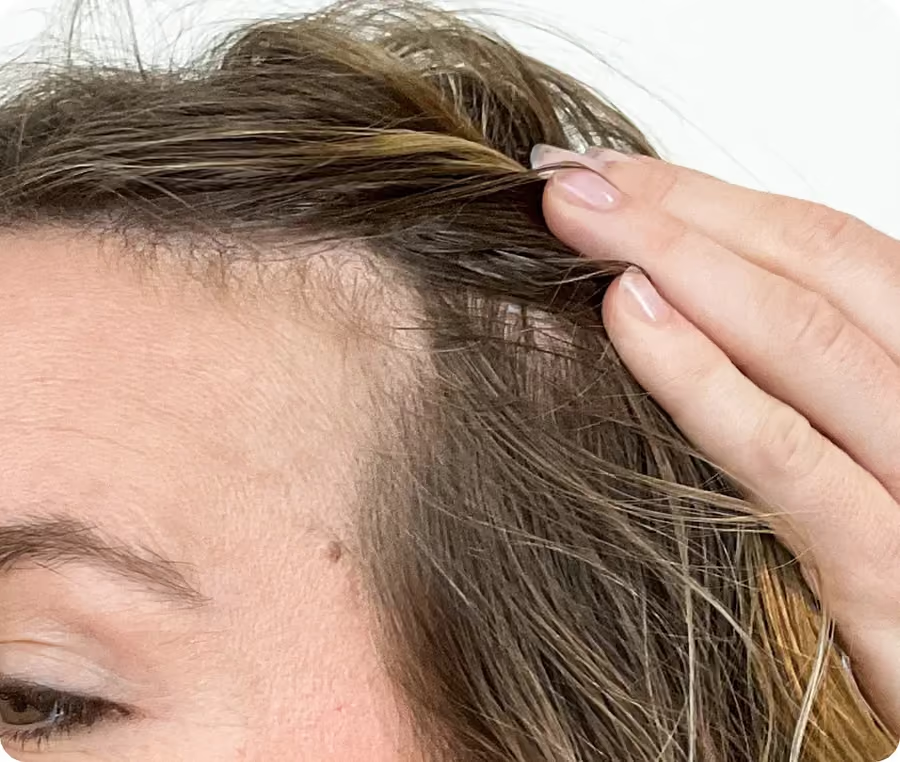
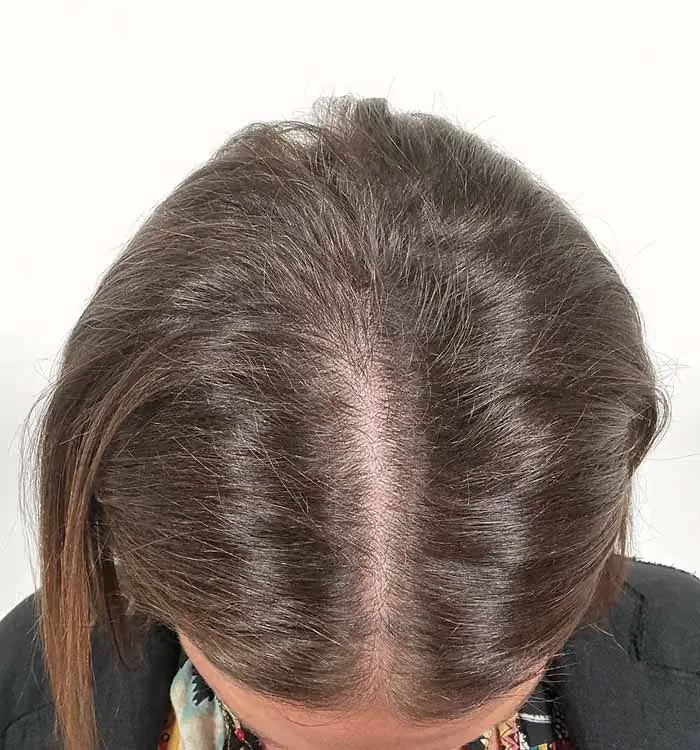
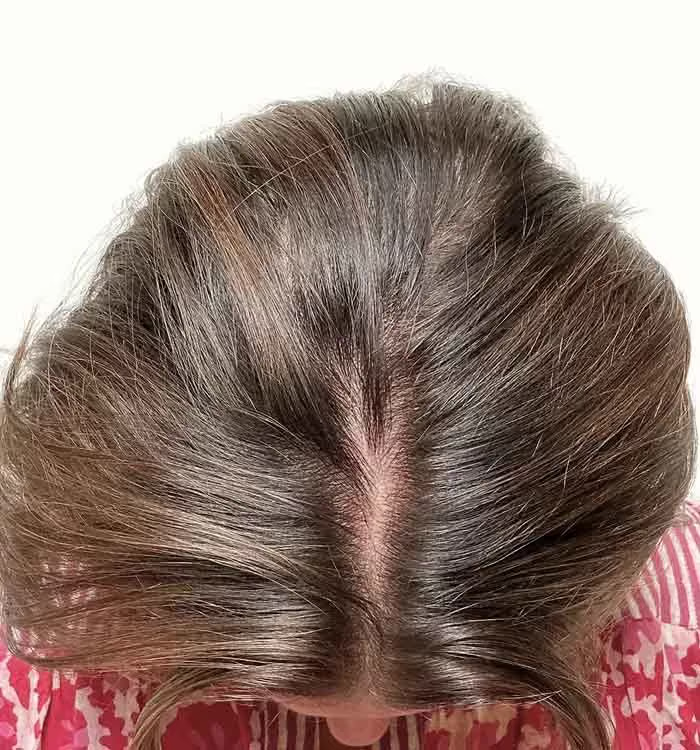
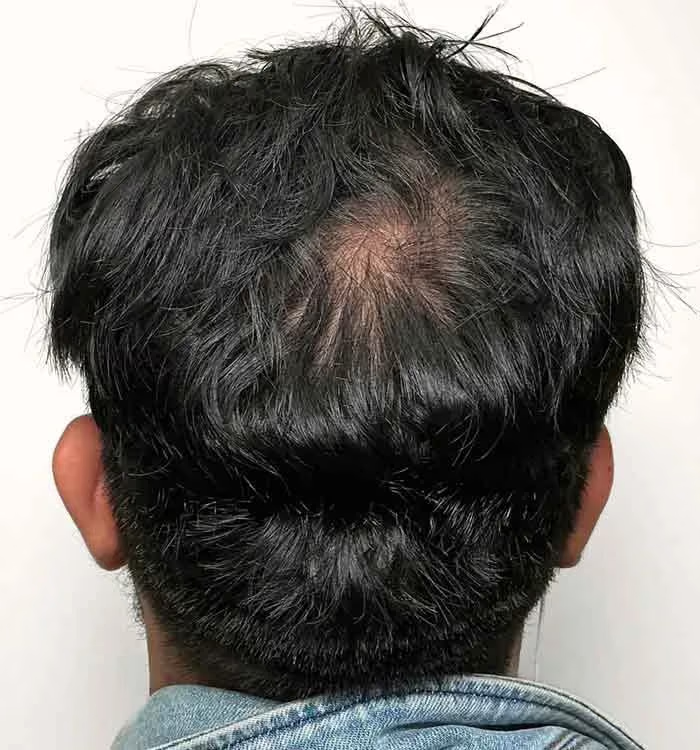
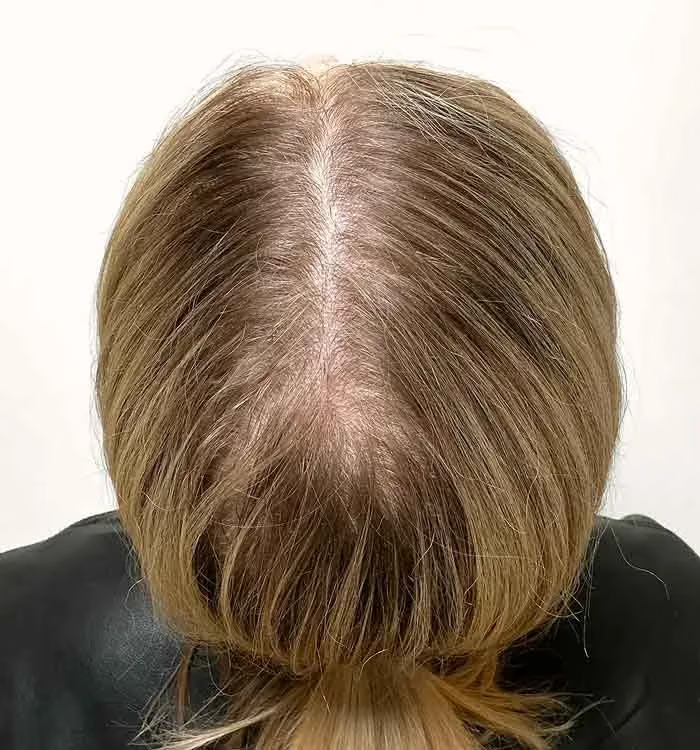
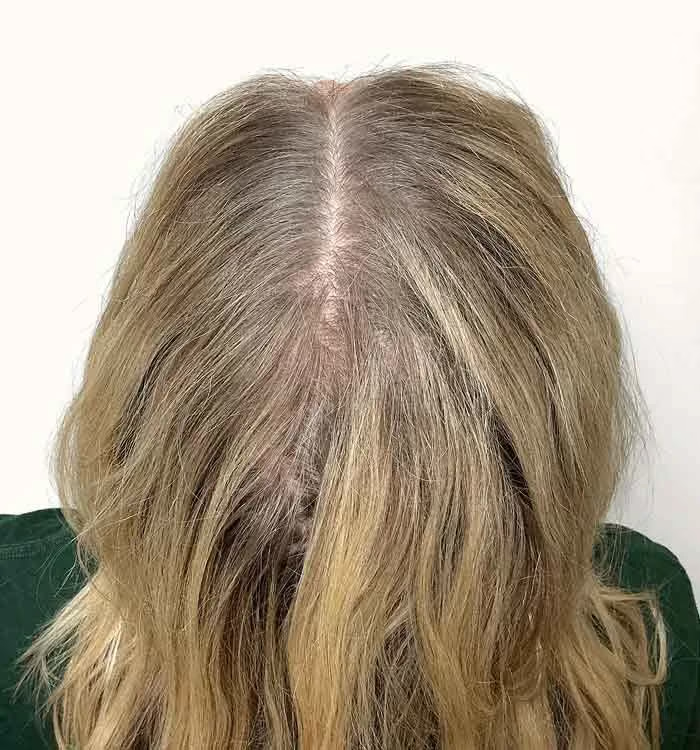
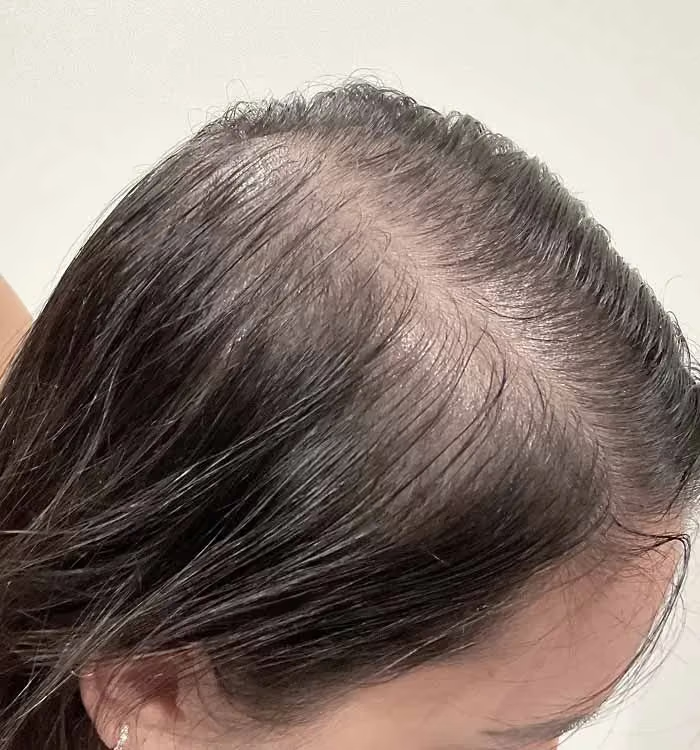
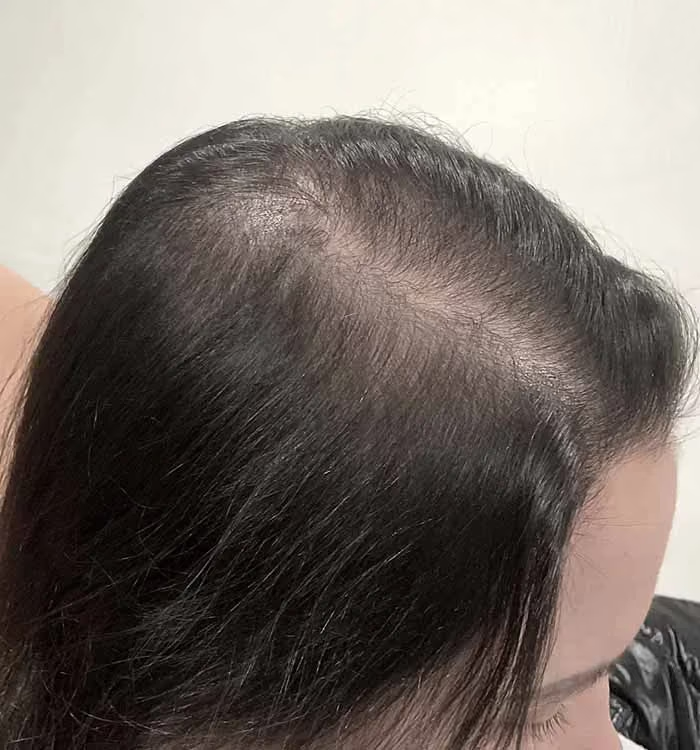
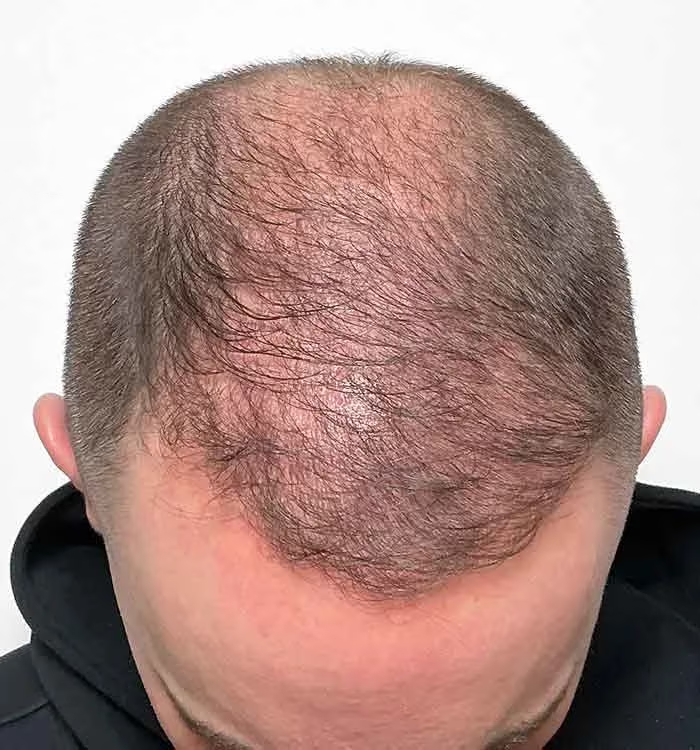
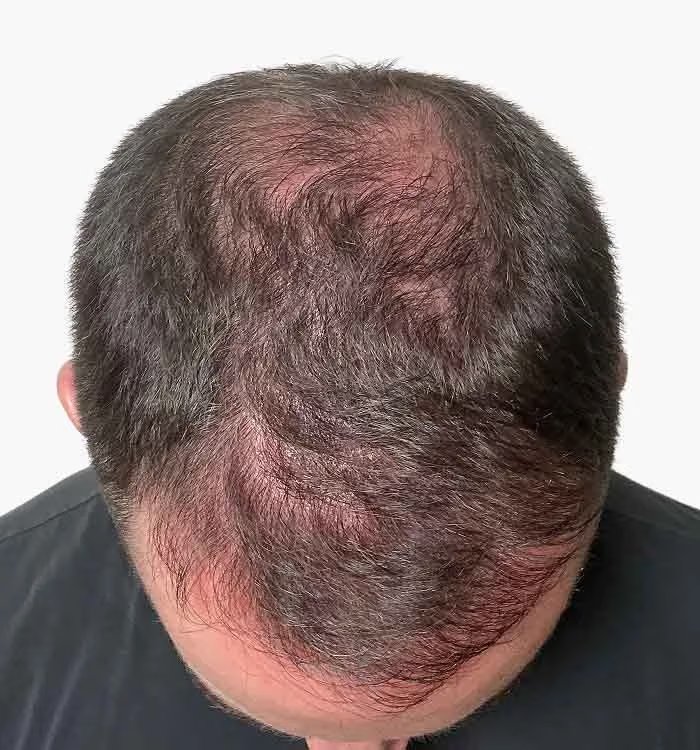
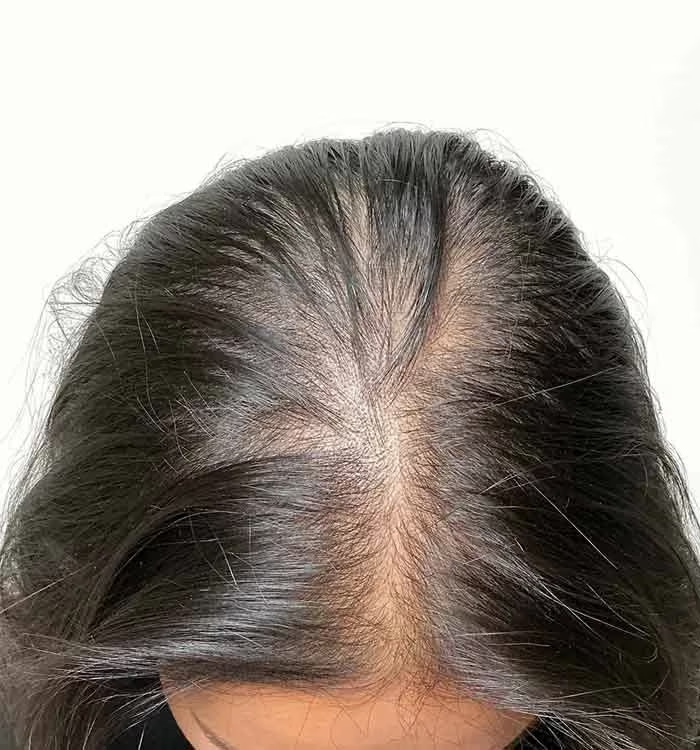
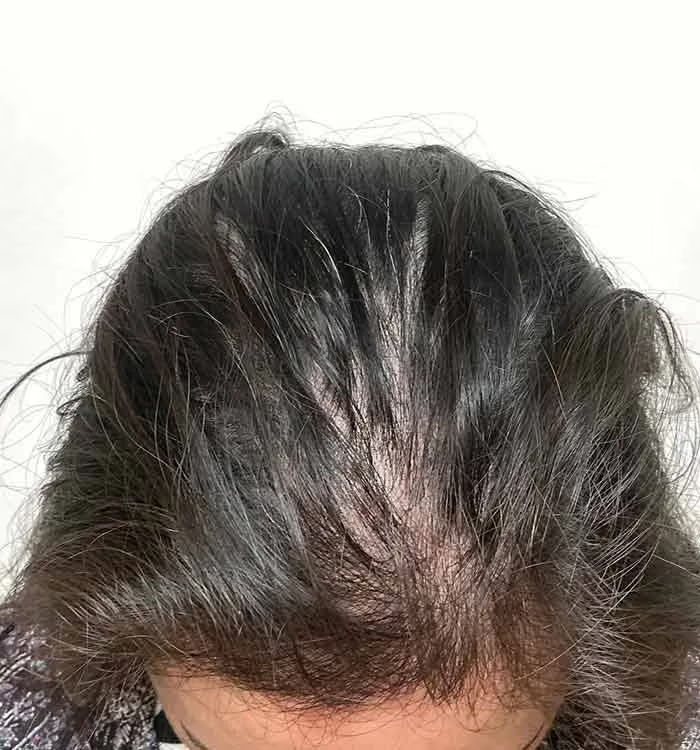
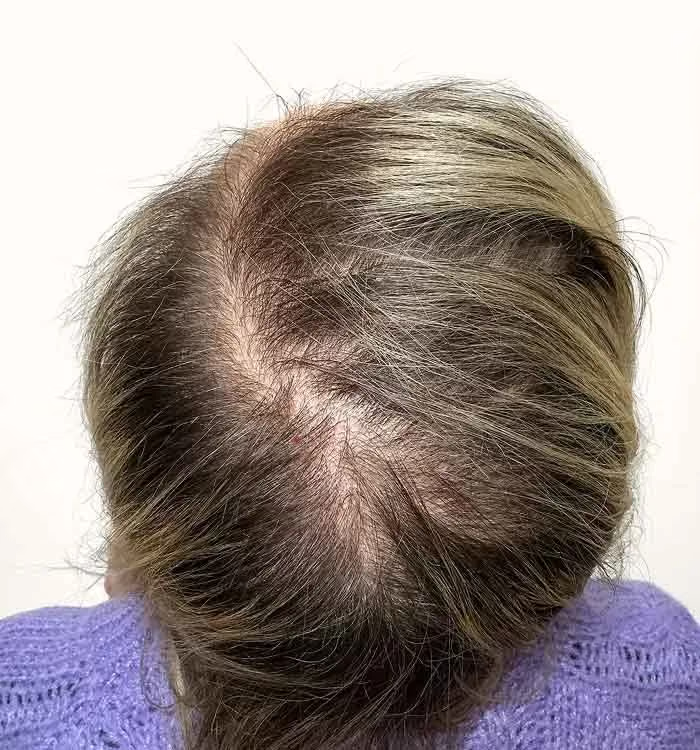
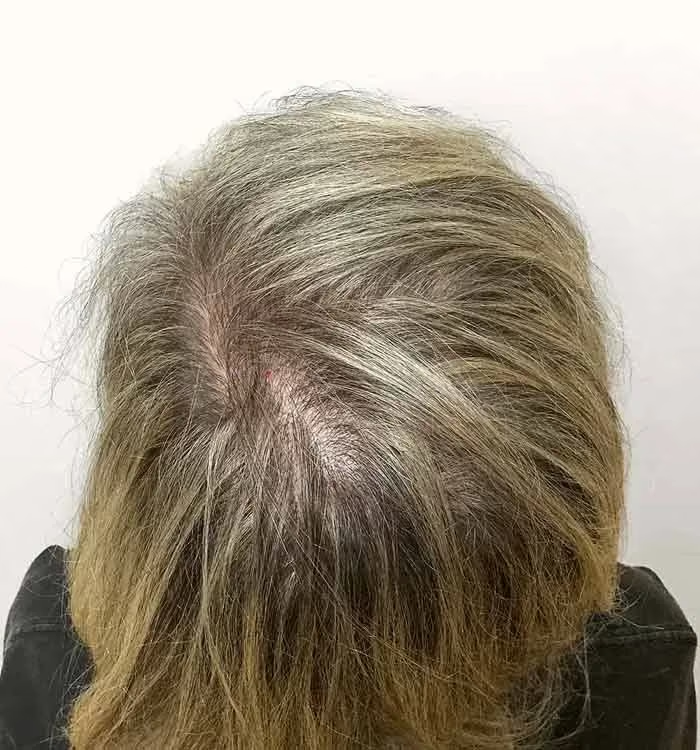
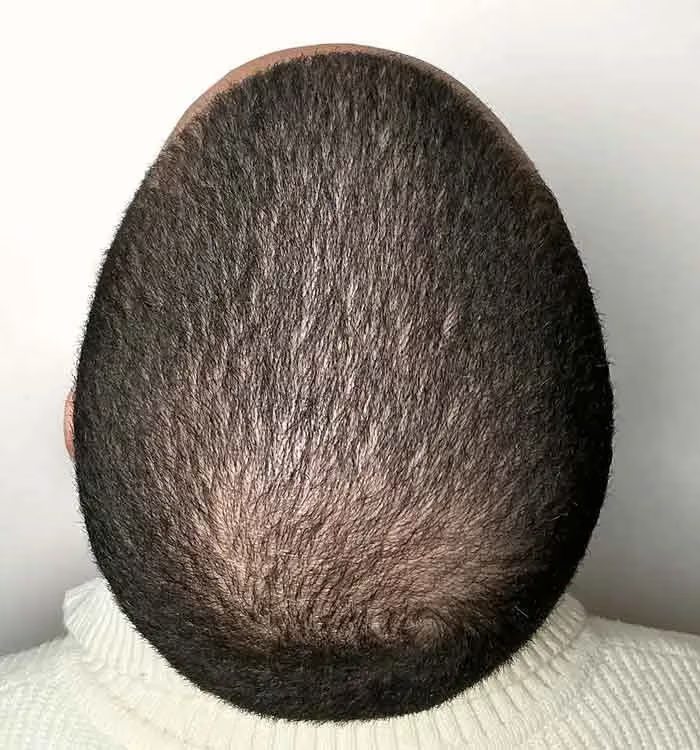
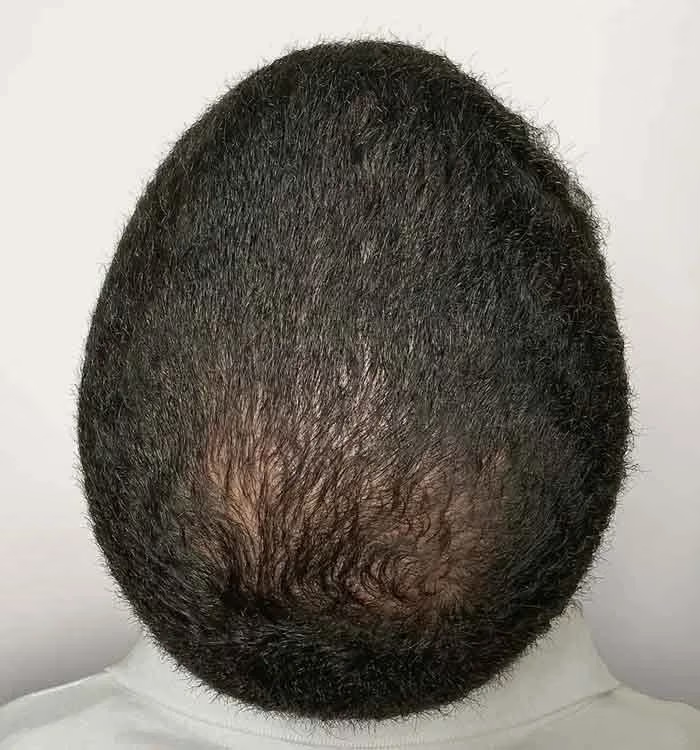
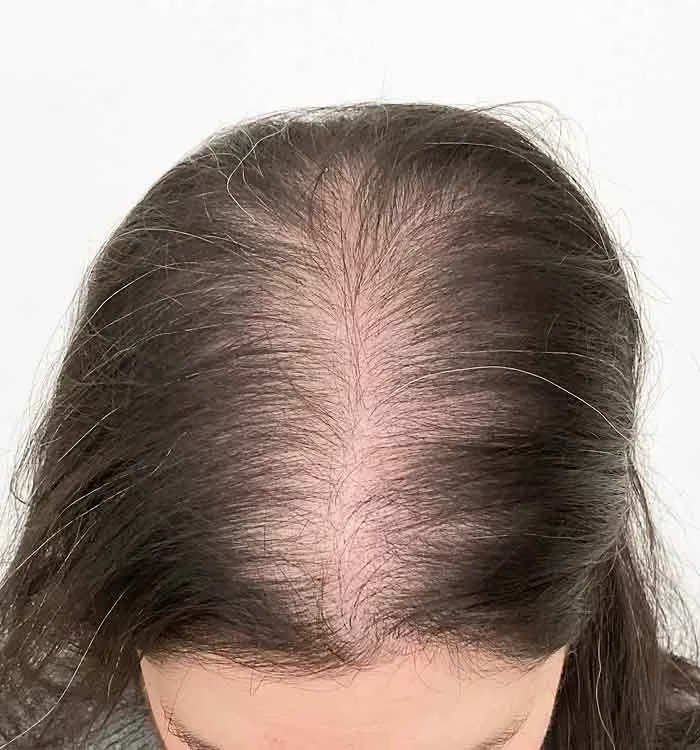
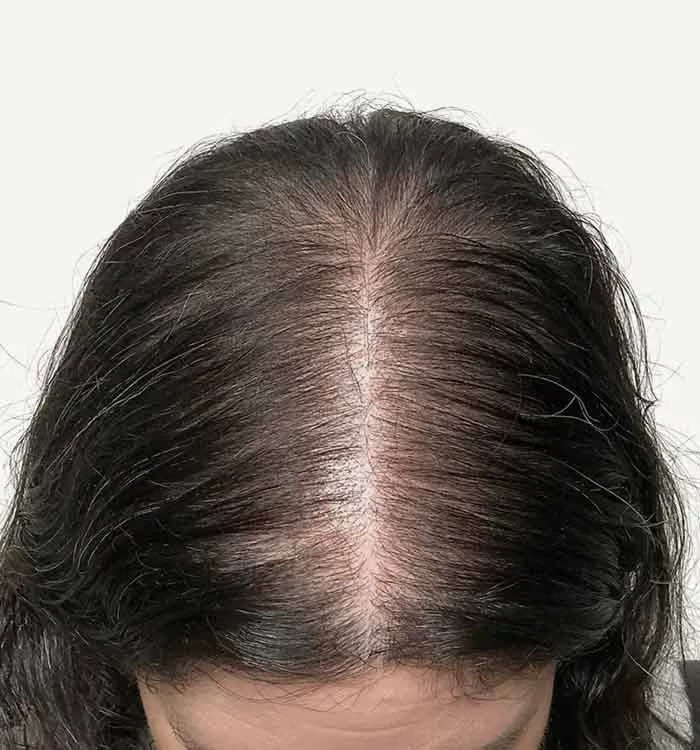
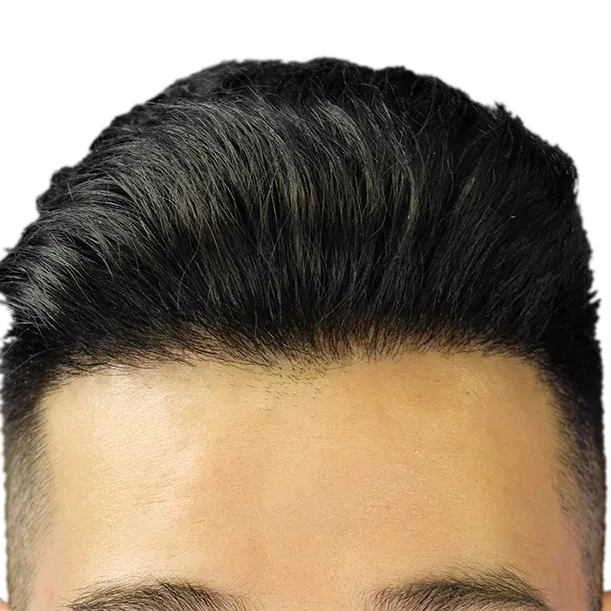
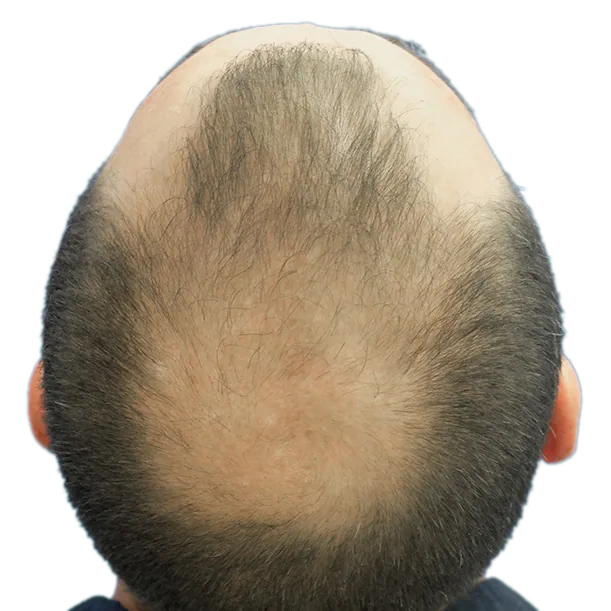
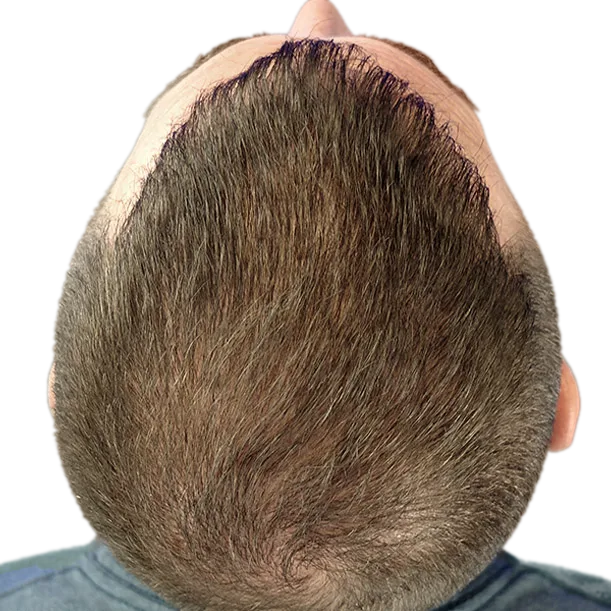
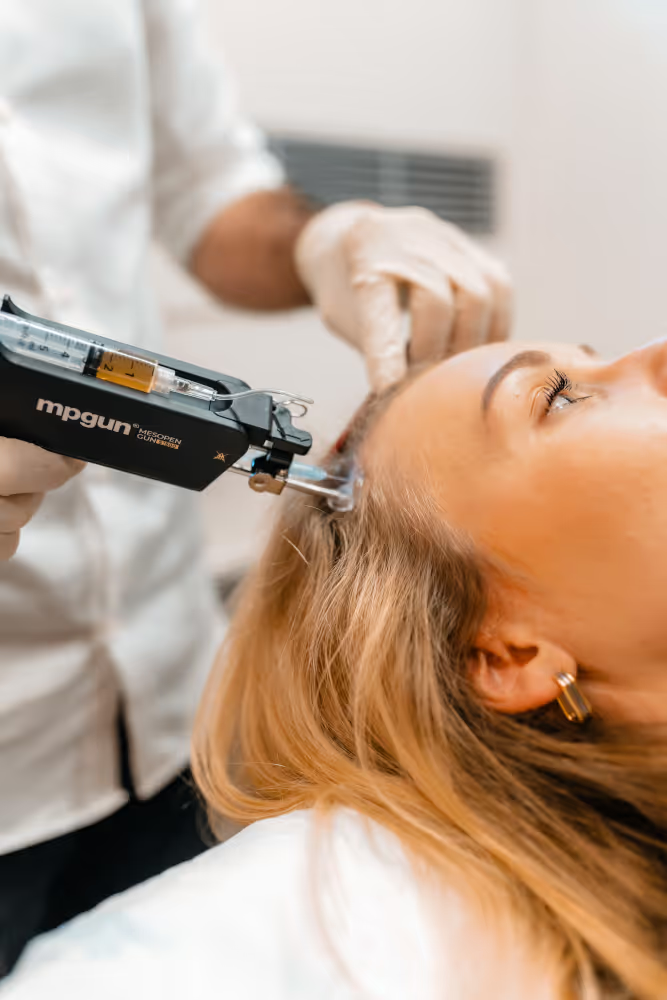
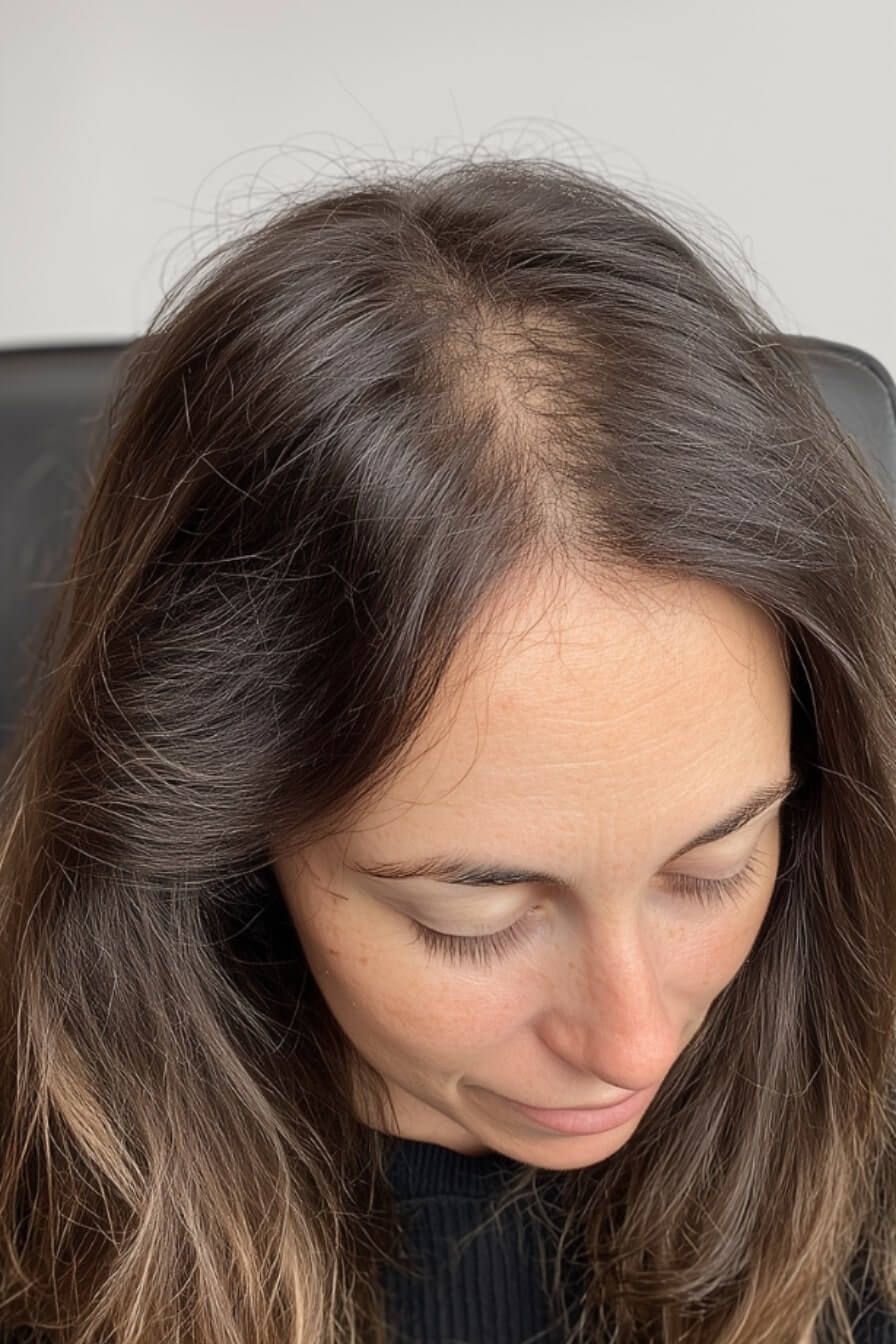
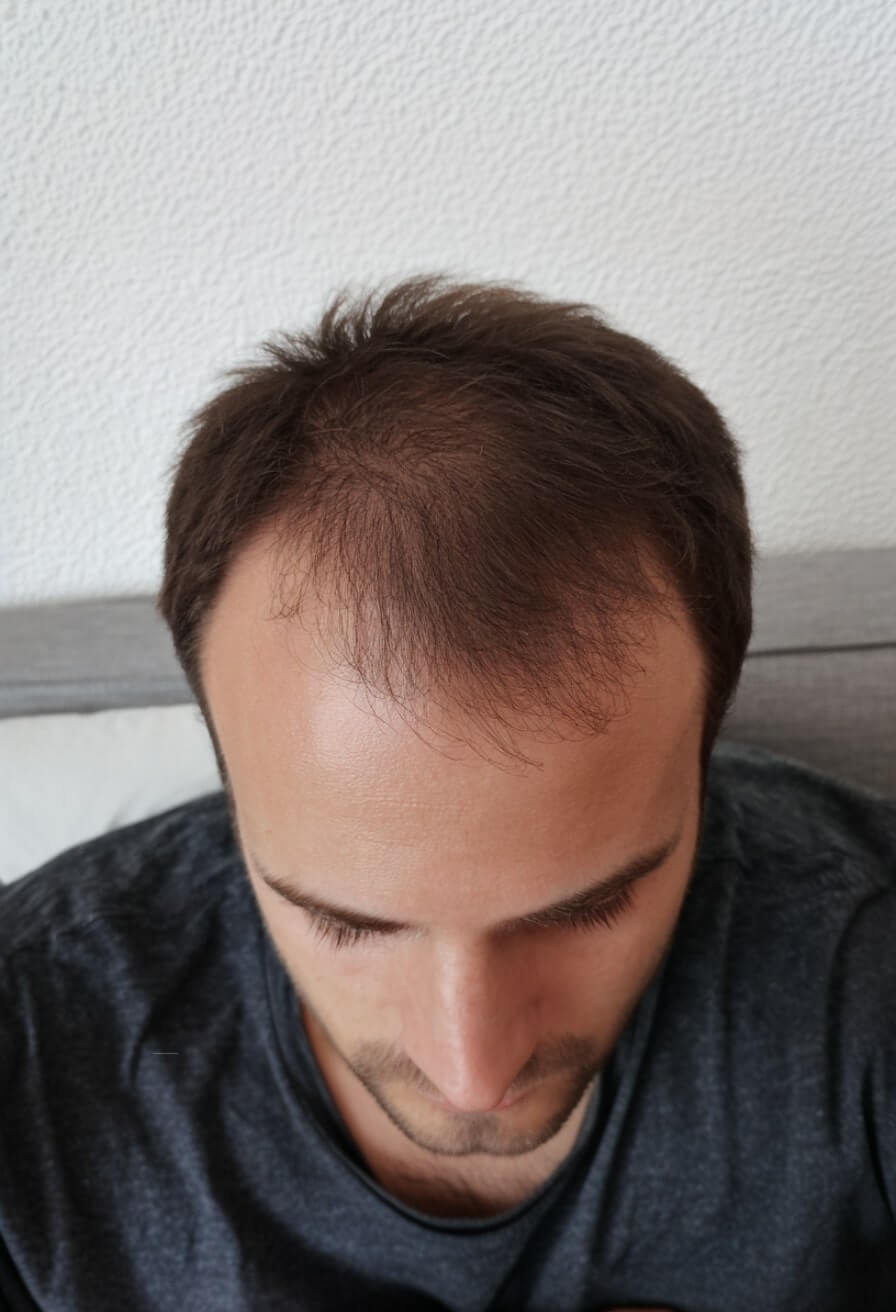
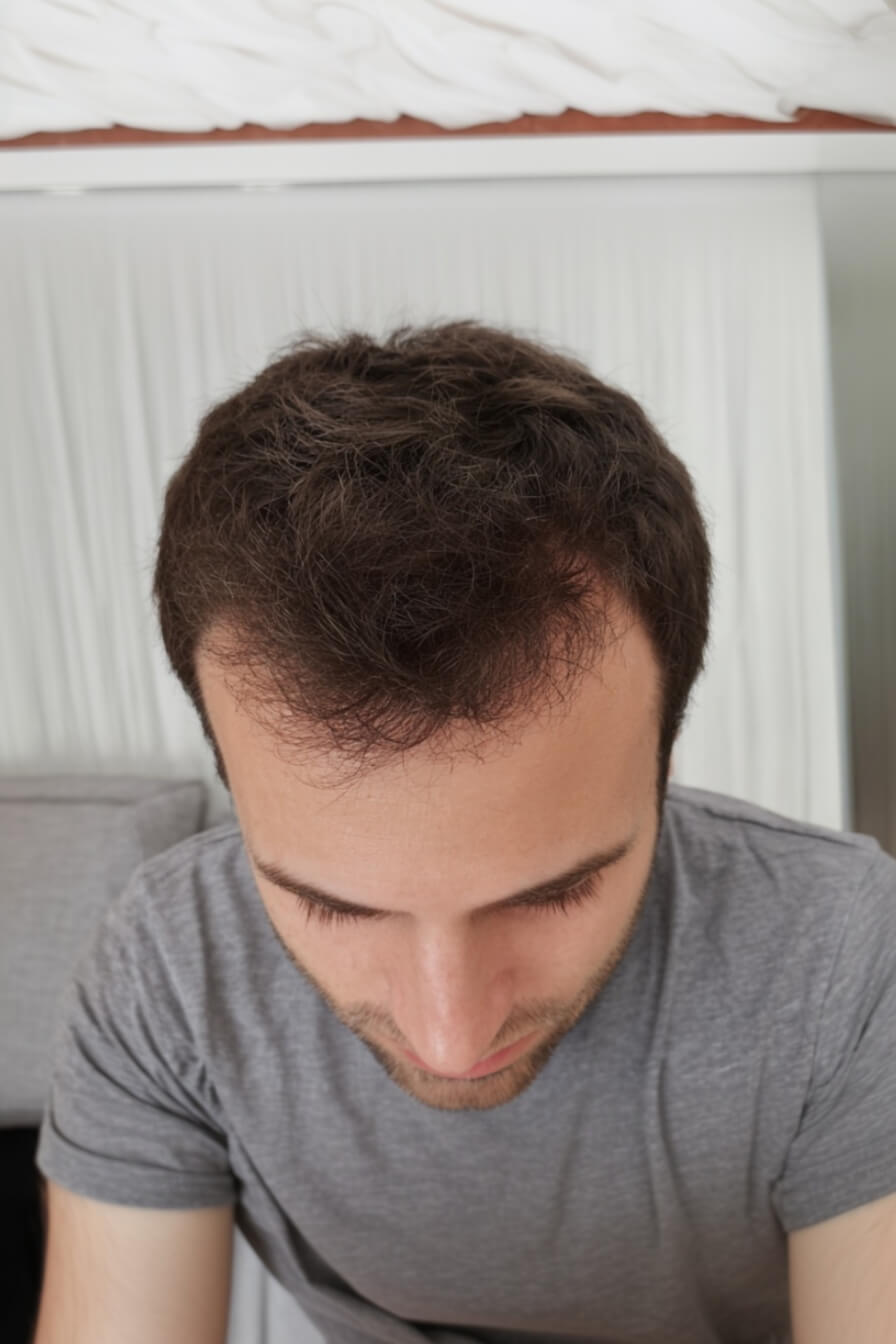
After preparation, the obtained platelet-rich plasma is injected into the treatment areas using micro-fine needles. In the case of hair loss, the injections are made directly into the affected areas of the scalp. For optimal patient comfort, a numbing cream can be applied to the treatment site beforehand.
The injection is administered in small, precise amounts to ensure even distribution of the active substance. In some treatments, PRP is injected under ultrasound guidance to guarantee accurate placement. In combination treatments with CO₂ lasers, the PRP is also applied topically to the skin and absorbed into the deeper layers through the micro-channels created by the laser.
3. Duration and number of sessions
A single PRP treatment typically lasts between 30 and 60 minutes, with some clinics specifying a range of 40–50 minutes. For hair loss treatments, 4 sessions spaced 4–6 weeks apart are usually recommended, while other sources suggest 6–8 sessions for optimal results.
Following the initial treatment cycle, maintenance sessions may be performed every 3–6 months or 6–12 months to preserve the achieved results. However, the ideal number of sessions may vary depending on the individual’s condition and the area of application.




.png)
.png)