

.avif)
In less than 4 months to full hair.
In our specialized practice, we develop medical solutions that are tailored to your hair type, genetics and lifestyle — from PRP to exosomes to personalized supplements and hormone analyses.
Individual treatment options
That's how we treat at Mara. Doctor-guided diagnosis: No guesswork.
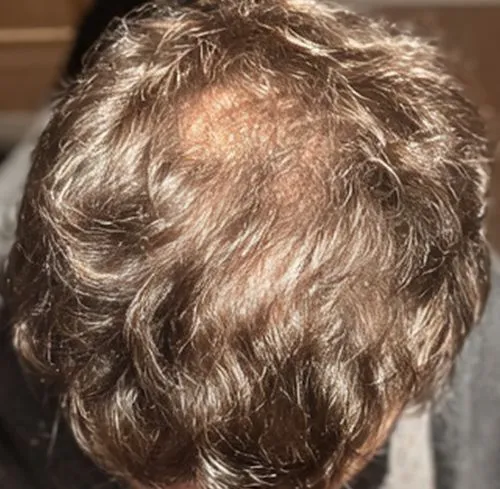
Stress-related hair loss
Sudden hair loss caused by stress, illness, or nutrient deficiency. Hair often grows back when the underlying cause is identified and treated.
.avif)
Thinning hair
A receding or thinning hairline can be triggered by illness, nutrition, or burnout. It is often stress-related and may appear as finer hair and reduced volume.
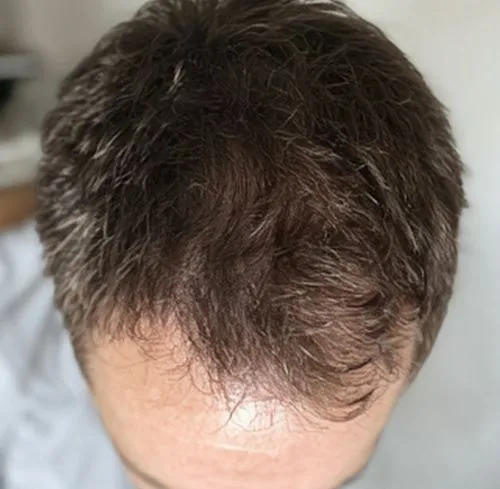
Diffuse thinning
A receding or increasingly sparse hairline can have many causes. Stress, hormonal changes, illness, or nutrient deficiencies often play a role, leading to finer hair, less volume, and diffuse thinning.
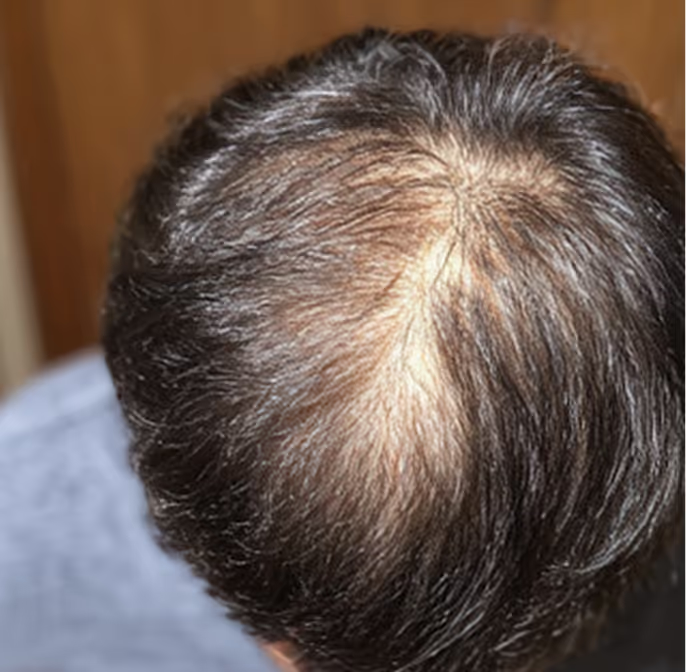
Androgenetic alopecia
Typical signs include a receding hairline or increasing thinning at the crown. The cause is usually genetic predisposition, influenced by hormonal processes.


Results
Visible results.
Real before-and-after results from individual Māra treatment plans. Swipe or navigate to see more cases.
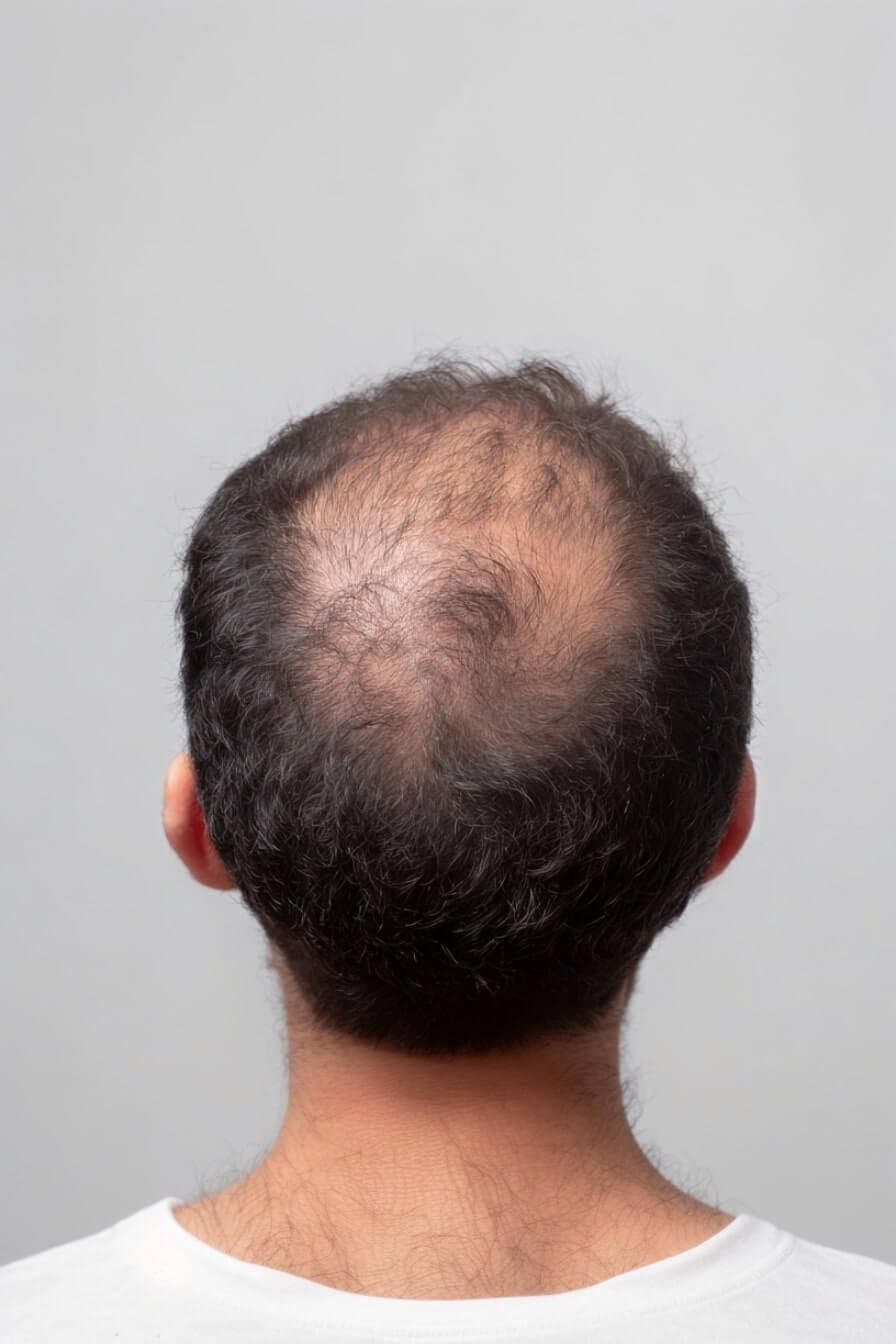
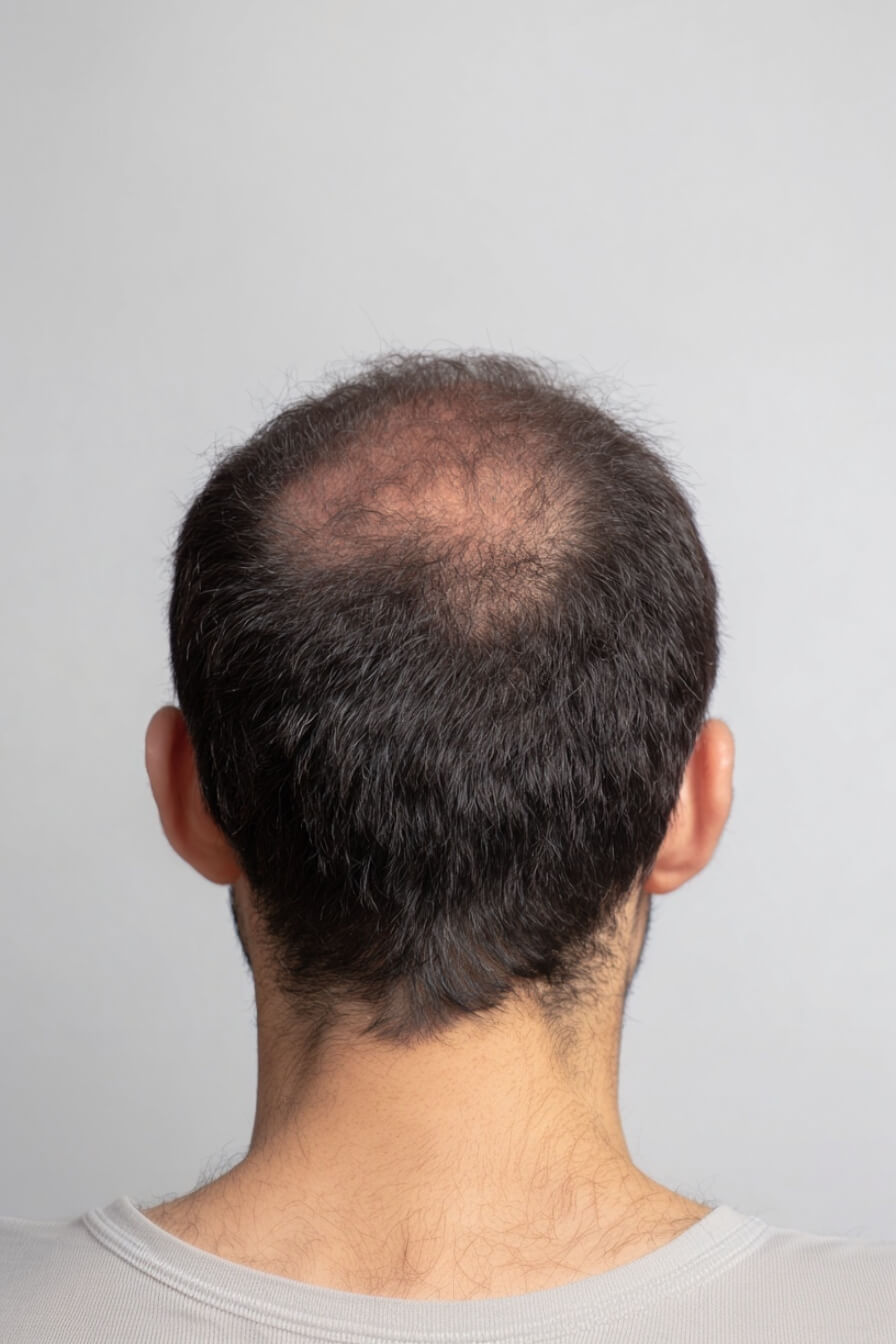
Patient case
Moh A.
.png)
.png)
Patient case
Oxana L.
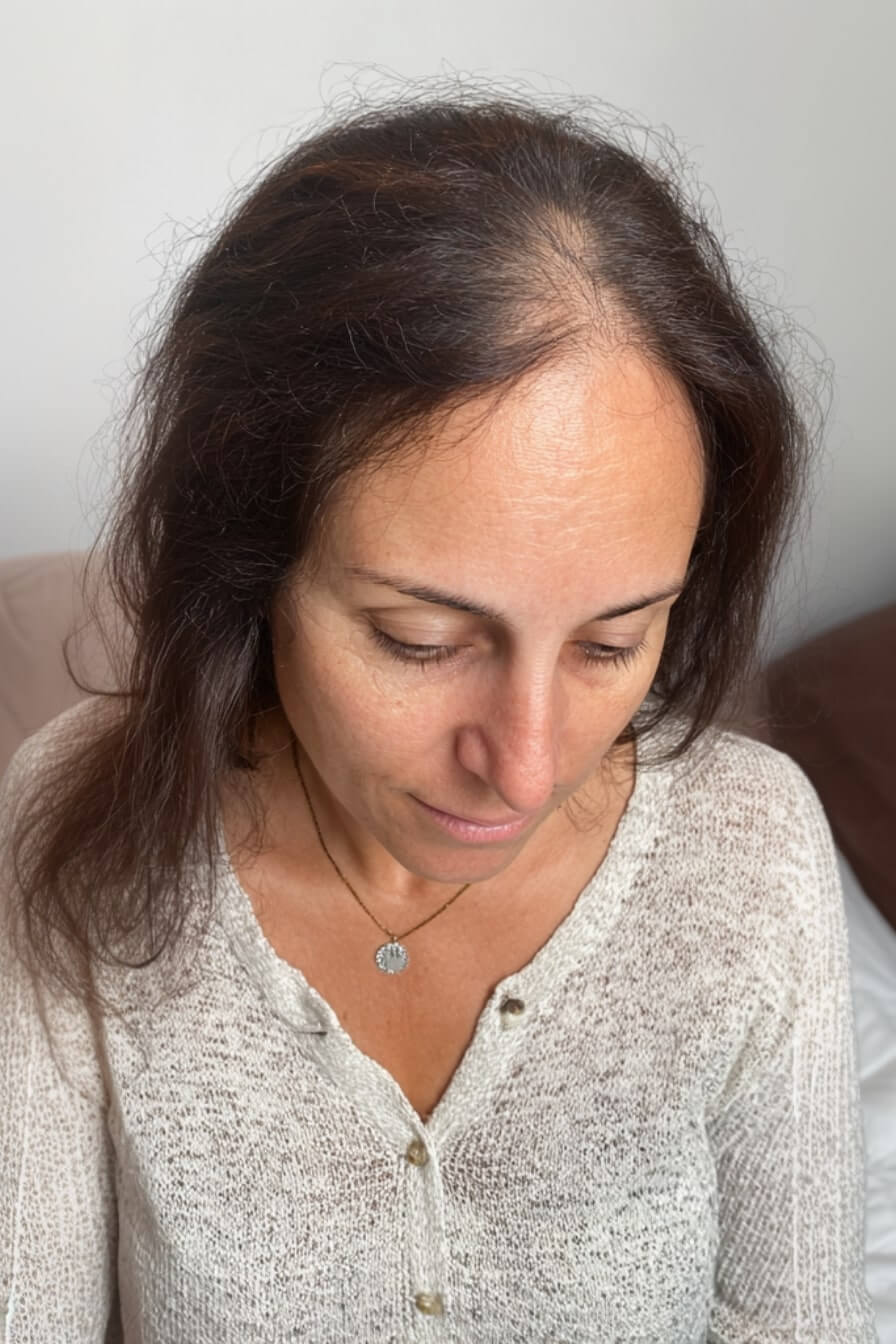
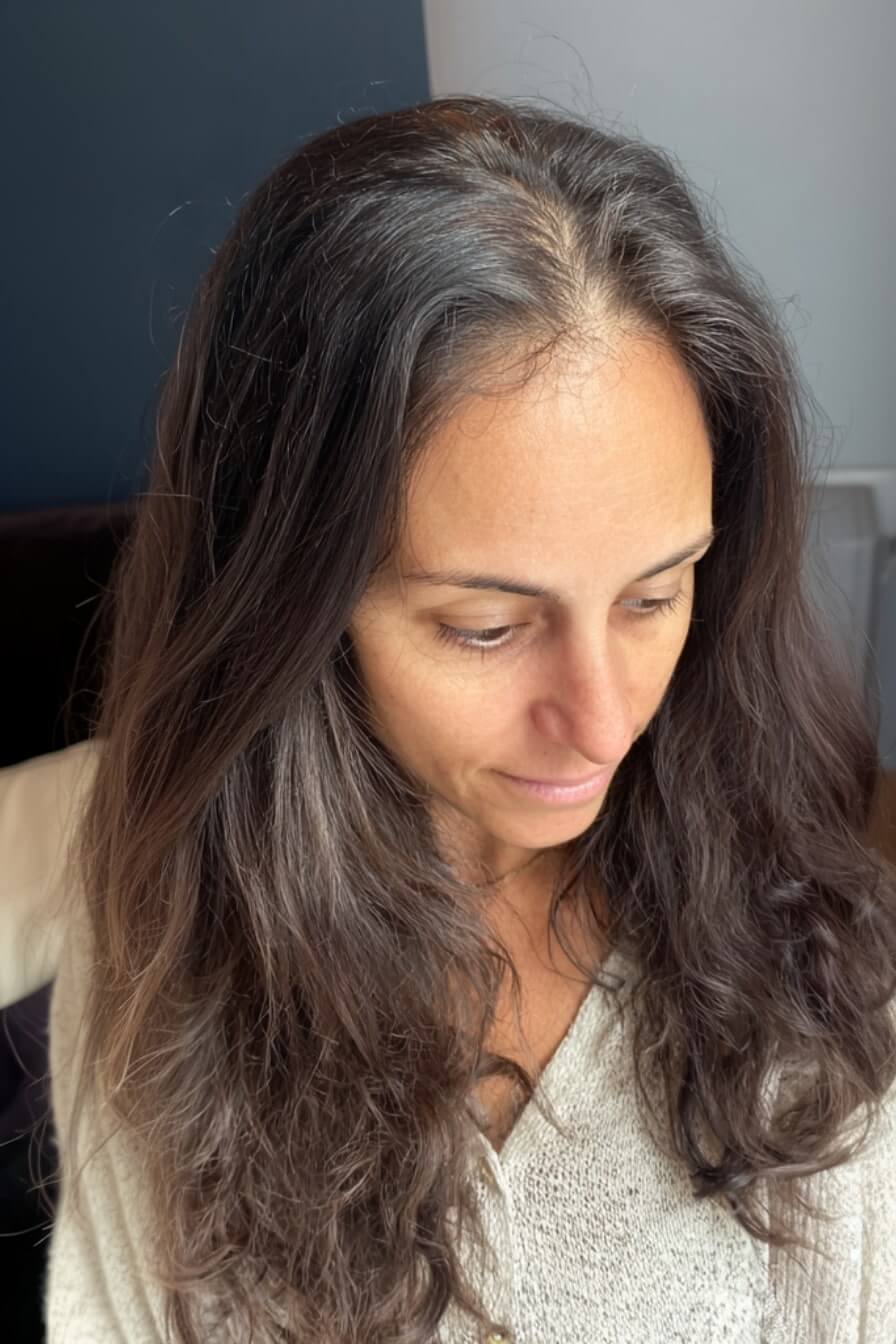
Patient case
Emilia L.
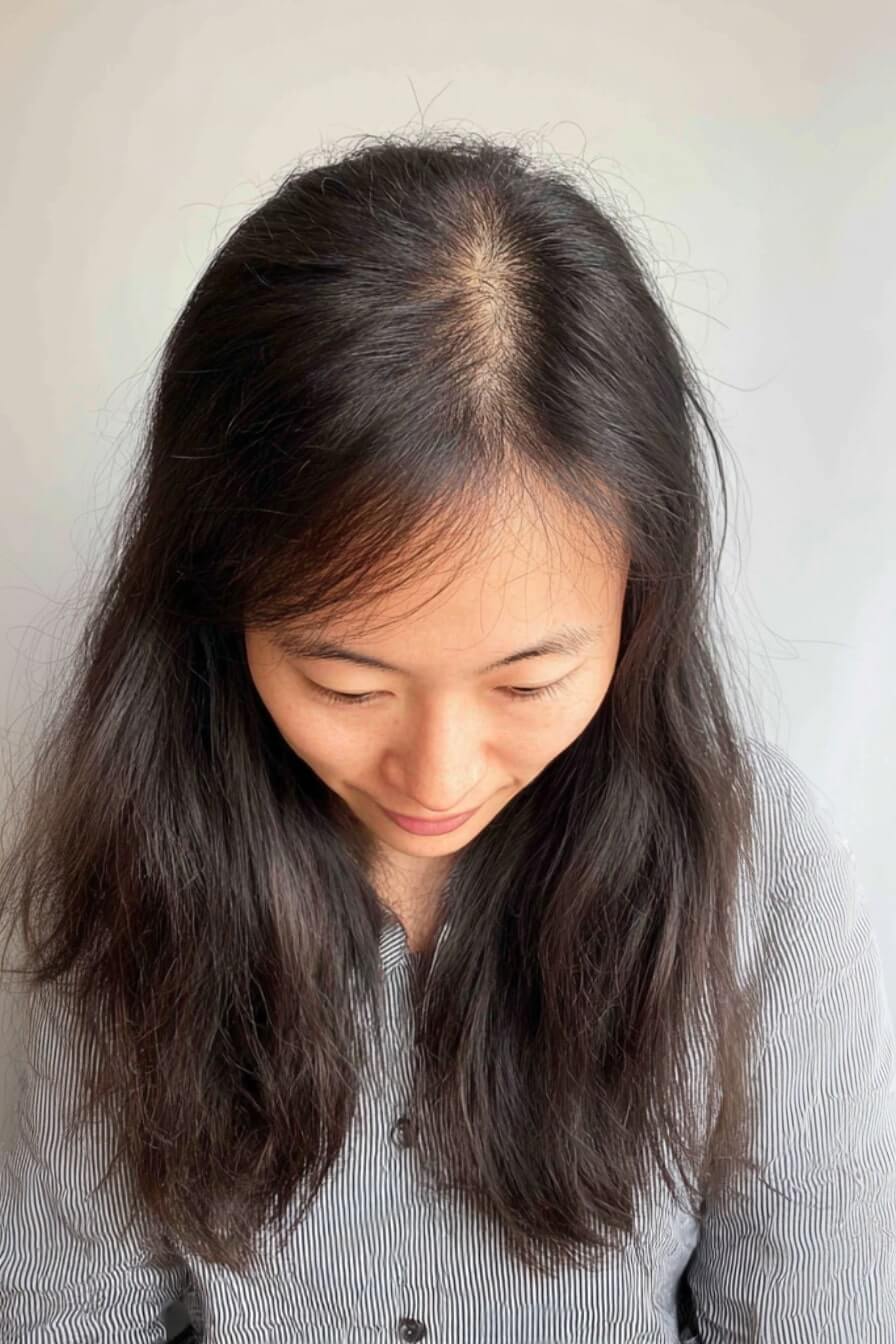
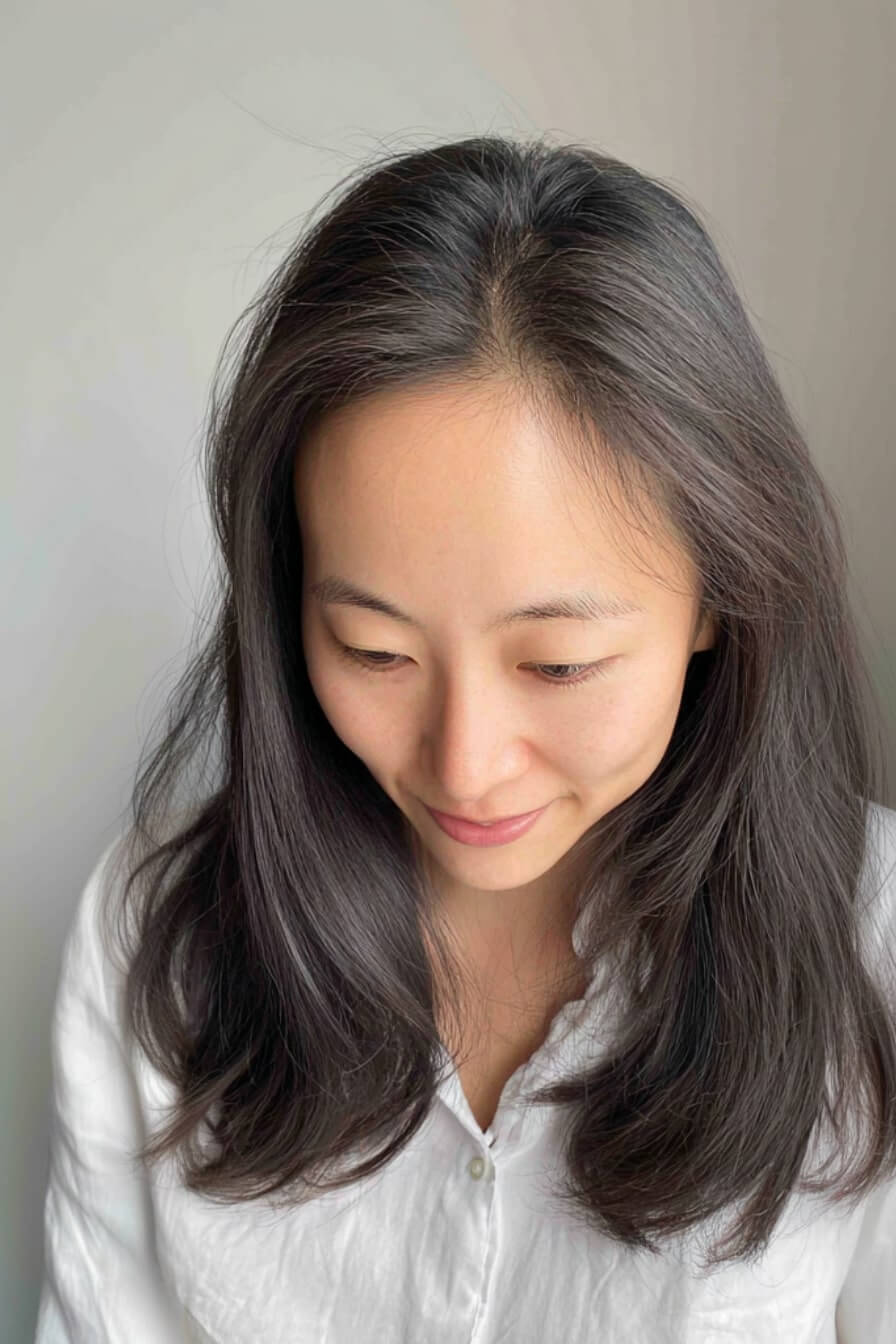
Patient case
Takomi O.
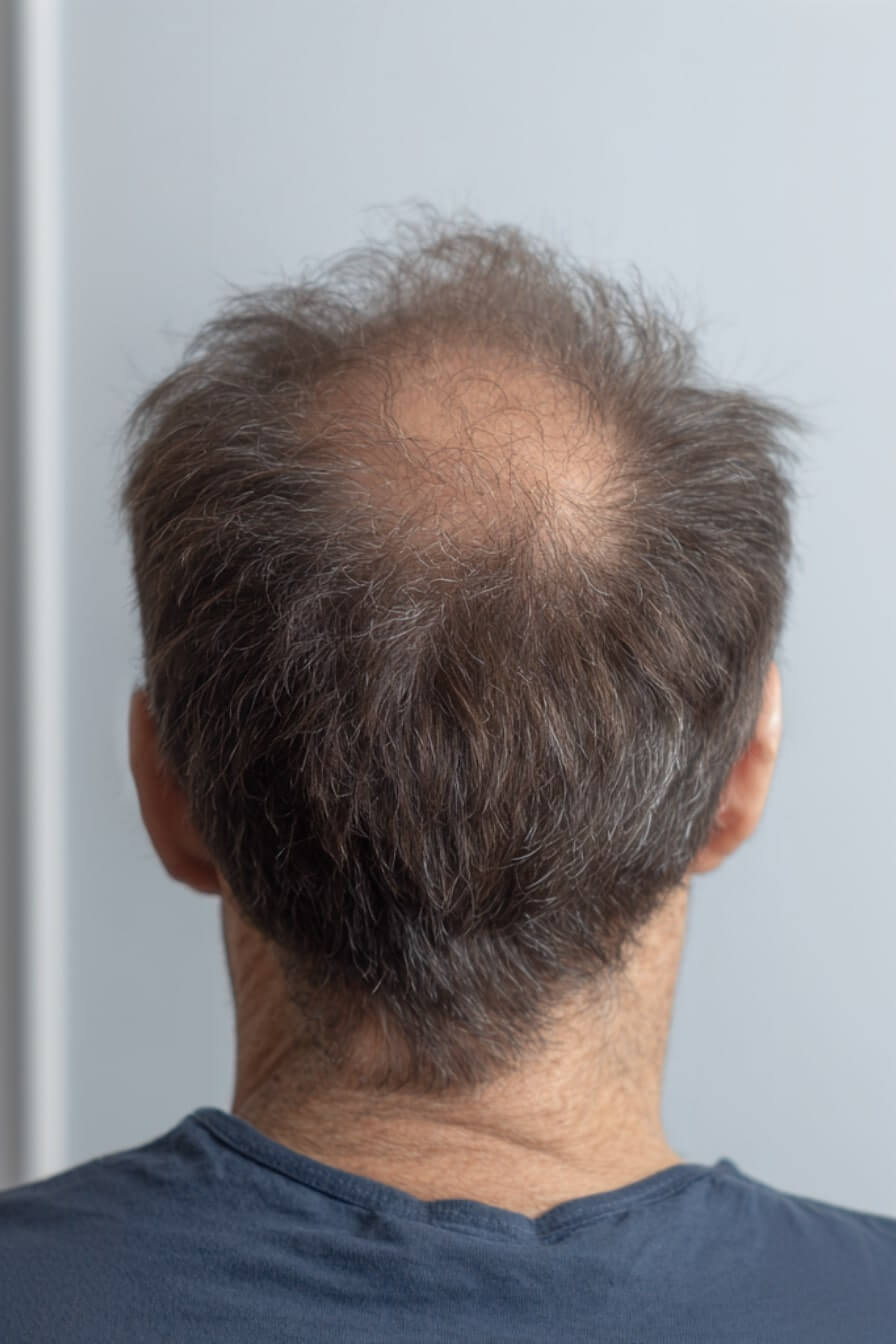
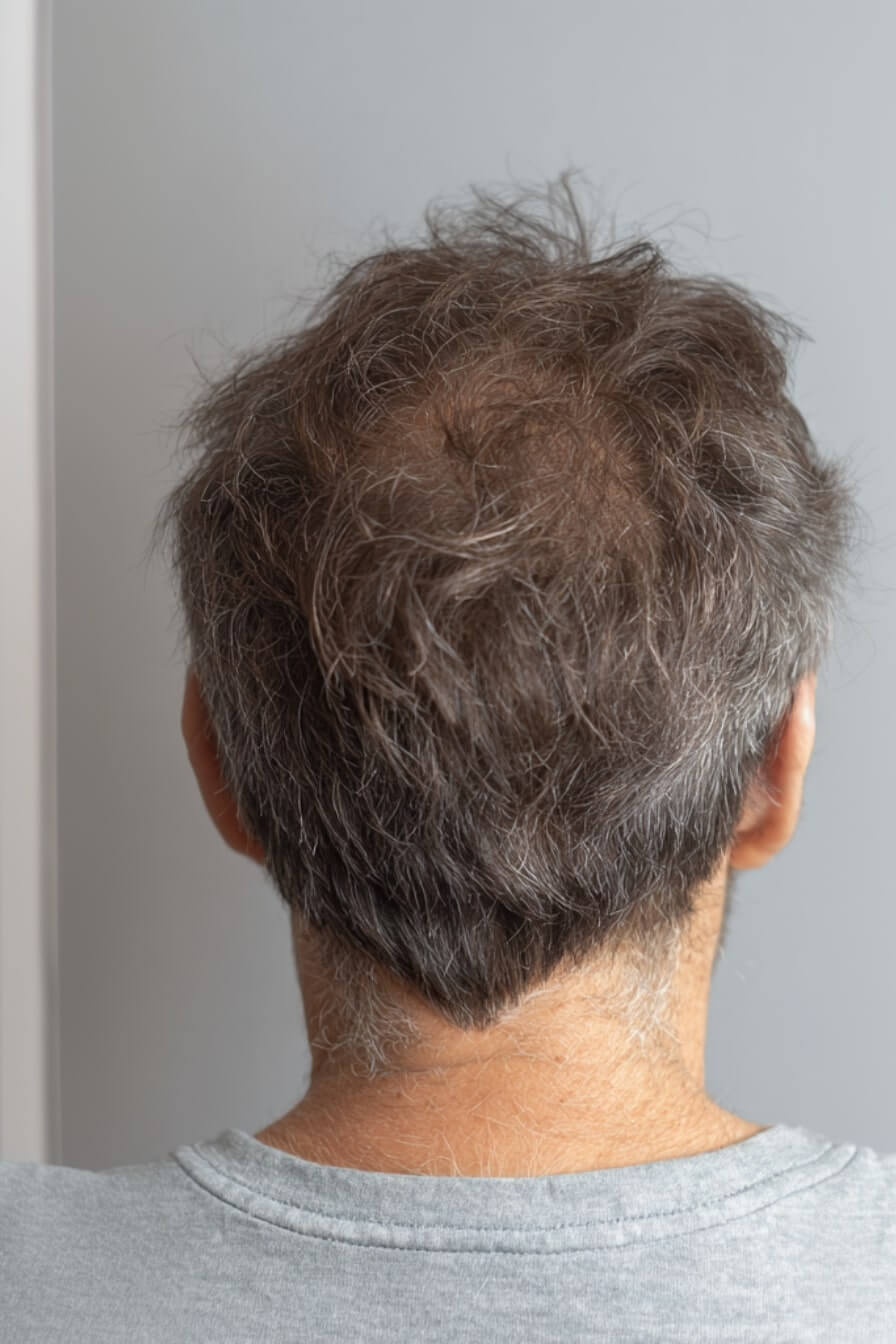
Patient case
Yann P.
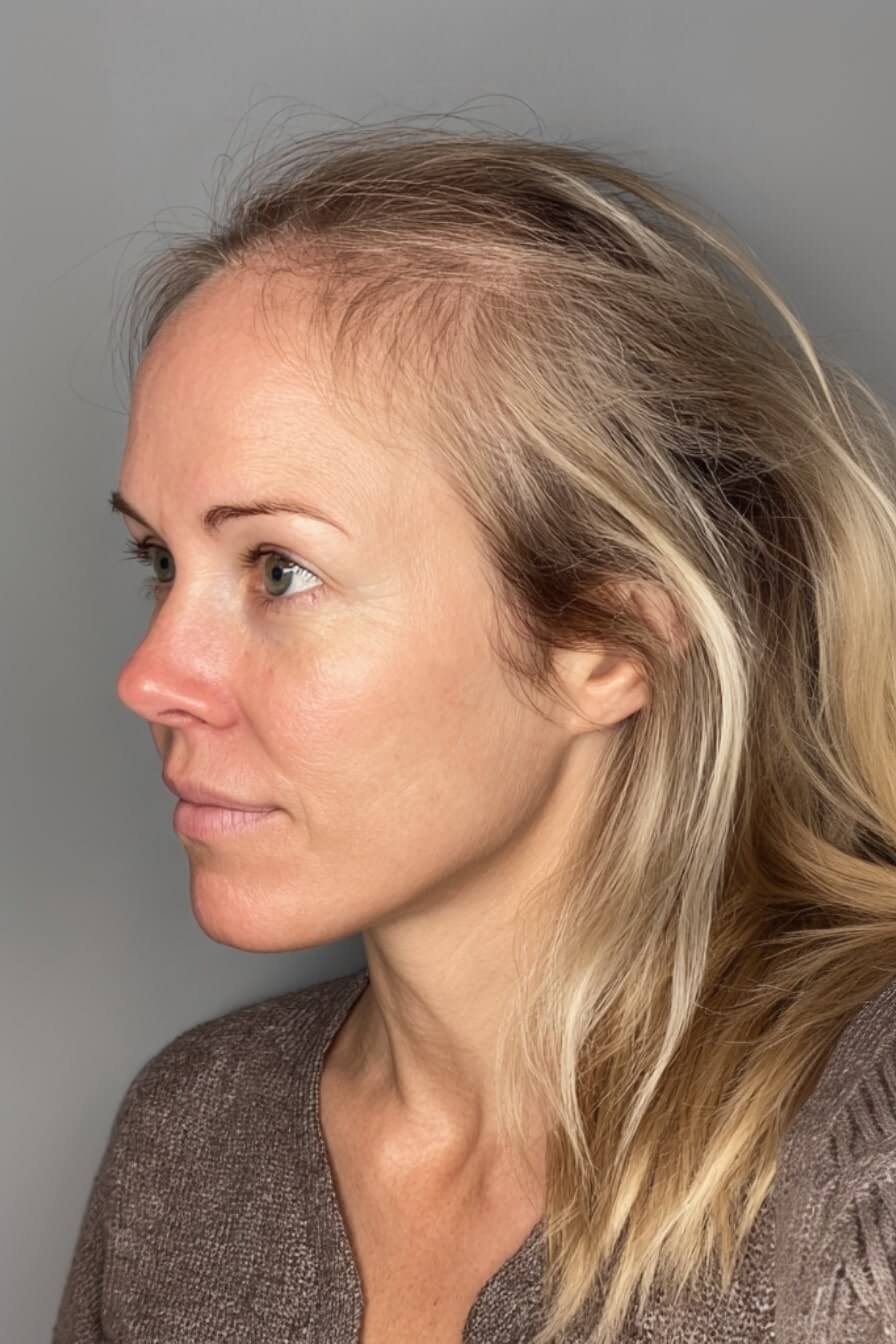
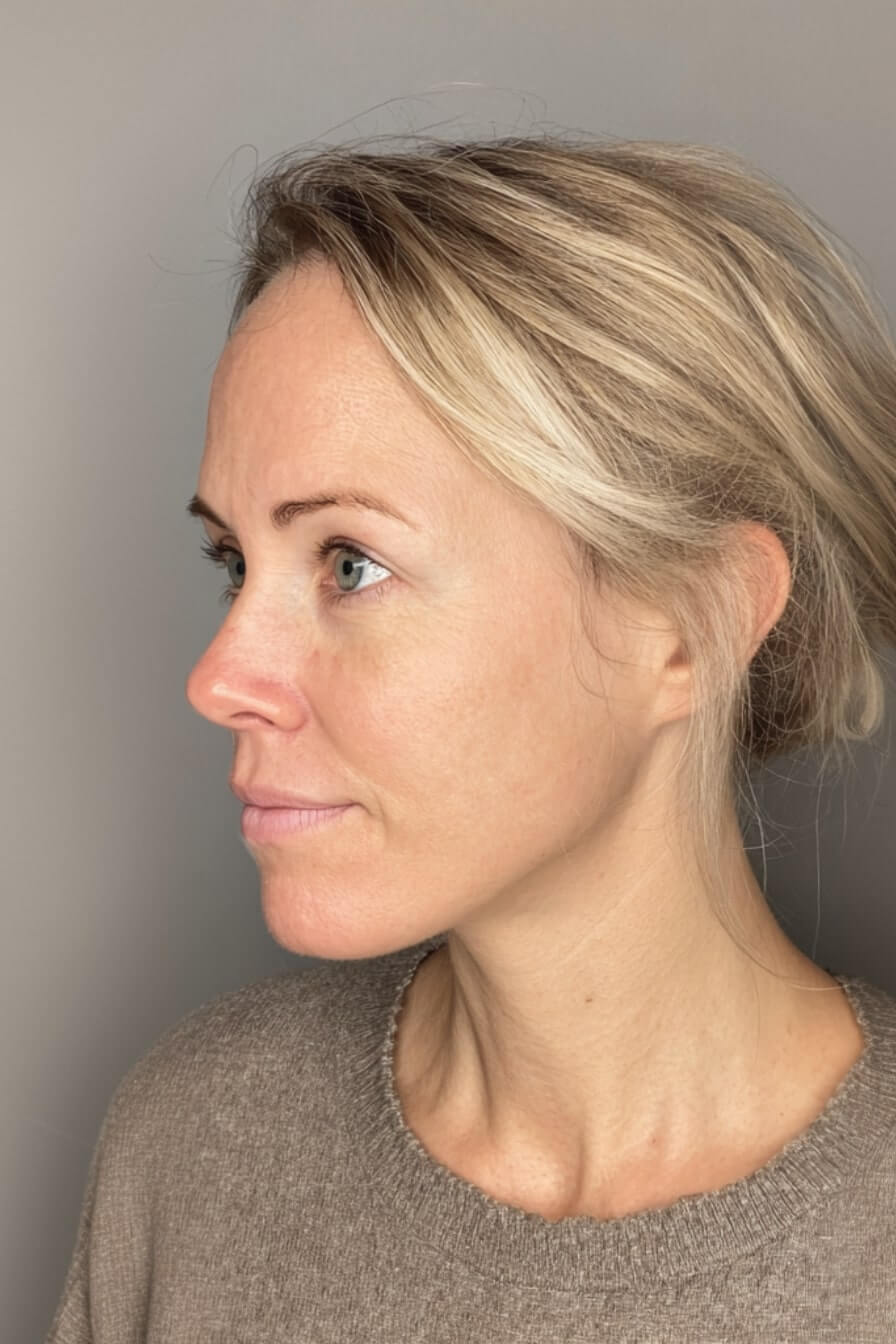
Patient case
Marie S.
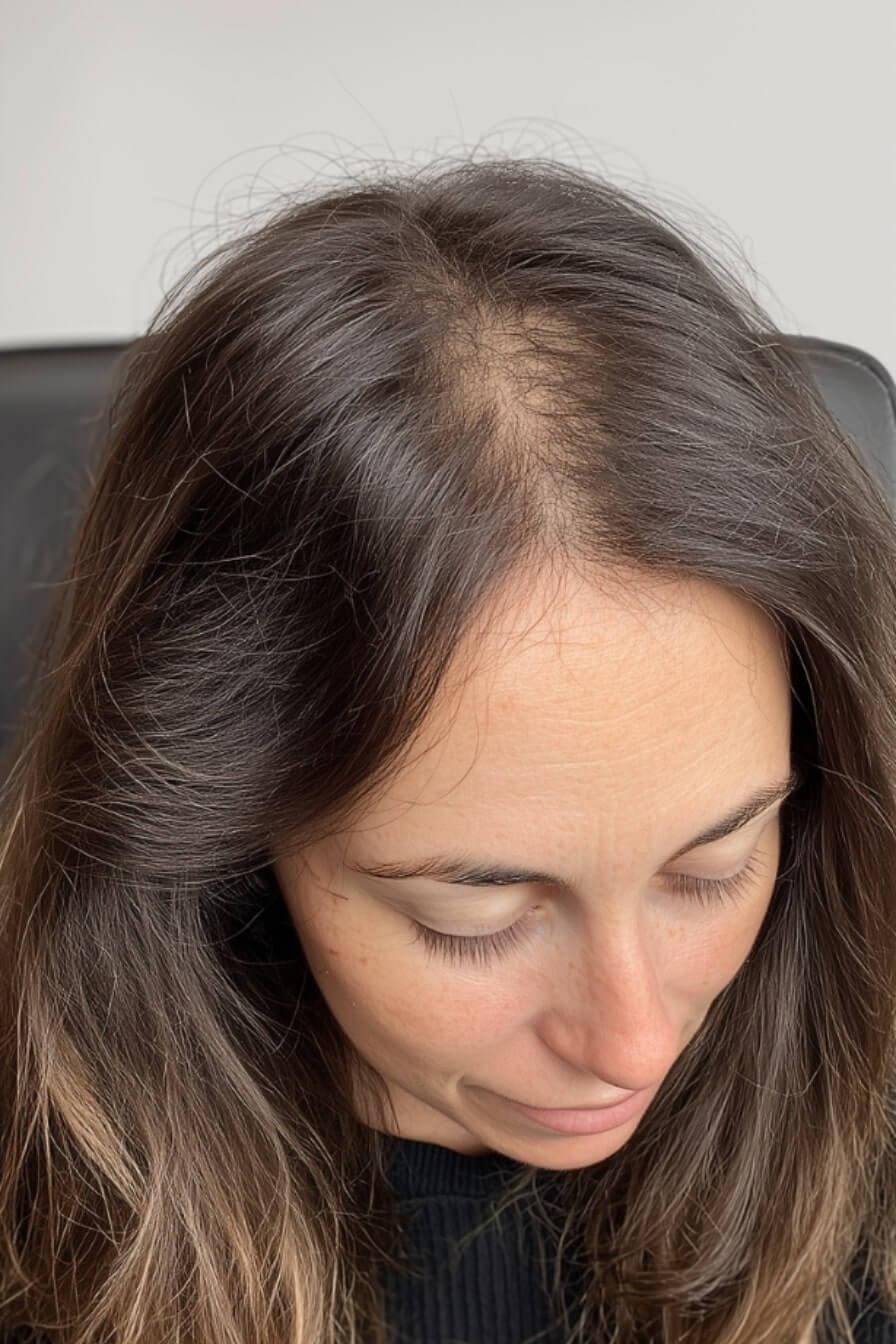
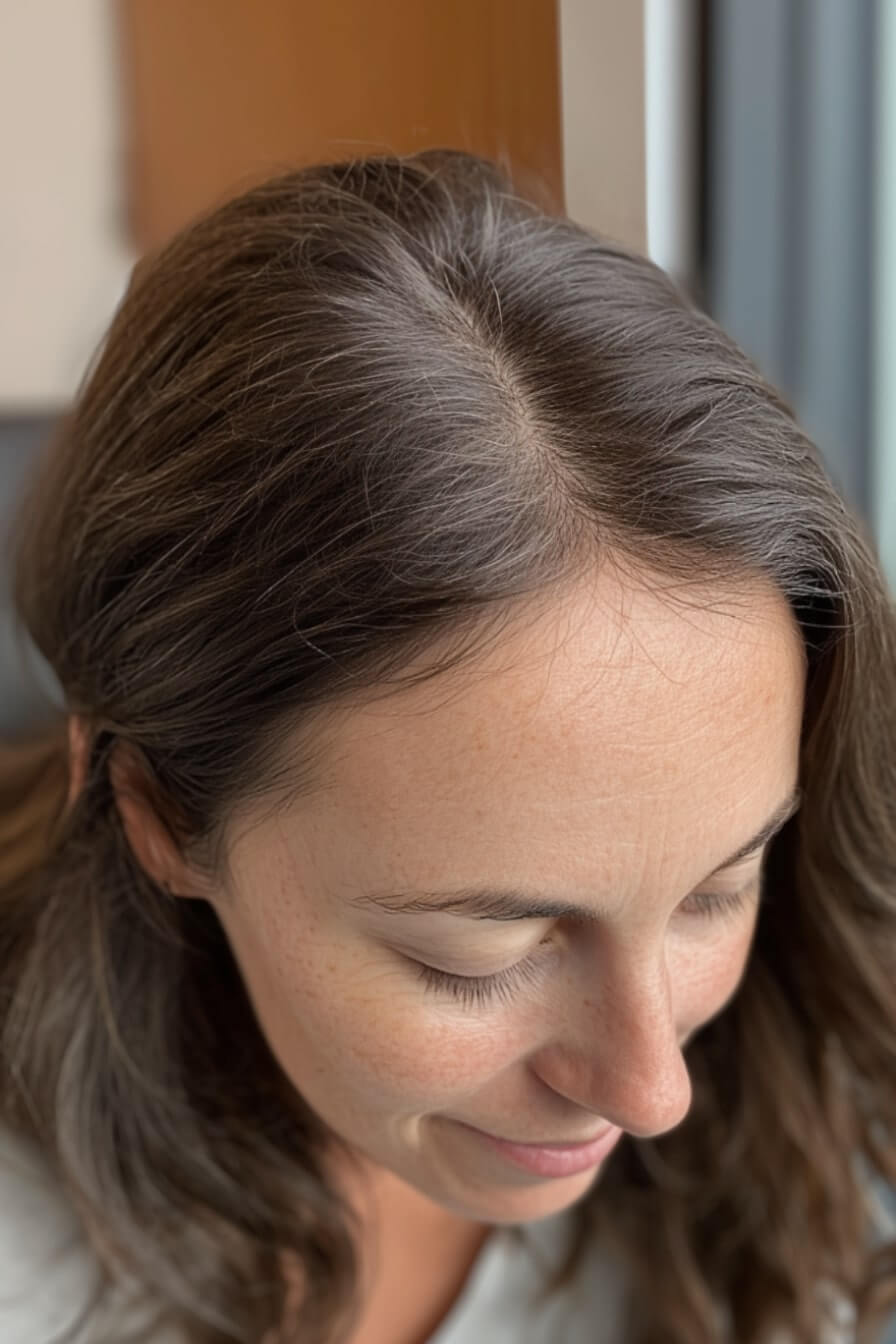
Patient case
Jana F.
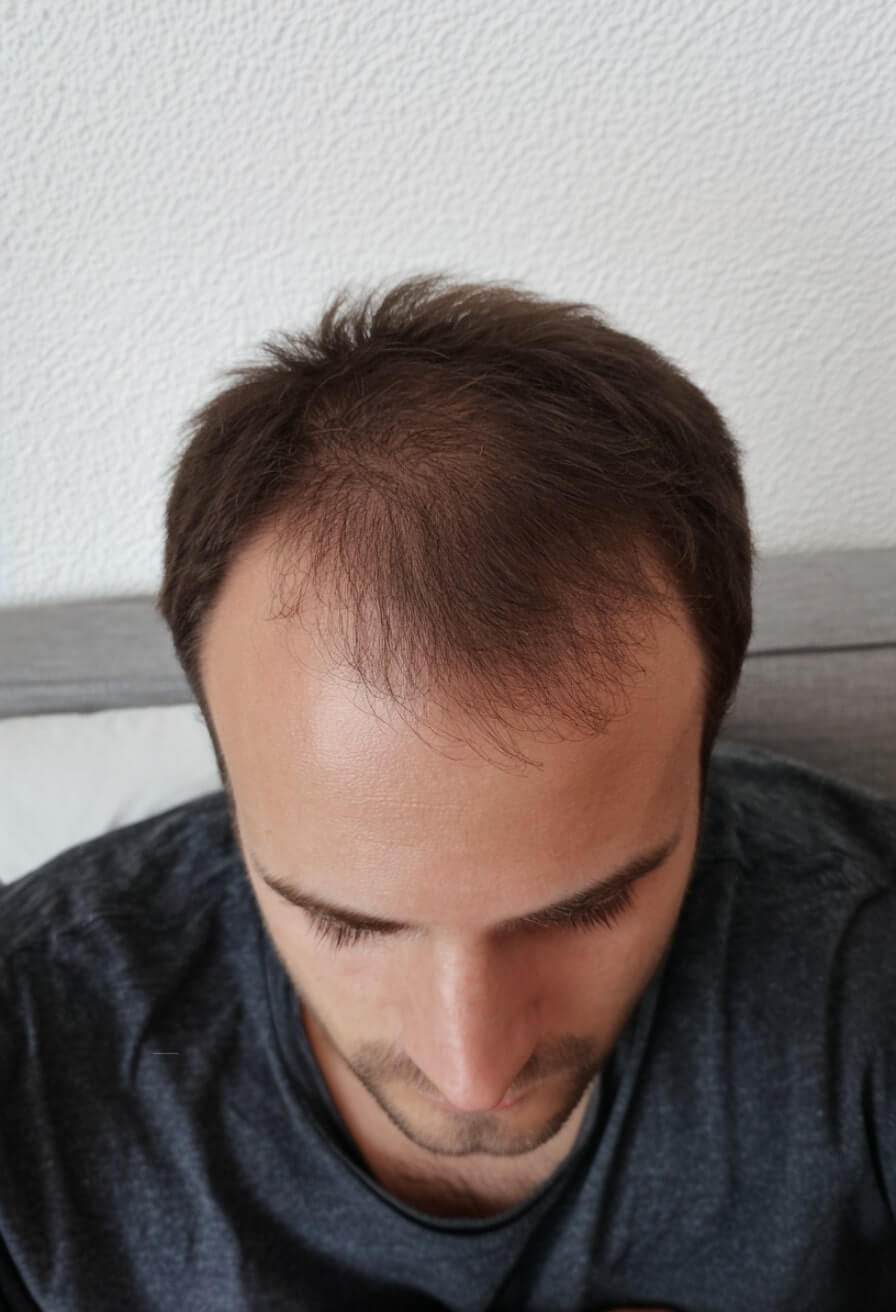
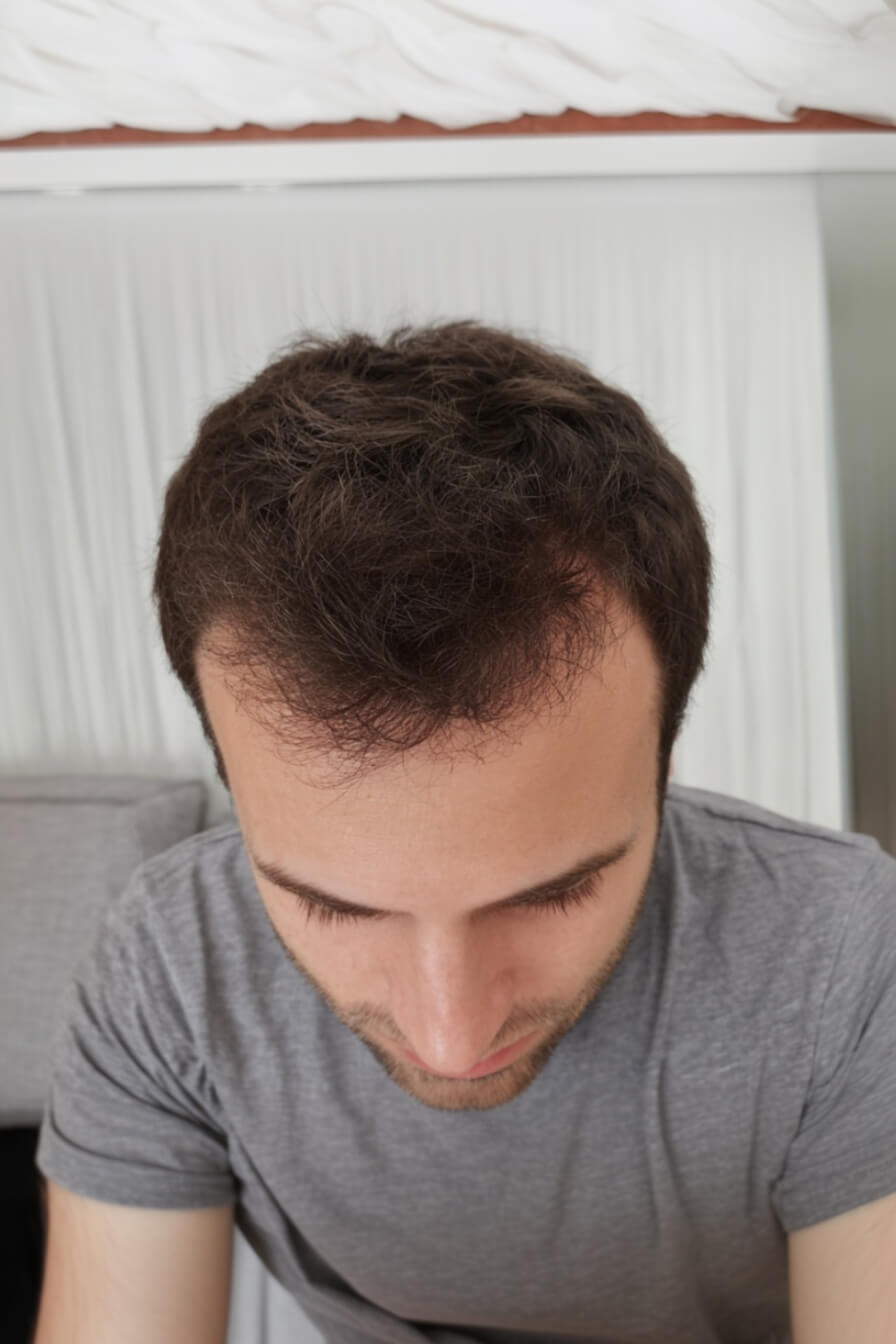
Patient case
Ahmed M.
Real experiences
Nächster Schritt
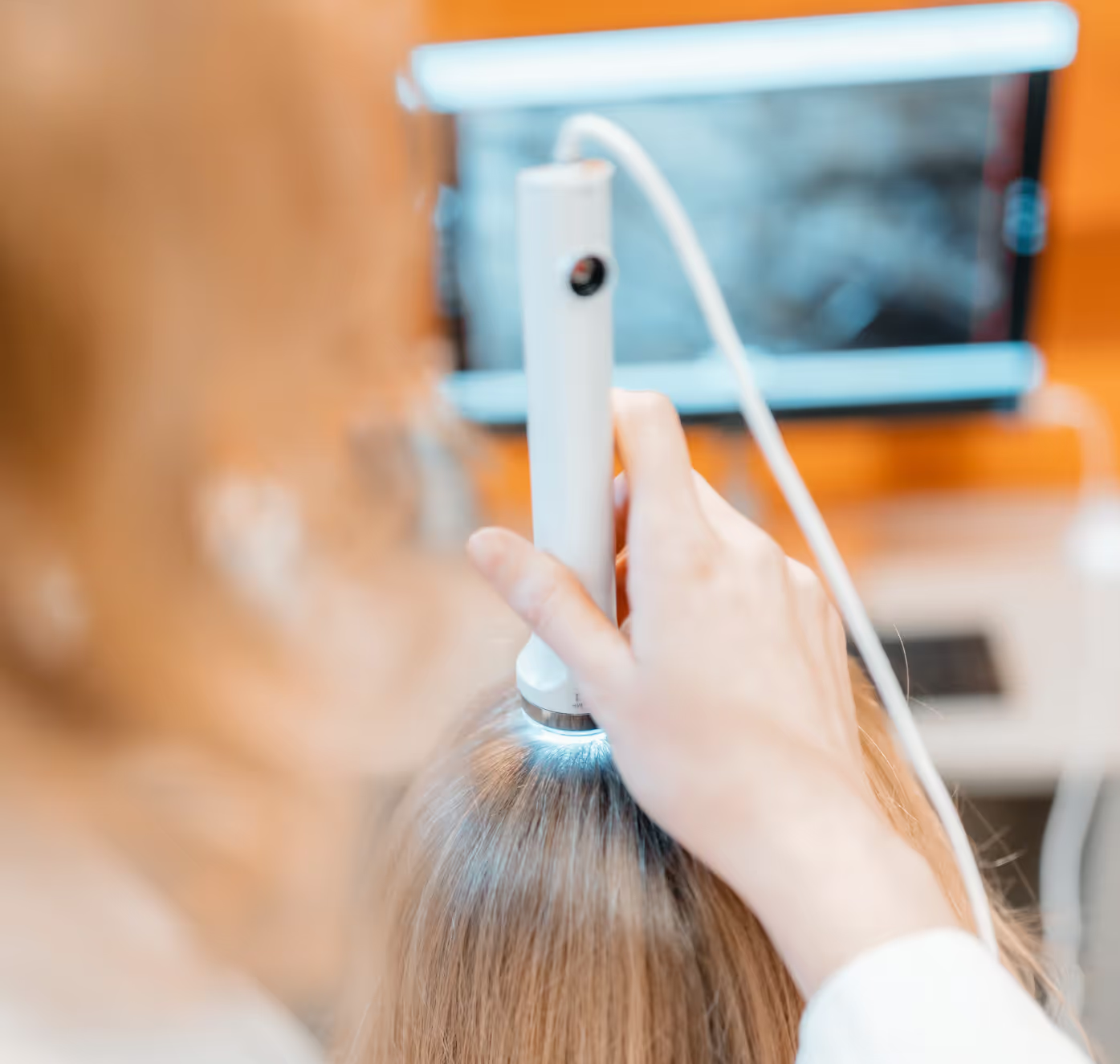
Discover the cause of your hair loss — with a free hair analysis.
In our ultra-modern practice in Zurich, our experienced team of experts analyses the causes of your hair loss — with the help of professional hair analysis and additional blood tests. This is how we develop an individual and targeted solution that is precisely tailored to you.

Frequently asked questions
How can you recognize problematic hair loss?

When should you see a doctor for hair loss?
What helps against hair loss in men?
What is hair loss in men?
How can you recognize problematic hair loss?
When should you see a doctor for hair loss?
What helps against hair loss in men?
What is hair loss in men?