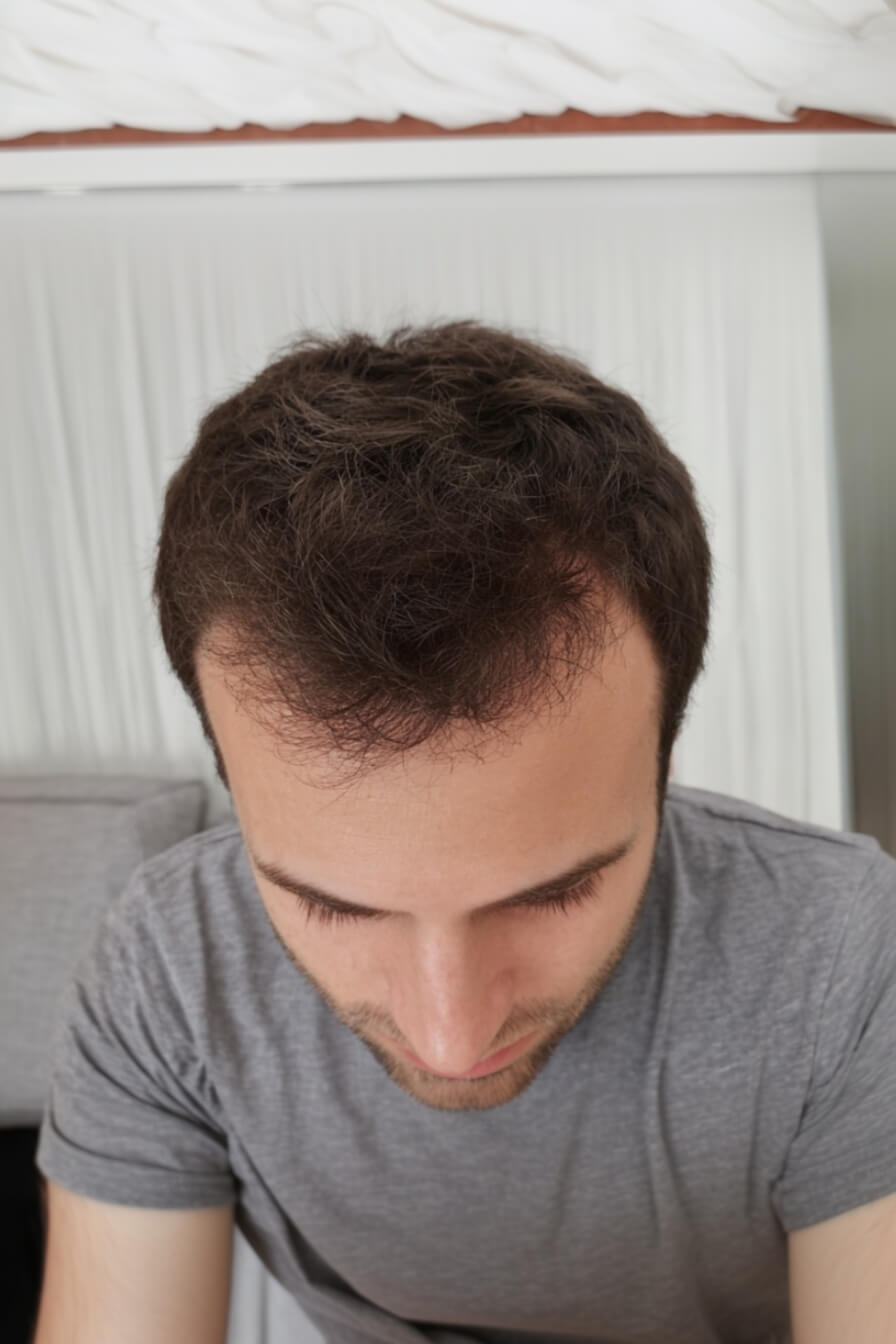
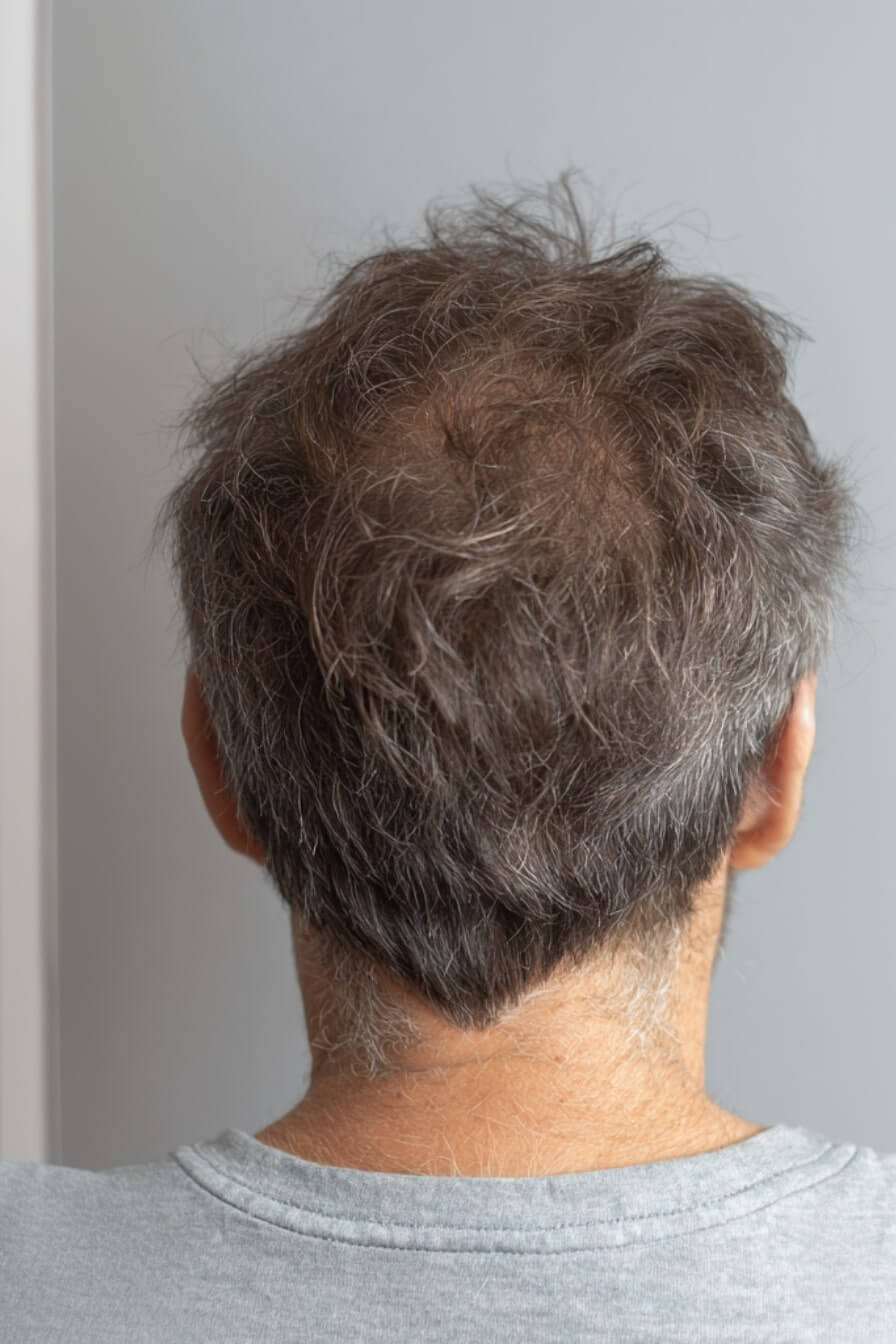
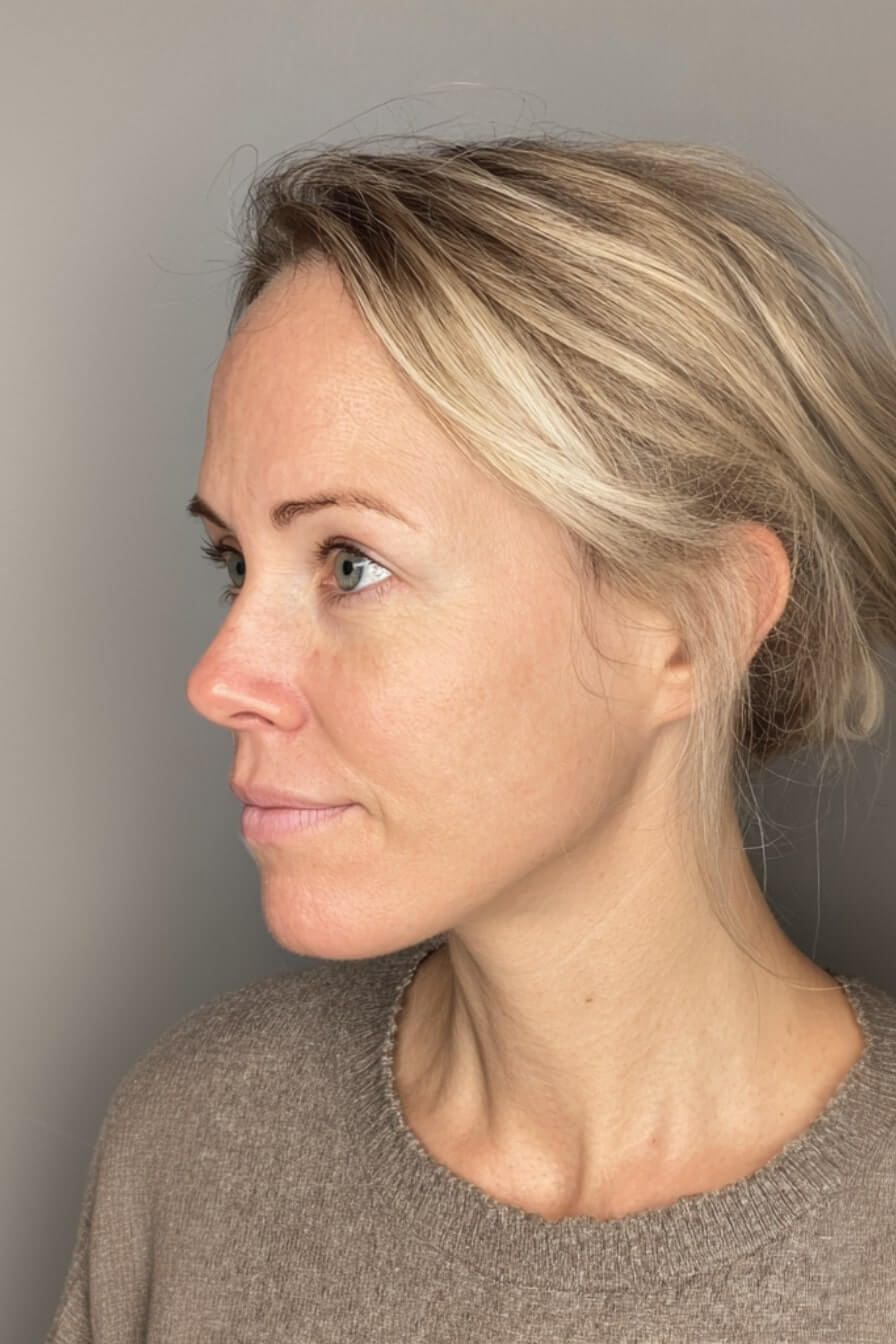
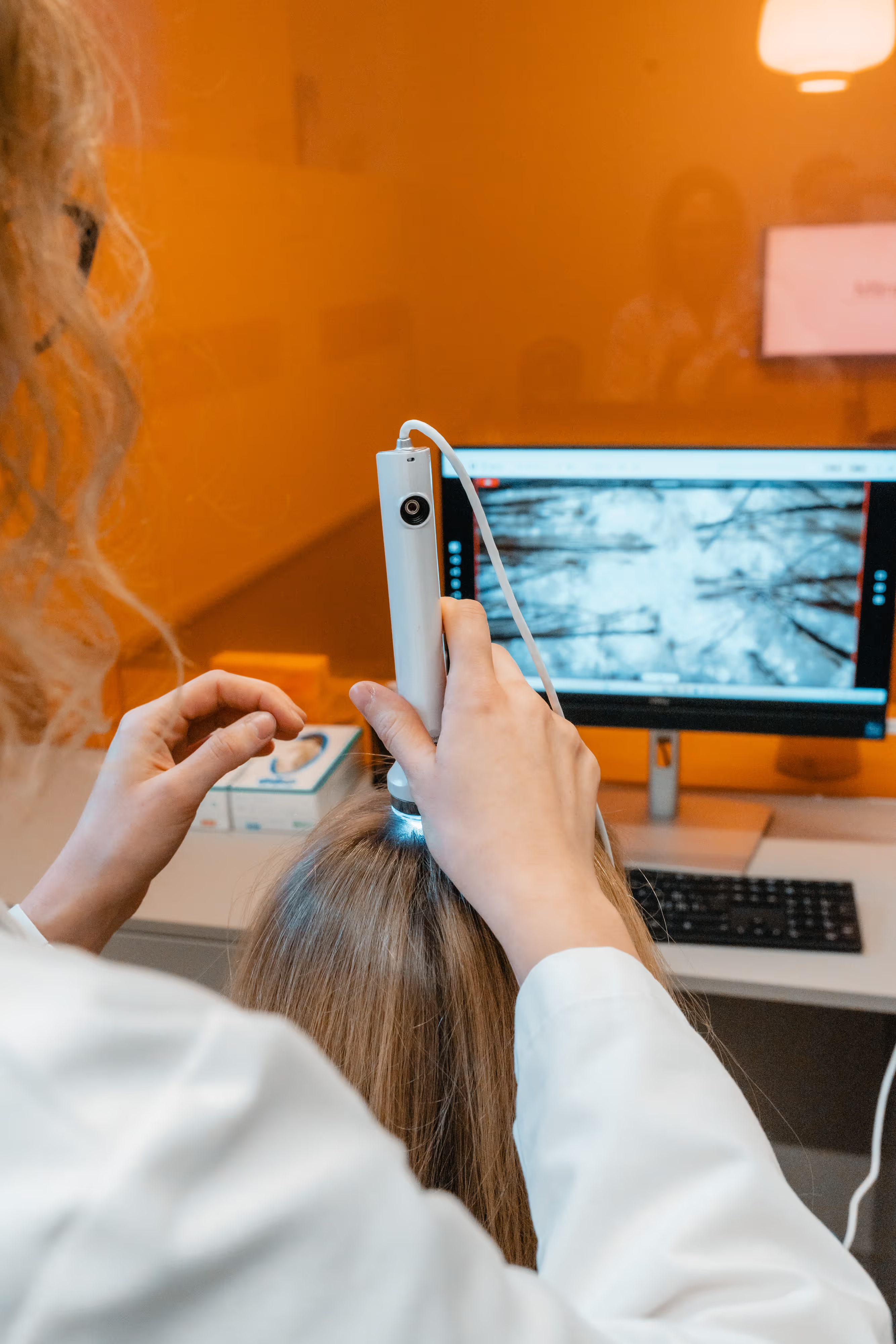
Chirurgisches Team von Māra bei einer FUE-Haartransplantation in Zürich

For women

Hair transplant for women

When a hair transplant makes sense for women, when it doesn't – and whether your hair needs to be shaved. Medical assessment in Zurich.

Individual treatment options

Types of hair loss in women

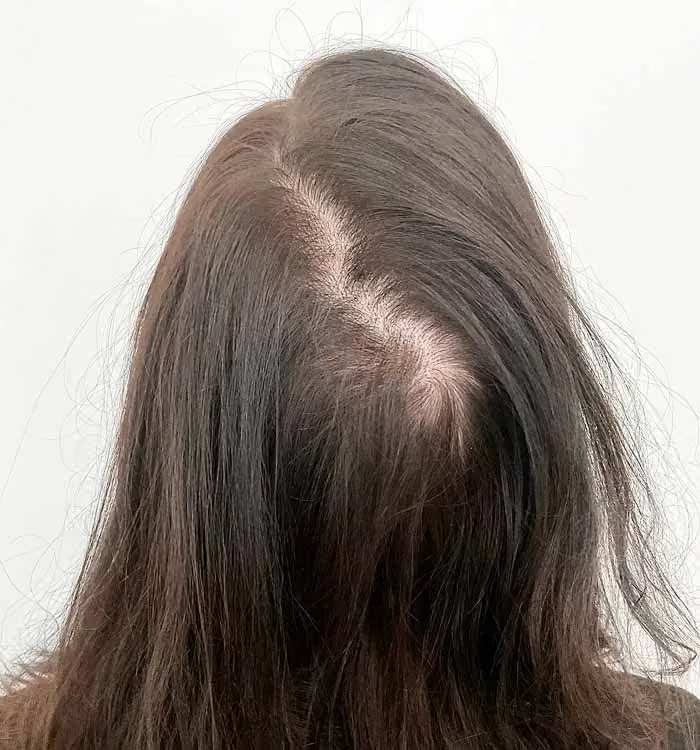
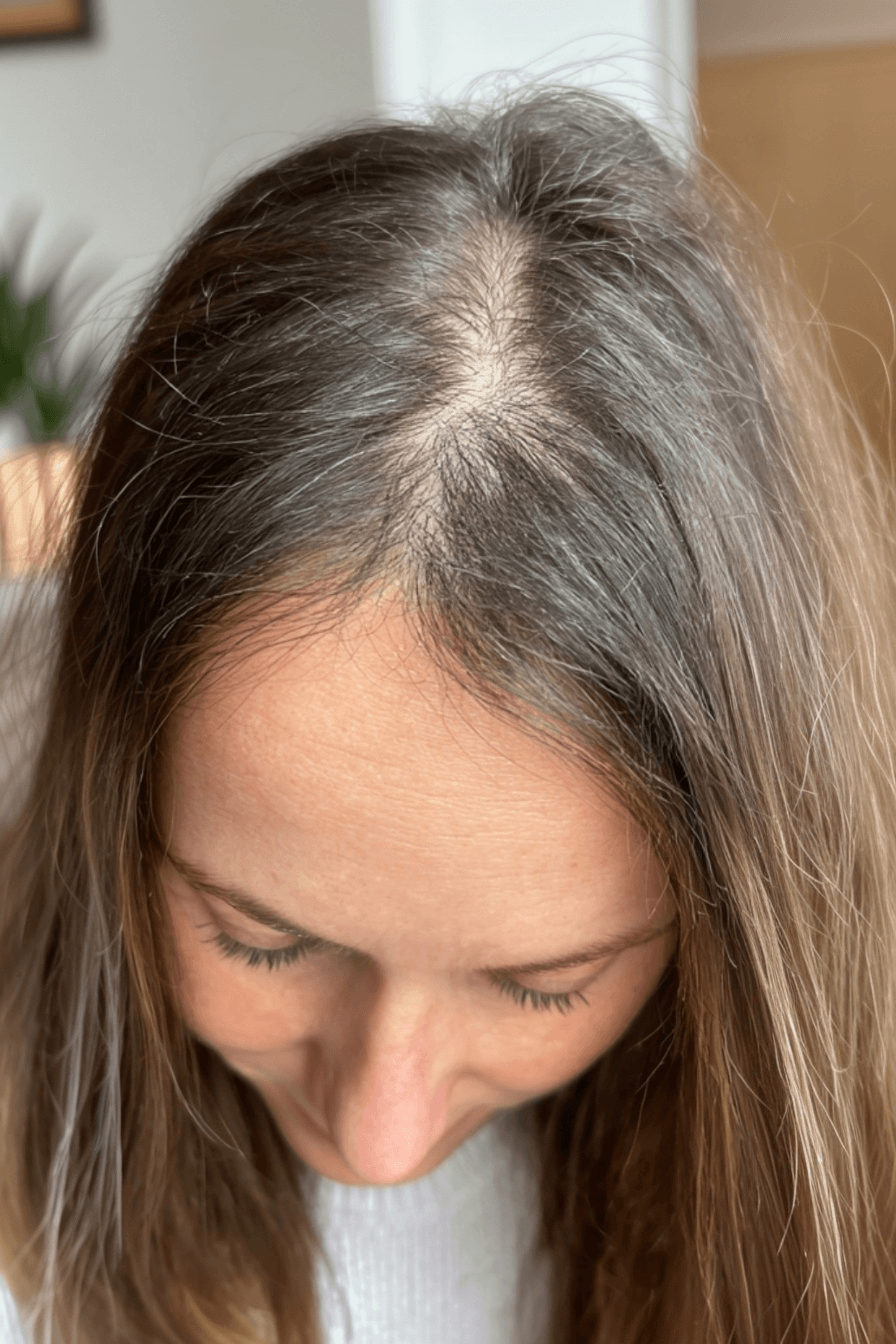
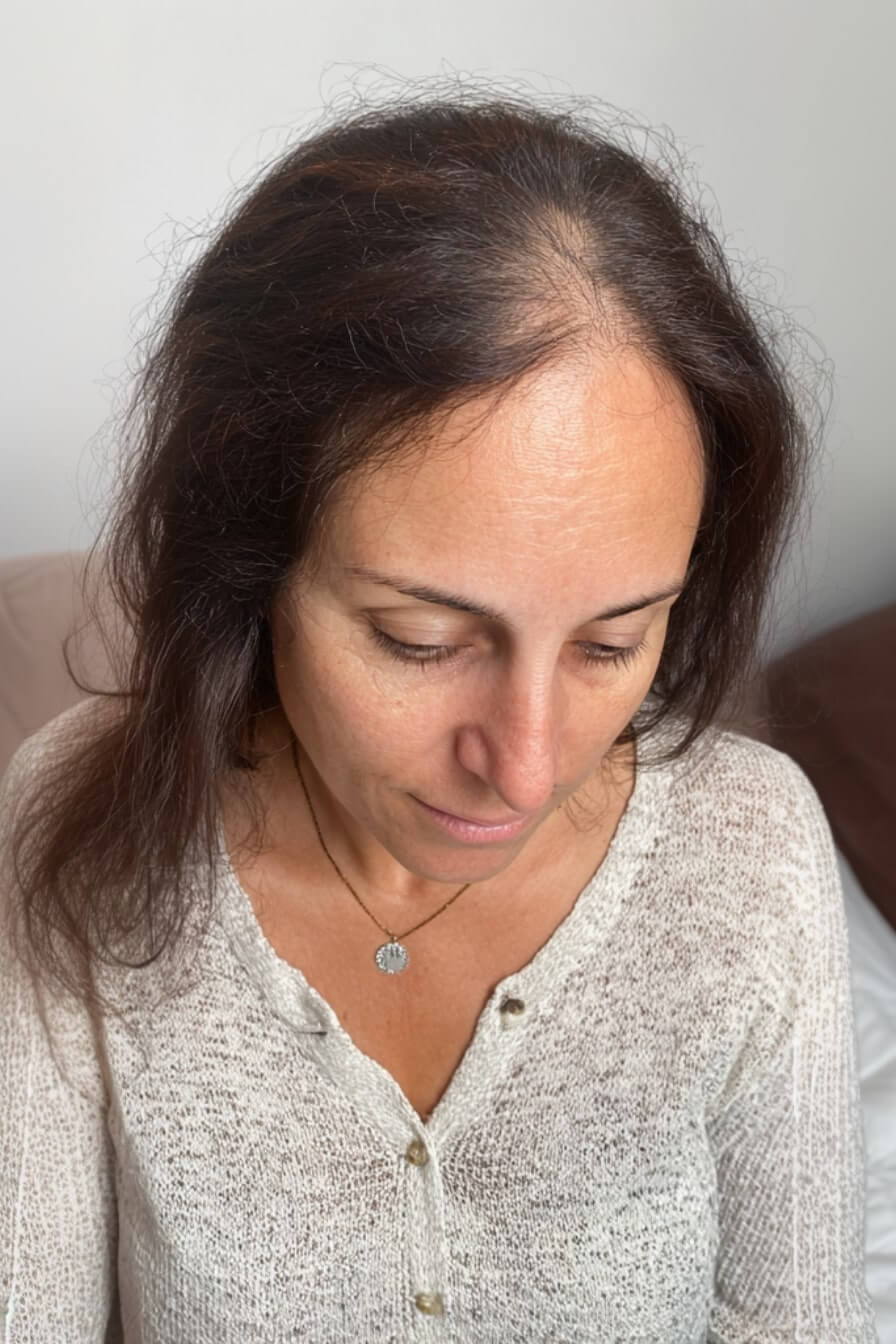
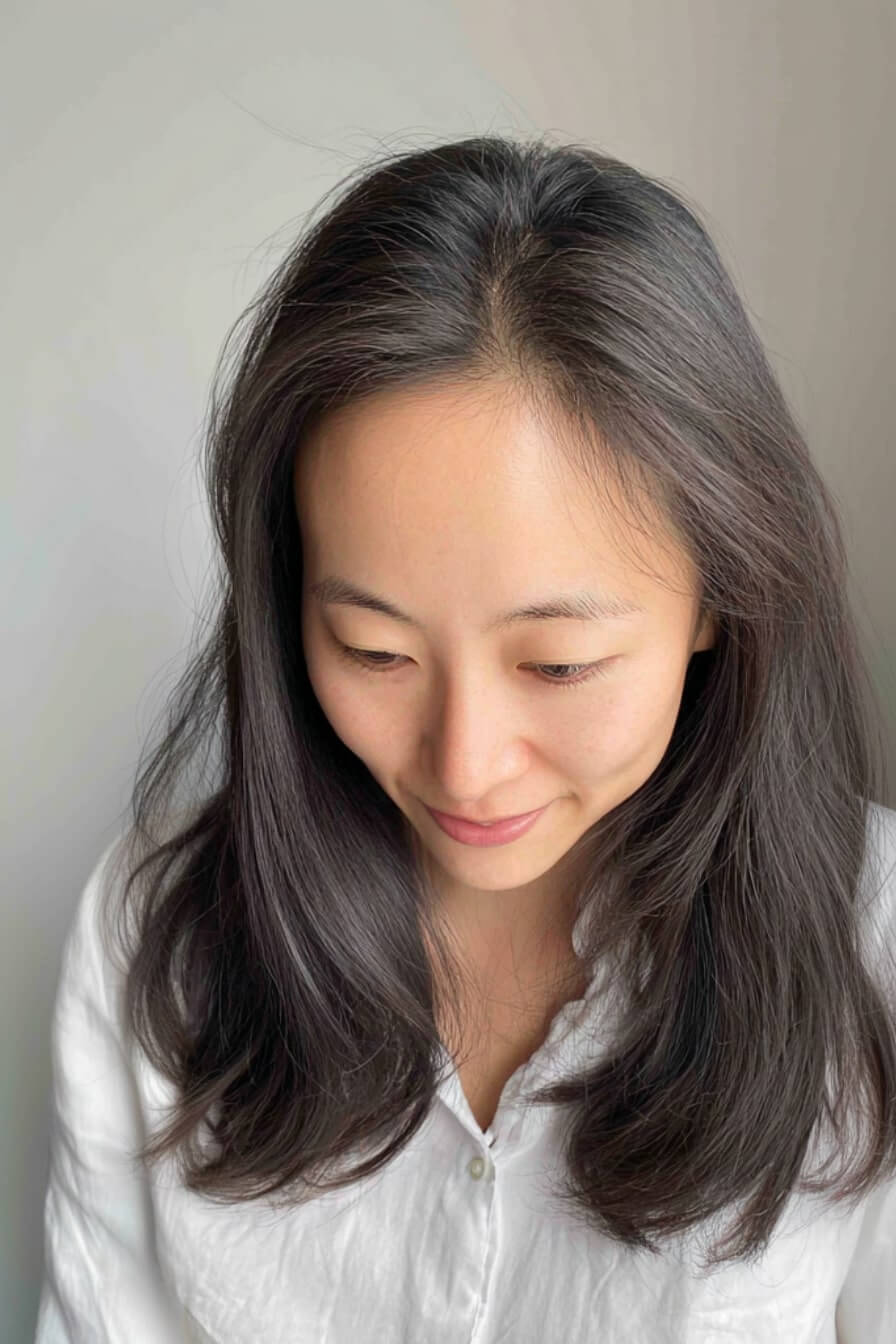
Androgenetische Alopezie bei einer Frau: ausgedünntes Haar entlang des Scheitels

Androgenetic alopecia

Androgenetic alopecia, also known as female pattern hair loss (FPHL), is a common condition in women. It is characterised by progressive thinning of the scalp hair, mainly at the front and along the parting.

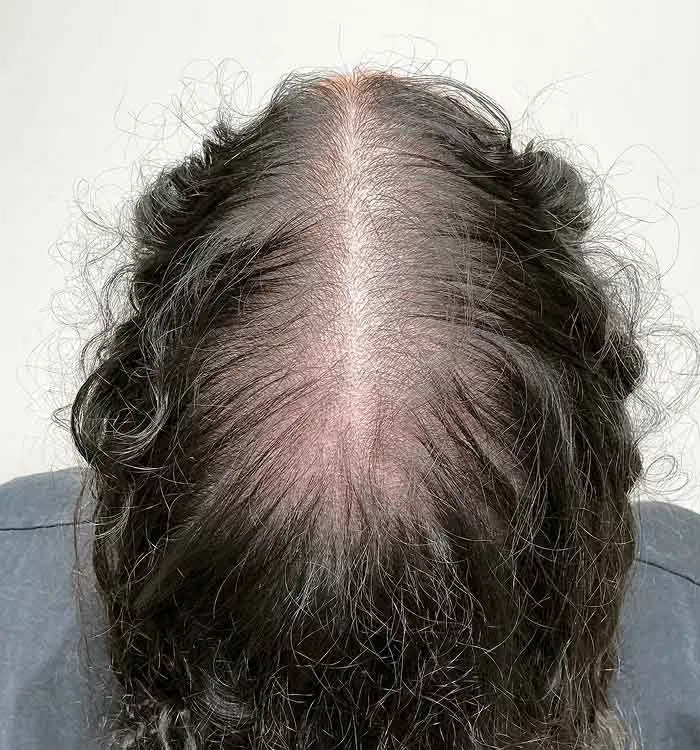
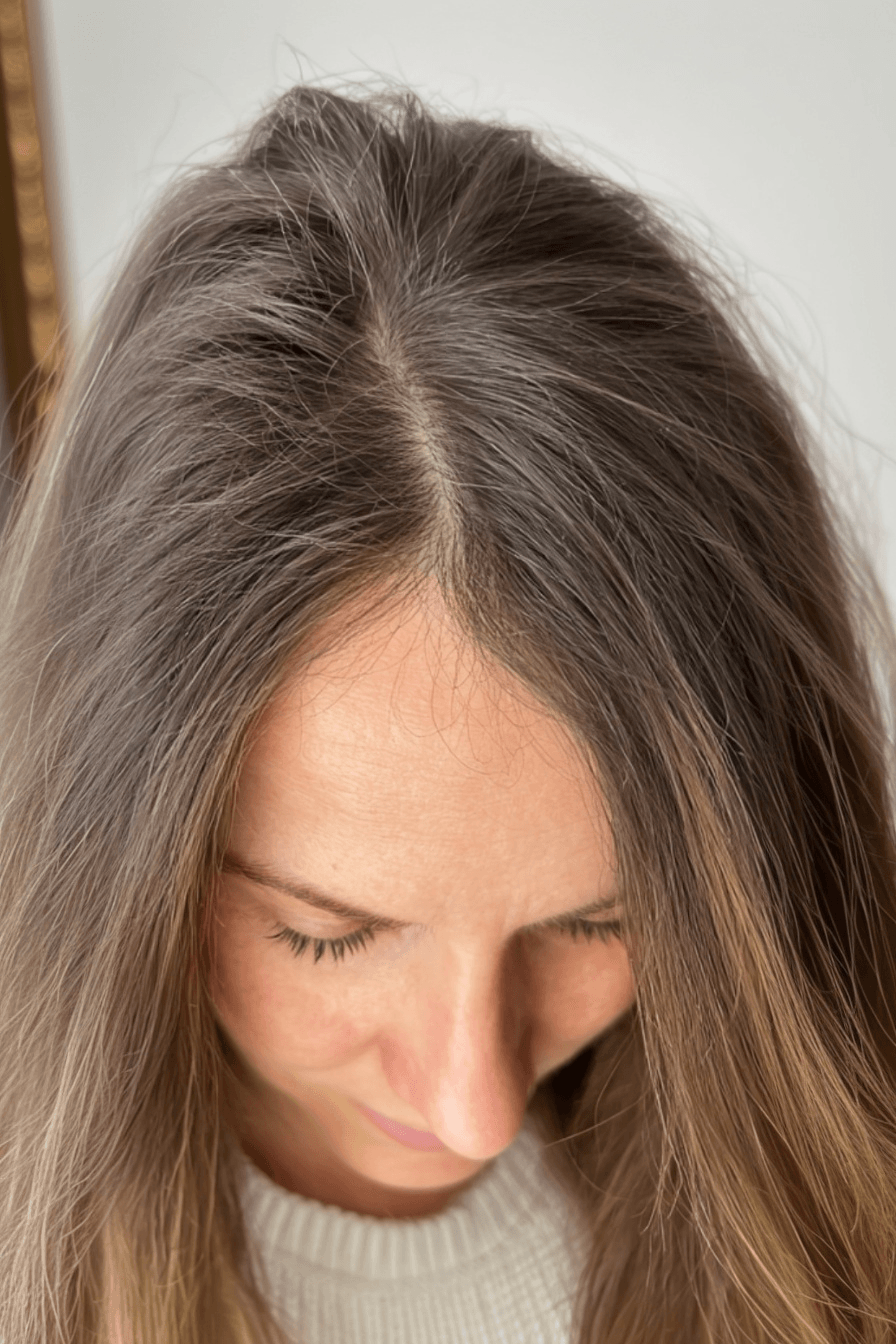
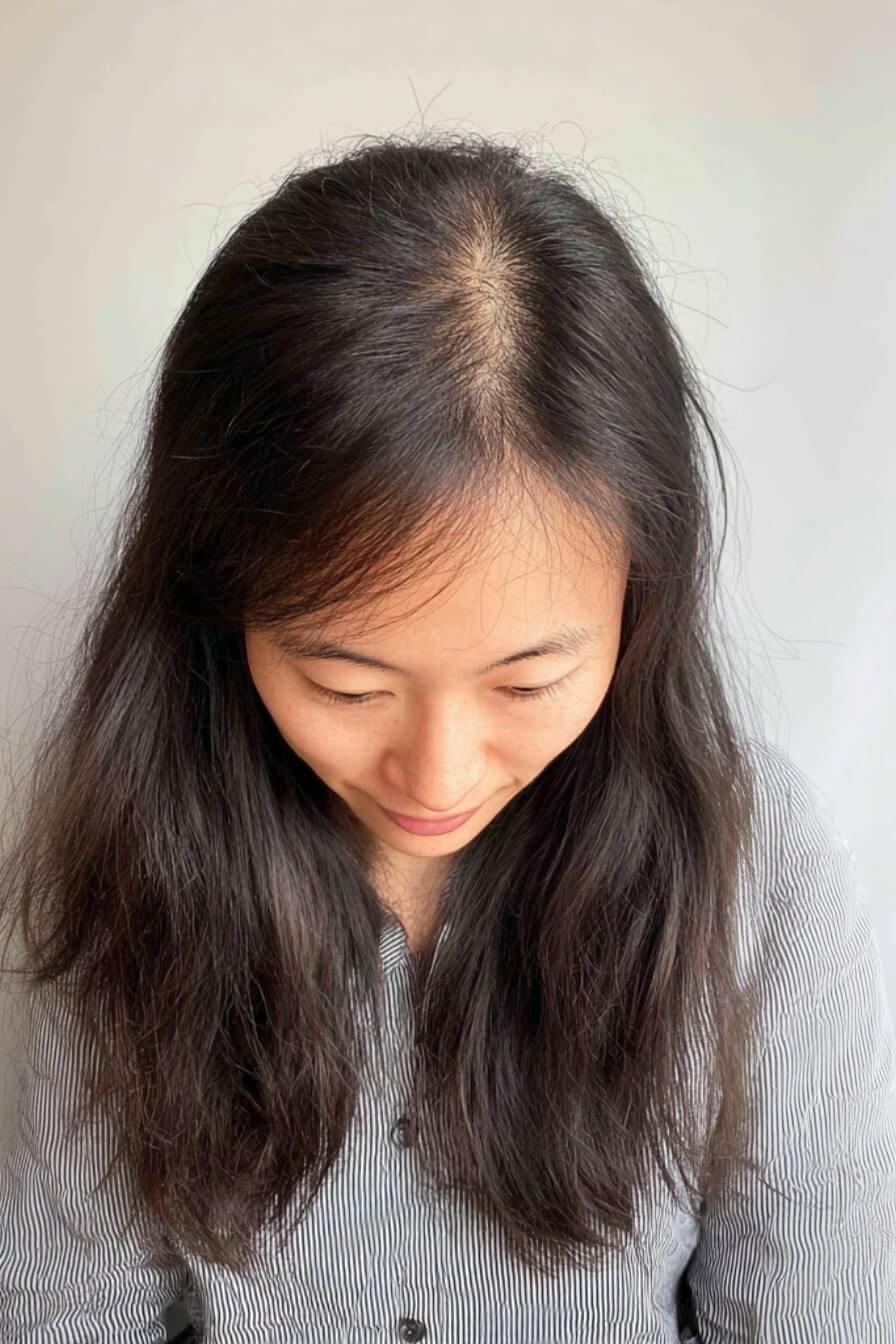
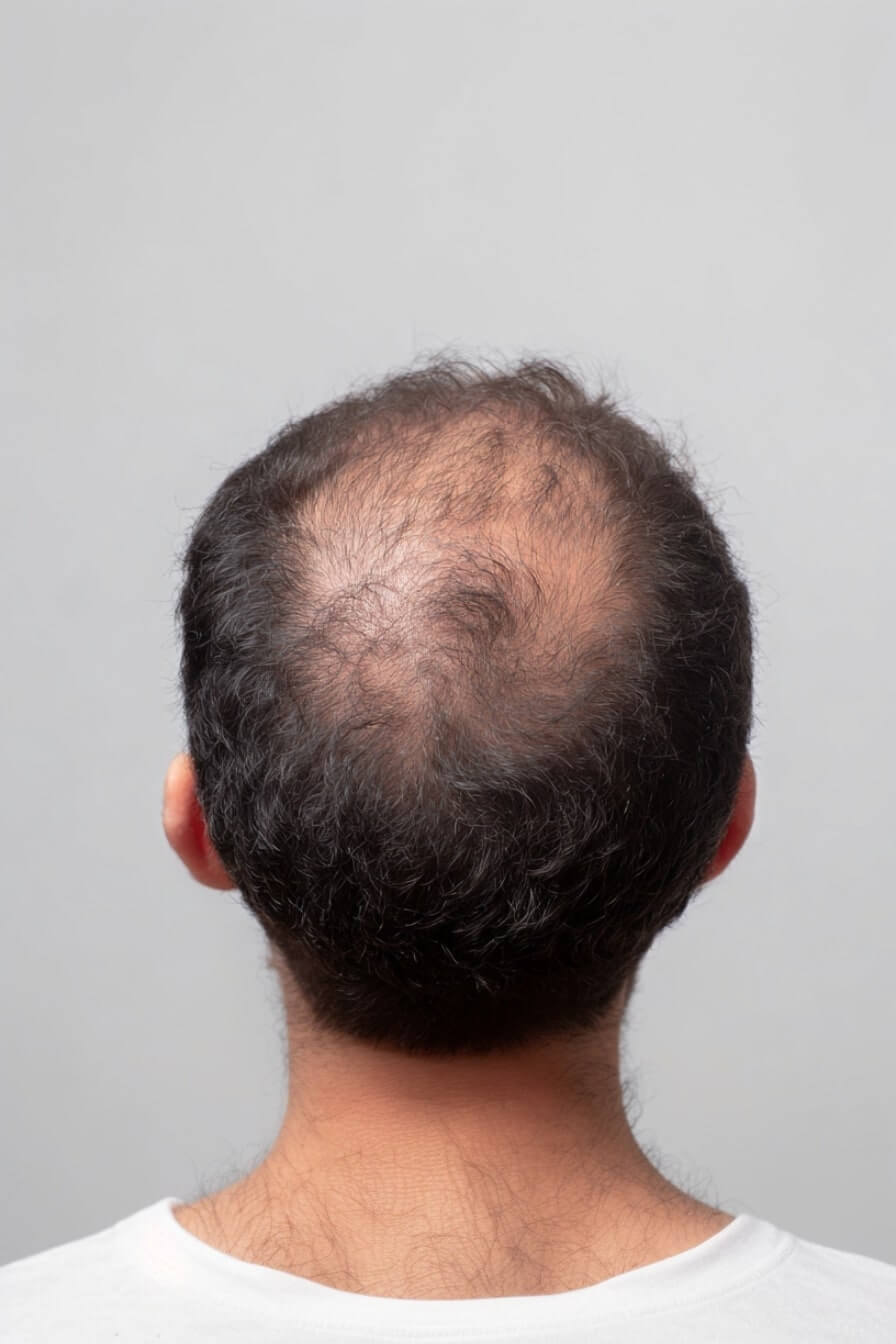
Diffuser Haarausfall bei einer Frau: weniger Haardichte über die ganze Kopfhaut

Diffuse hair loss

Diffuse hair loss describes a general reduction in hair density across the whole scalp, rather than loss limited to specific areas such as the hairline or the parting. It is characterised by an even decrease in hair thickness and volume, which makes the scalp more visible.

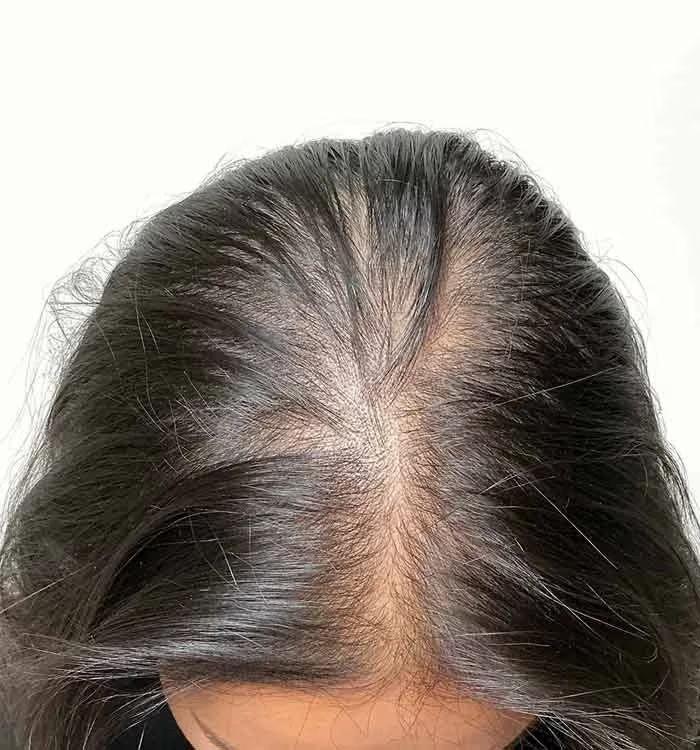
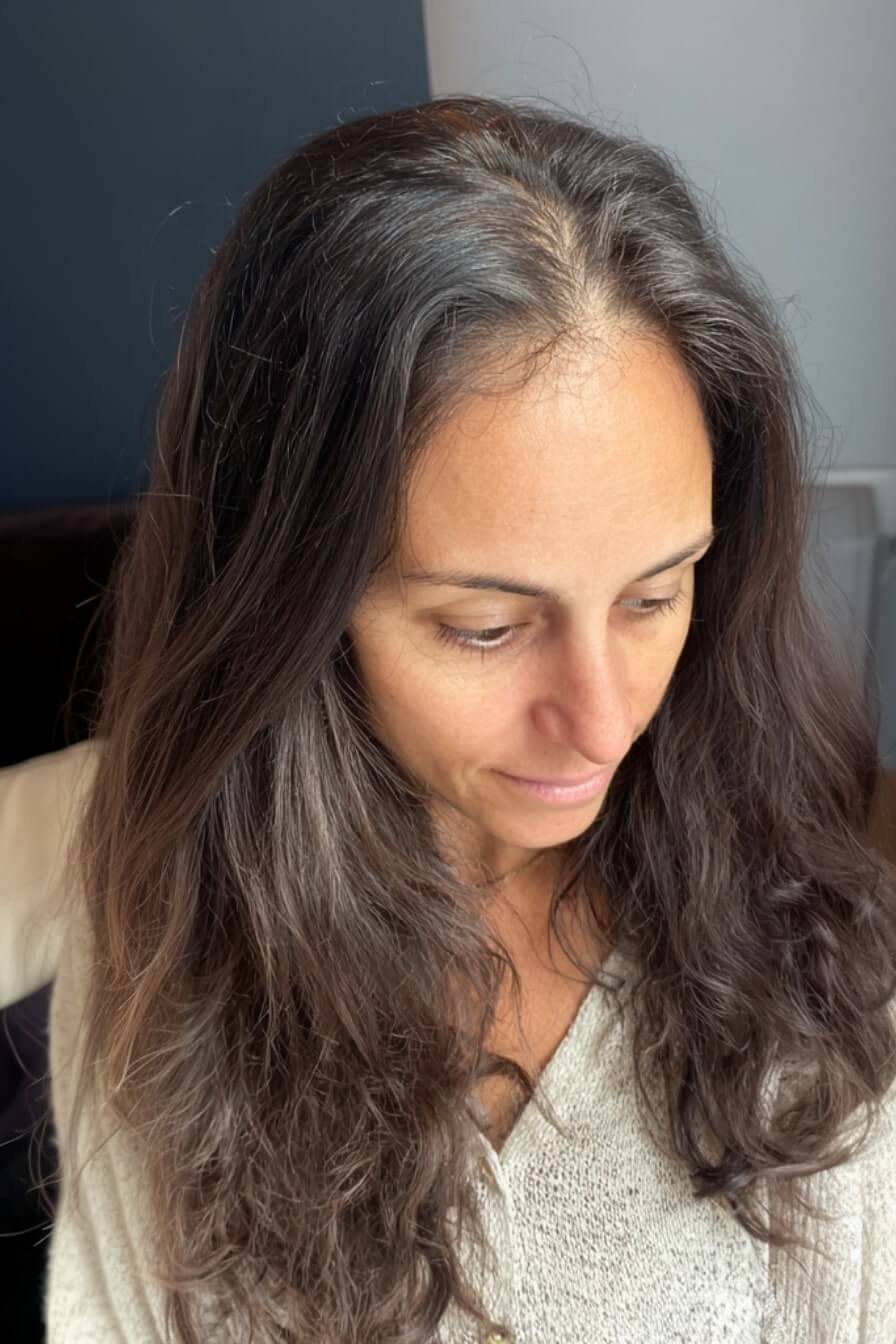
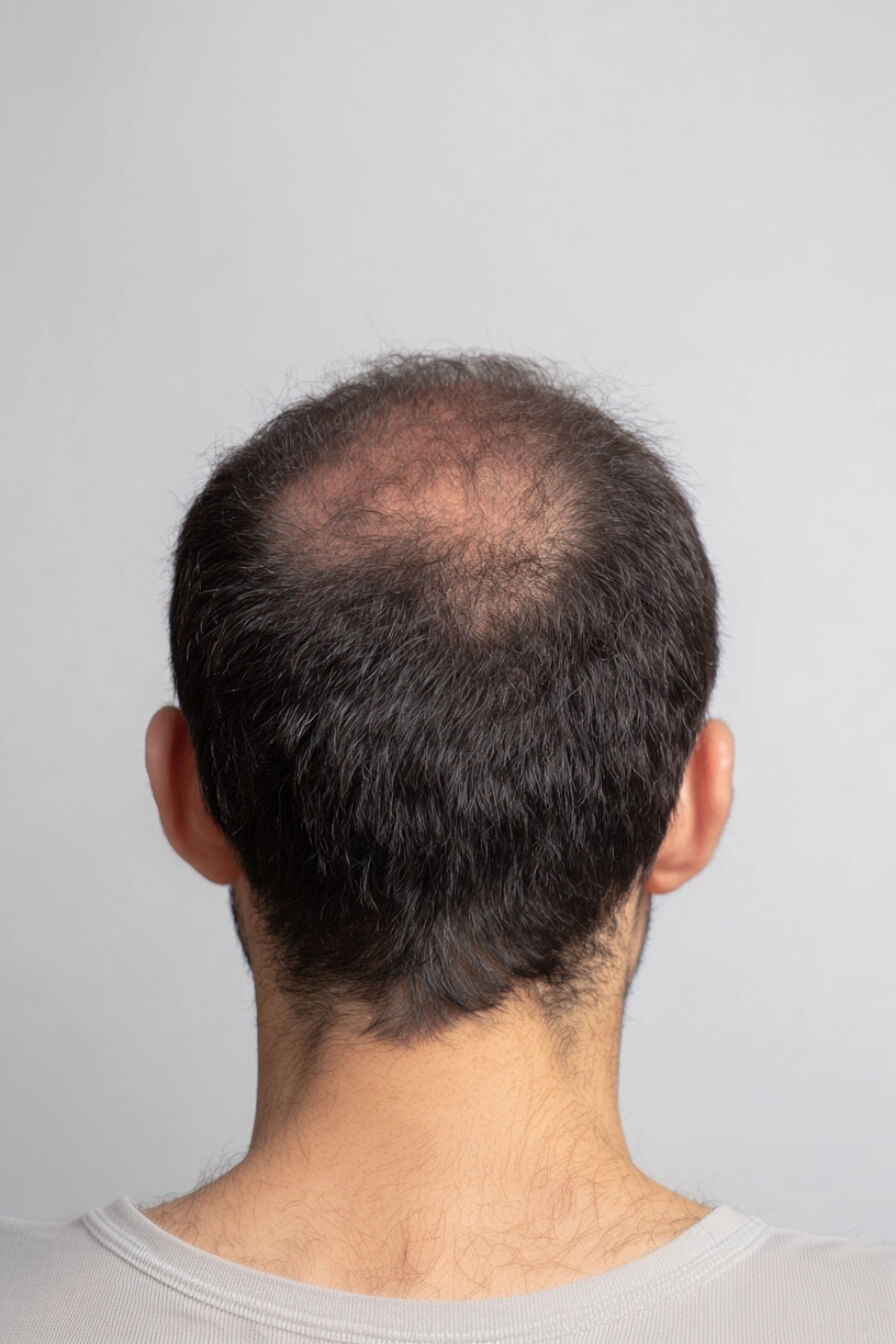
Haarausfall in den Wechseljahren: lichter werdendes Haar am Oberkopf einer Frau

Hair loss during menopause

Menopausal hair loss affects many women as early as perimenopause. The main cause is hormonal change – in particular a drop in oestrogen and progesterone and a relative rise in androgens such as testosterone.

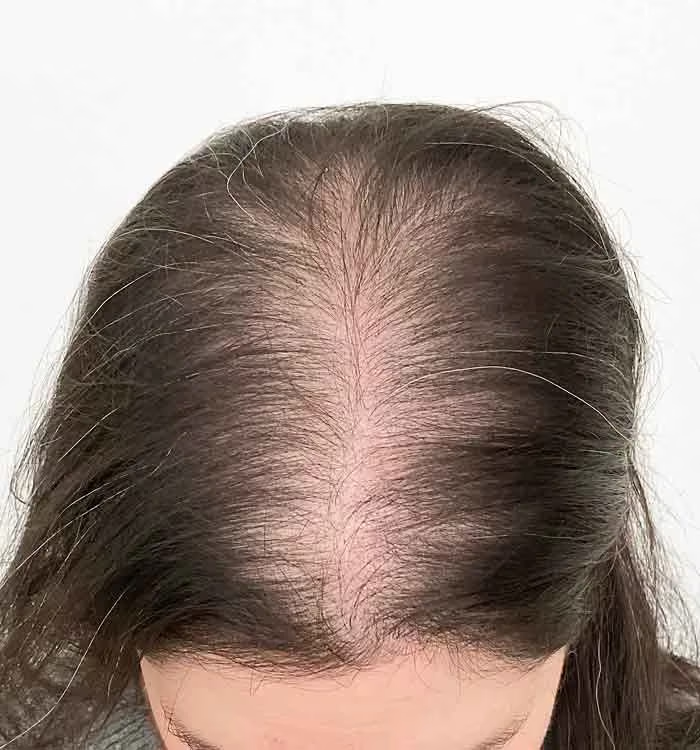
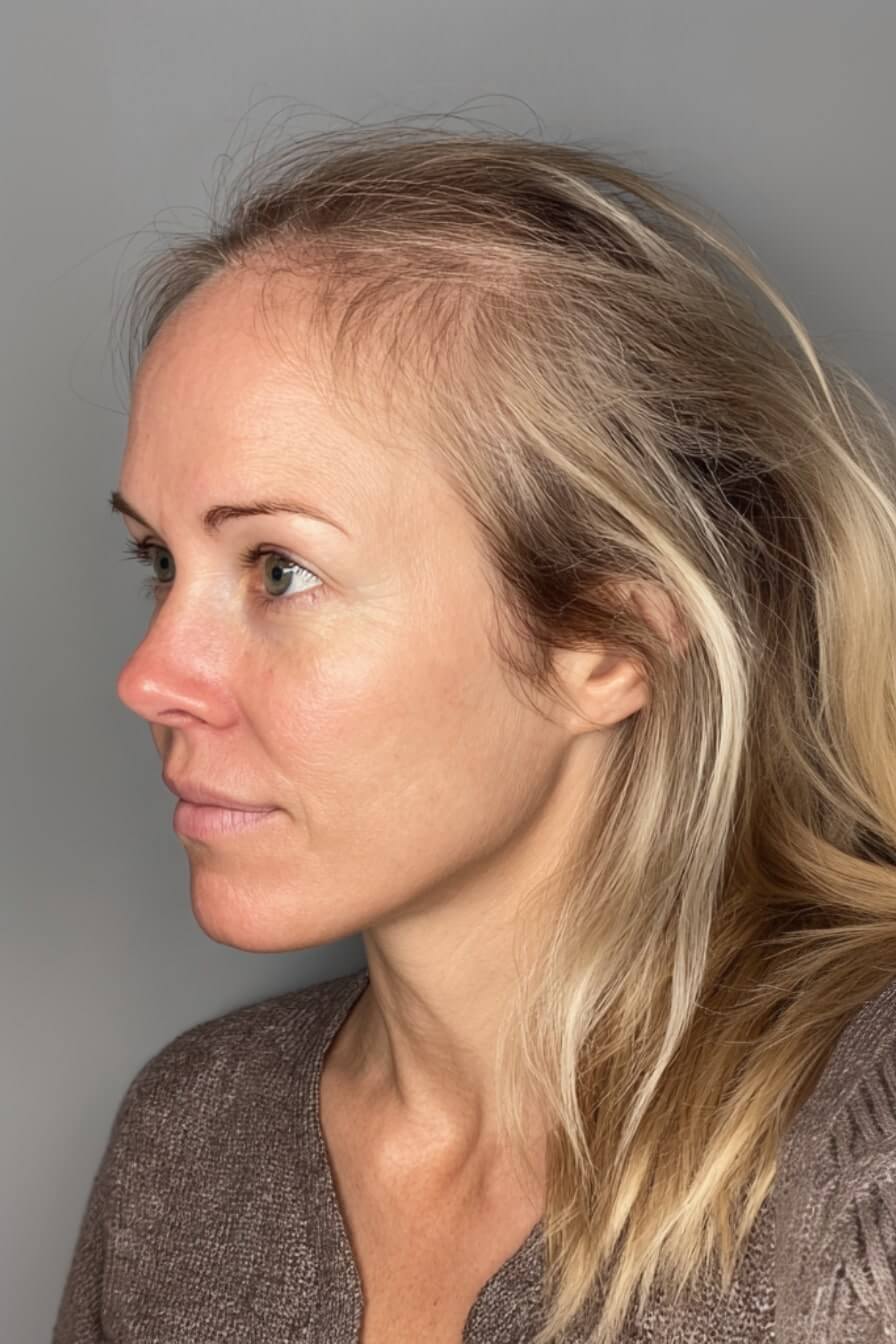
Haarausfall nach der Schwangerschaft: diffus ausgedünntes Haar bei einer Frau

Hair loss after pregnancy

Postpartum hair loss, a form of telogen effluvium, is a common condition in which women temporarily lose hair after giving birth. It is caused by the major hormonal changes that follow birth, especially the drop in oestrogen levels.

Clarified upfront

Diagnostics before a hair transplant

Before every hair transplant, Māra checks whether the donor area, scalp and overall health are ready for the procedure. This assessment is the medical prerequisite for a responsible result.

Hair diagnostic analysis
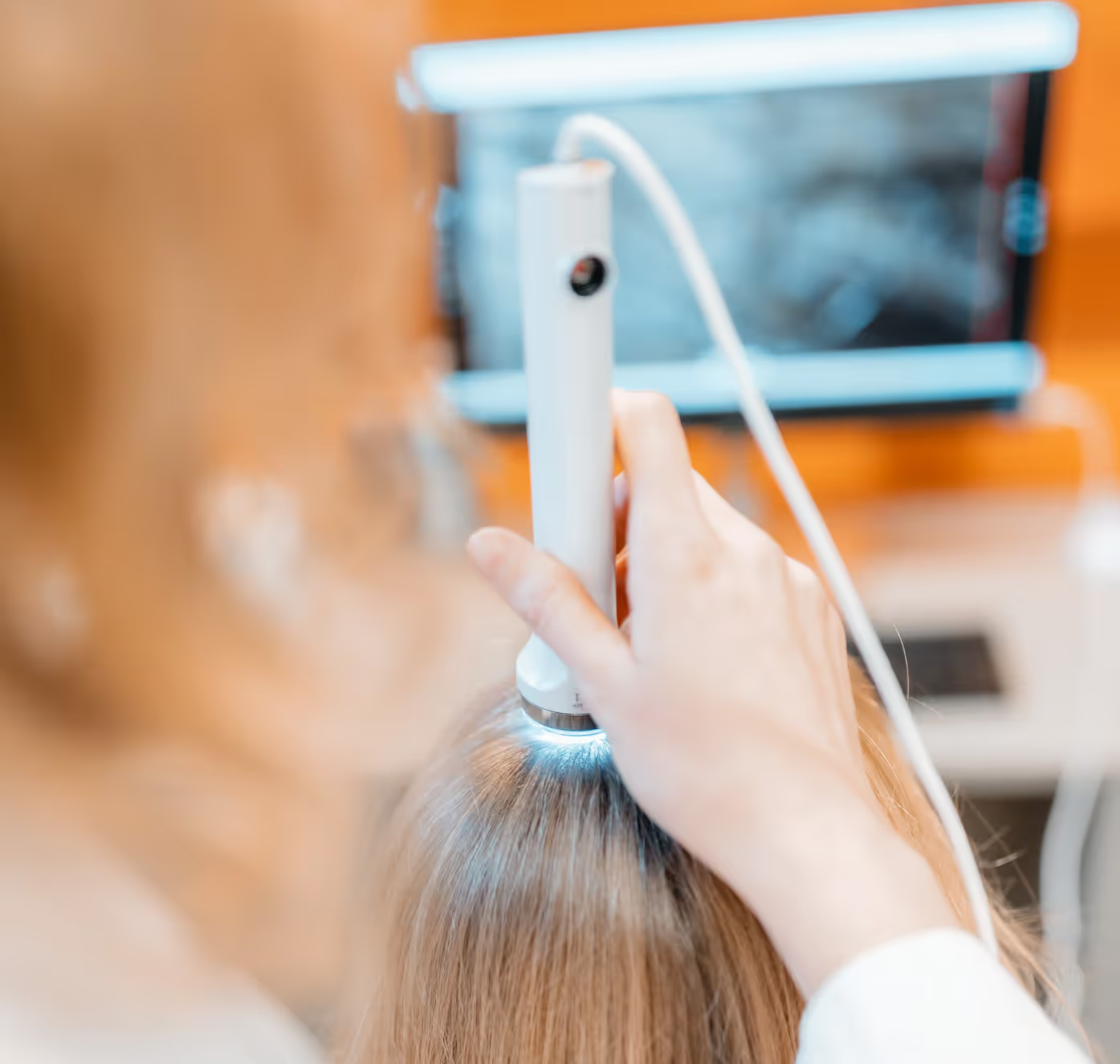
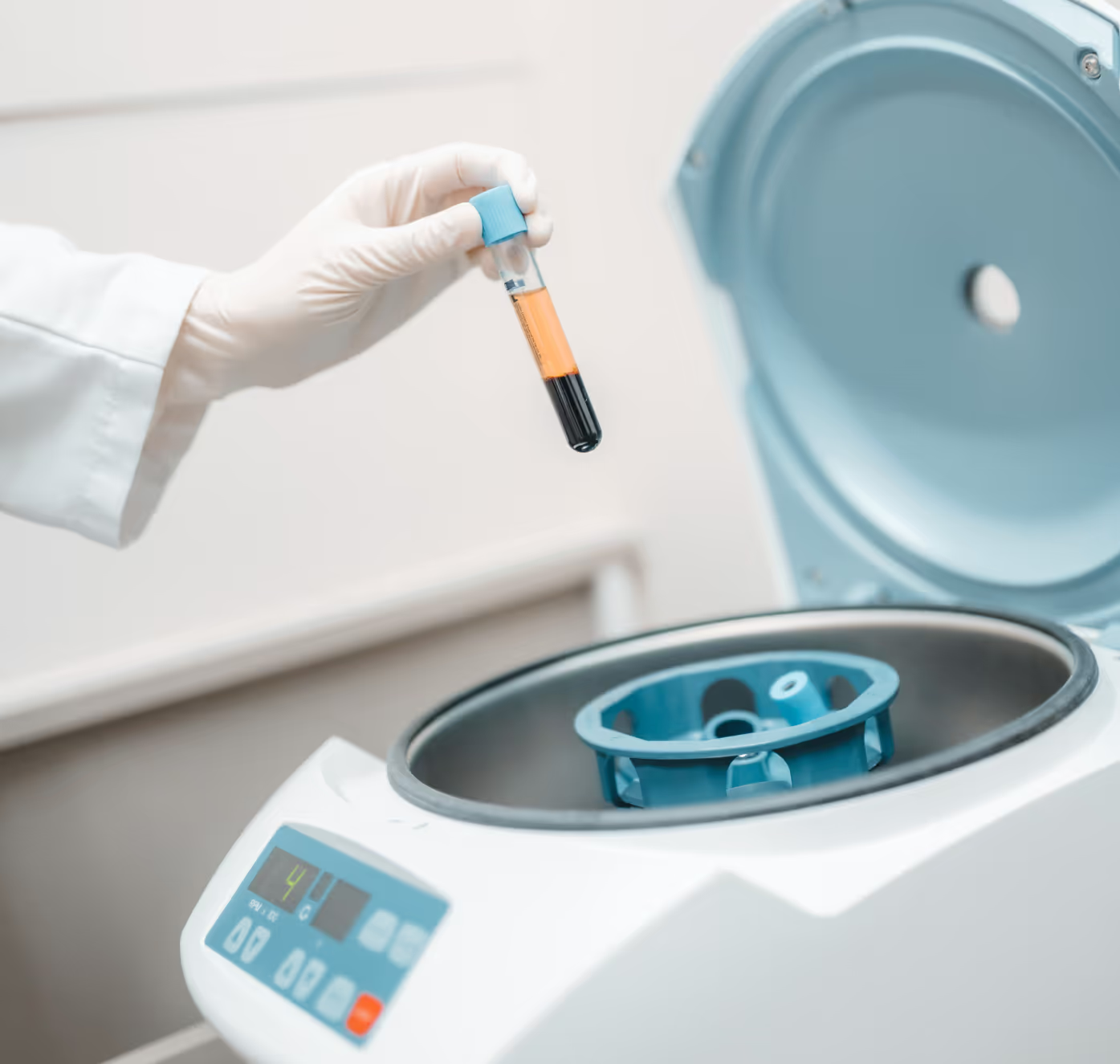
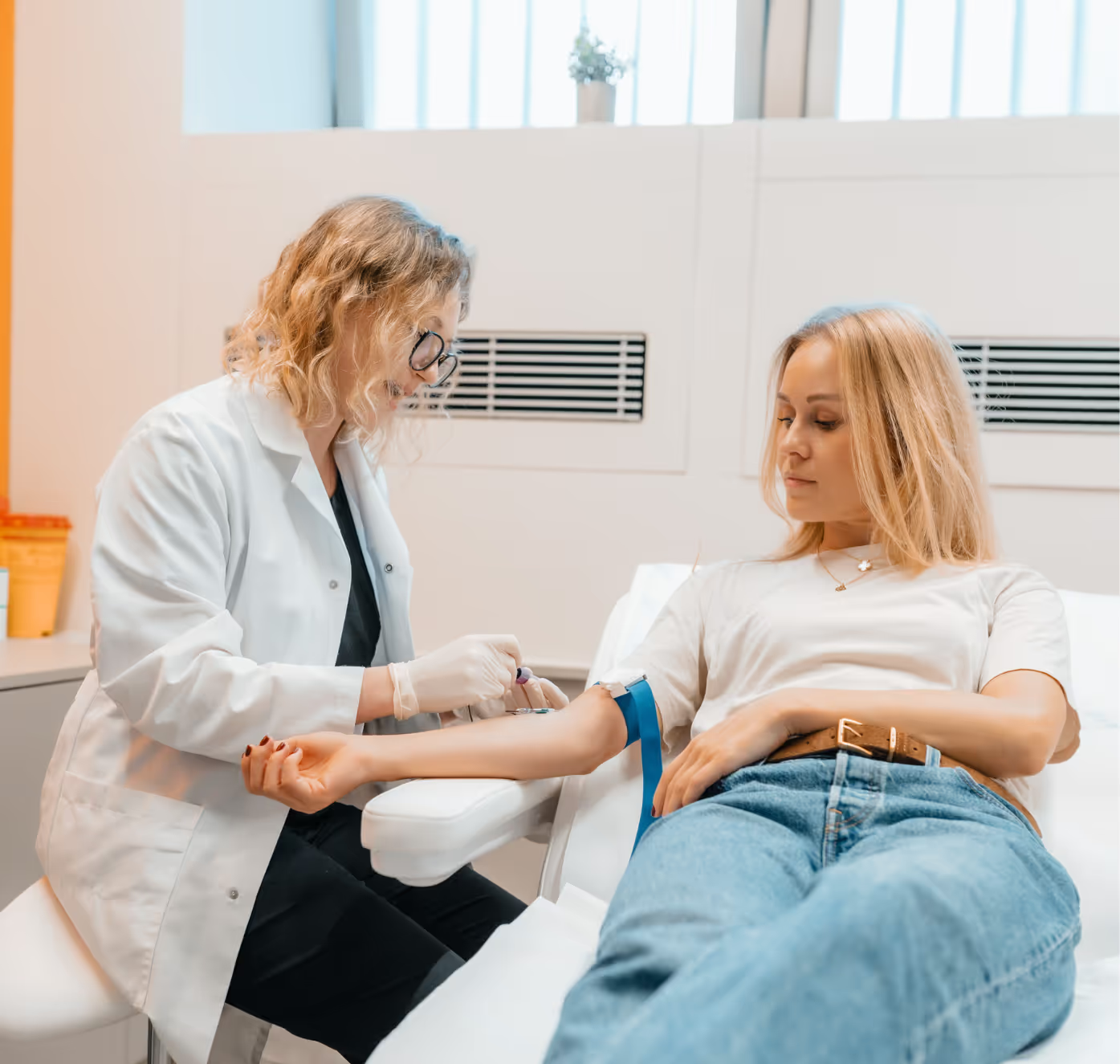
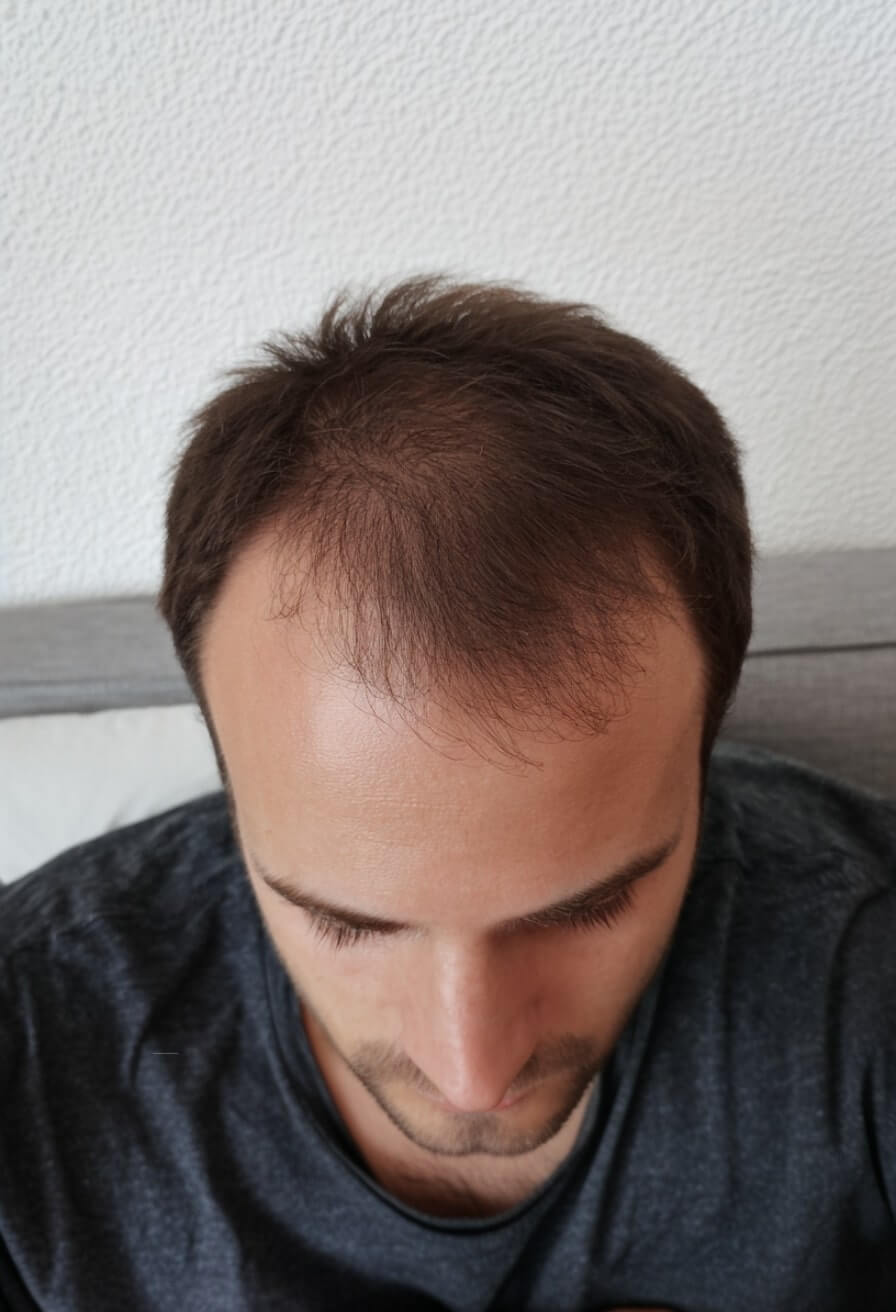
The diagnostic analysis combines medical history, microscopic scalp imaging and internal blood markers.
Medical history source

Medical history: pattern, timing, triggers, treatments and health context.

Scalp imaging source

Scalp imaging: magnified assessment of donor density, miniaturisation and recipient quality.

Blood panel source

Blood panel: internal markers and hormones that influence healing and sustainable growth.

Medical history

Your medical background

We discuss family history, how your hair loss has progressed, previous therapies (minoxidil, finasteride, etc.), other conditions and realistic expectations in detail.
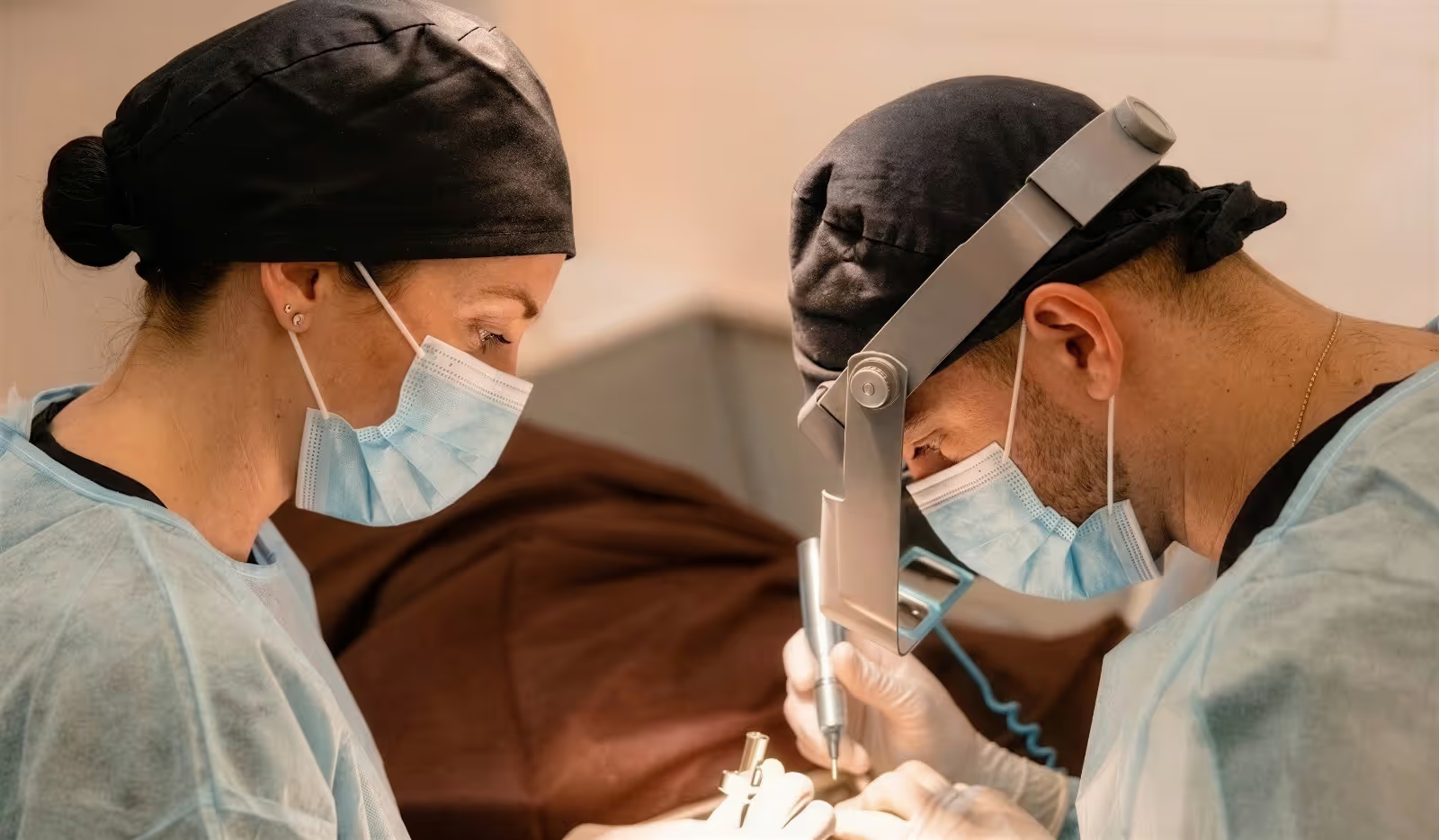
Trichoscopy

Scalp imaging

Digital hair analysis and photo documentation from several angles. Hair density, degree of miniaturisation and donor area quality are assessed under magnification.

Blood test

Blood panel

Internal markers and hormones help assess healing capacity and sustainable growth. Contraindications such as uncontrolled diabetes or clotting disorders are ruled out beforehand.

Individual plan

The final recommendation balances donor density, the stability of your hair loss, blood values and aesthetic goals. Only then are the graft count, hairline and cost estimate confirmed.

Understanding hair restoration

FUE hair transplant in Zurich

A hair transplant doesn't create new hair – it relocates genetically robust follicles from the donor area at the back of the head to thinning or bald areas. Because it is your own hair, it keeps growing in its new place for life.

The biological concept

Relocating hair follicles

Permanent Zone

The back and sides of the head contain DHT-resistant follicles. This “donor area” is the biological prerequisite for a stable result and is analysed closely before every surgery (hair density, hair thickness, quality).

Redistribution

FUE hair transplantation redistributes existing follicular units: single-hair grafts at the hairline for a soft transition, 2- to 4-hair grafts behind it for density. A frontal reconstruction typically uses 1,500–3,000 grafts.

Viability

Every follicular unit is living tissue. Constant hydration in a nutrient solution, short handling times and precise placement determine how many grafts survive.
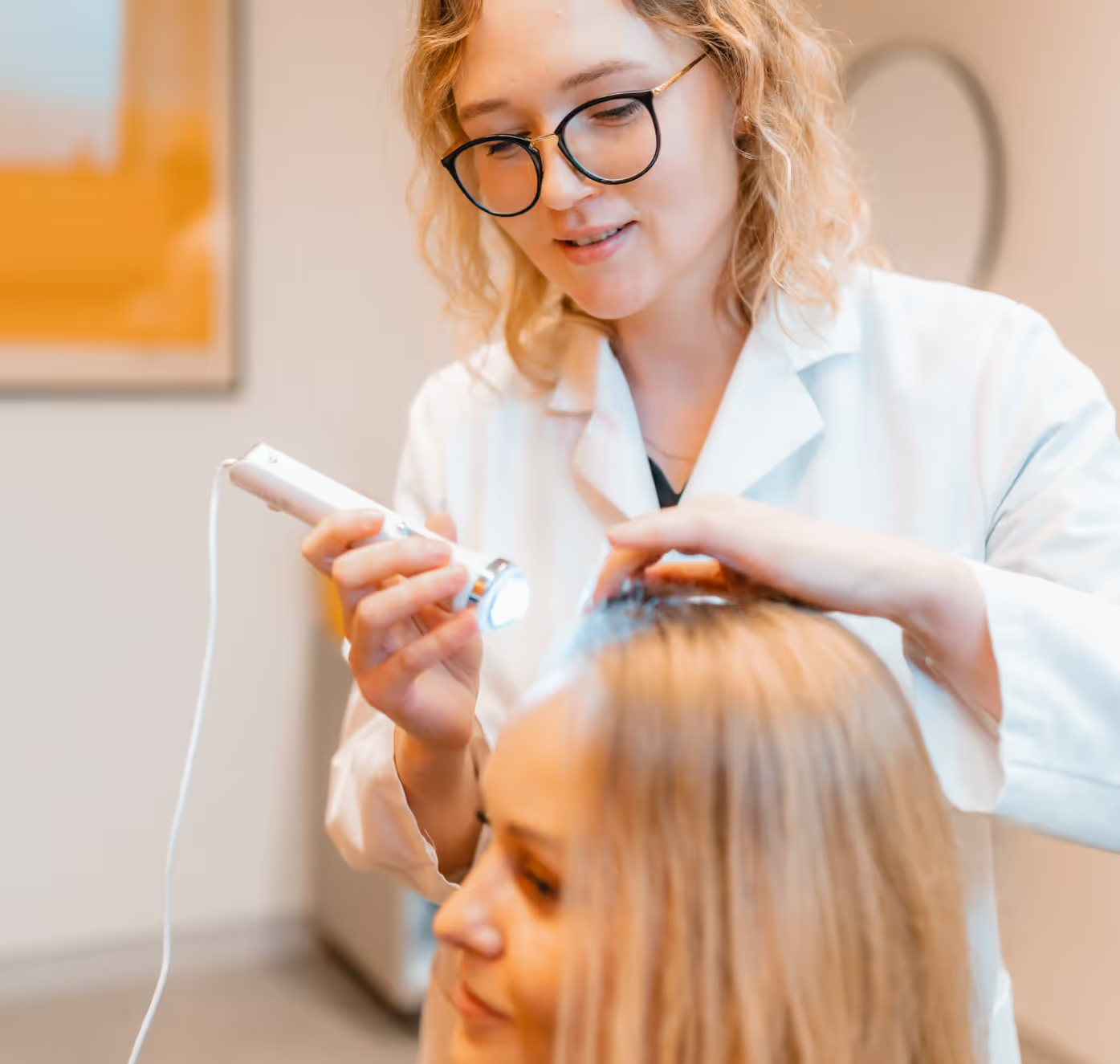
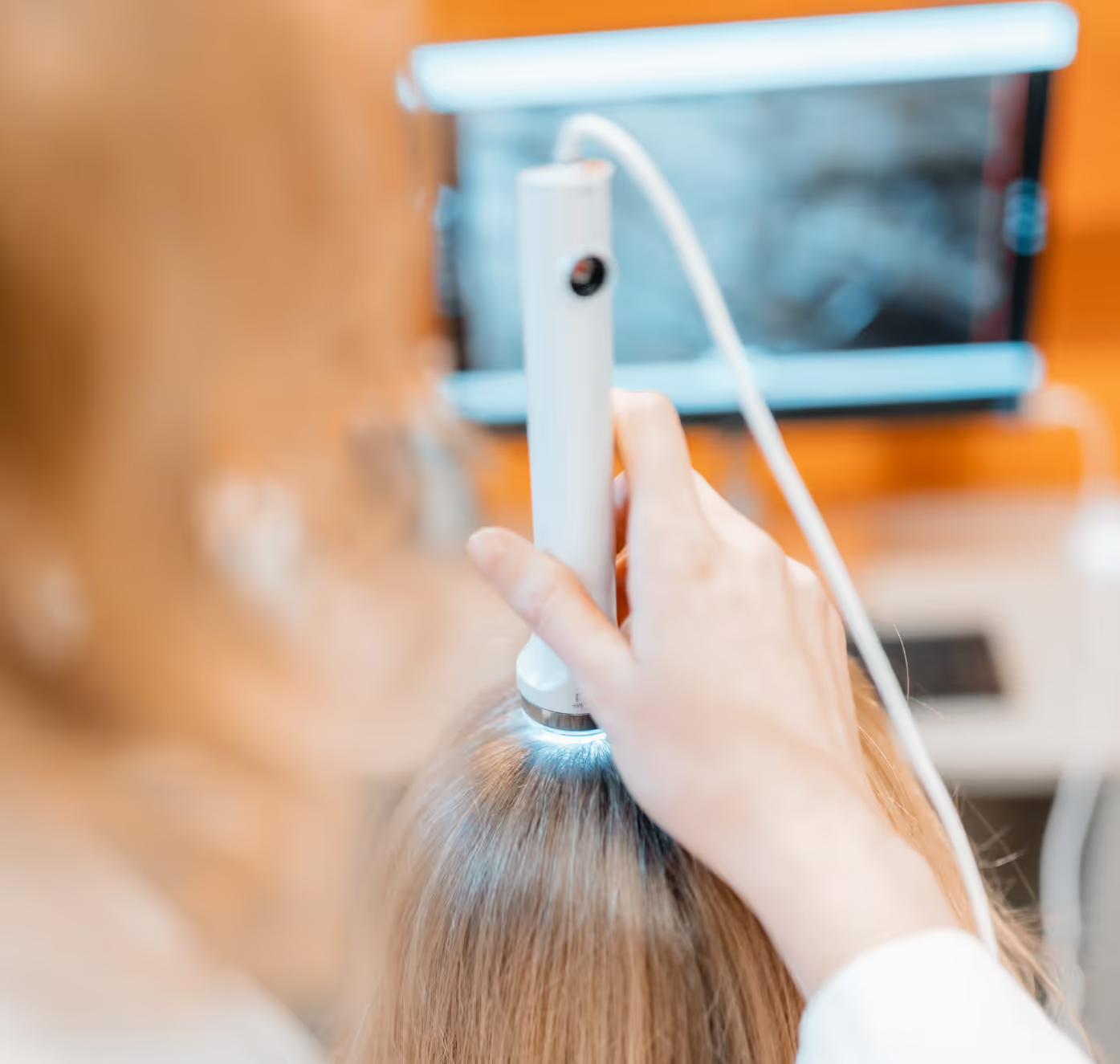
Hair analysis consultation at Māra
Hair analysis as the start of therapy
Trichoskopische Haaranalyse am Hinterkopf einer Patientin

For women

How we treat at Māra

Hair loss in women, also known as female pattern hair loss or androgenetic alopecia, is mainly caused by a combination of genetics, hormones and age. Other factors such as stress, illness, nutrient deficiencies and certain medications can also contribute.

Step 1

Regenerative therapies

With PRP and exosomes, we activate your hair follicles’ own ability to regenerate. Plasma from your own blood, rich in natural growth factors, and highly active cellular messengers stimulate the hair roots, improve blood flow to the scalp and support healthy, natural hair growth. Especially effective in early to intermediate stages – minimally invasive and with no downtime.

Step 2

Vital therapy

Healthy hair starts from within. Based on your blood values, we develop an individually dosed combination of micronutrients, vitamins and trace elements, complemented by tailored care for scalp and hair. This gives your body exactly what it needs for sustainable hair growth – measurably and over the long term.

Step 3

Hair transplant

When hair follicles have already withered and can no longer regenerate, we restore your hairline permanently with a modern hair transplant. The procedure is performed by doctors and planned individually – combined with PRP treatment if you wish, so the transplanted roots heal in better. Whether a transplant is right for you is something we assess carefully as part of our diagnostics.

Book free hair analysis

Results

Visible results

Real before-and-after results from individual Māra treatment plans. Swipe or navigate to see more cases.
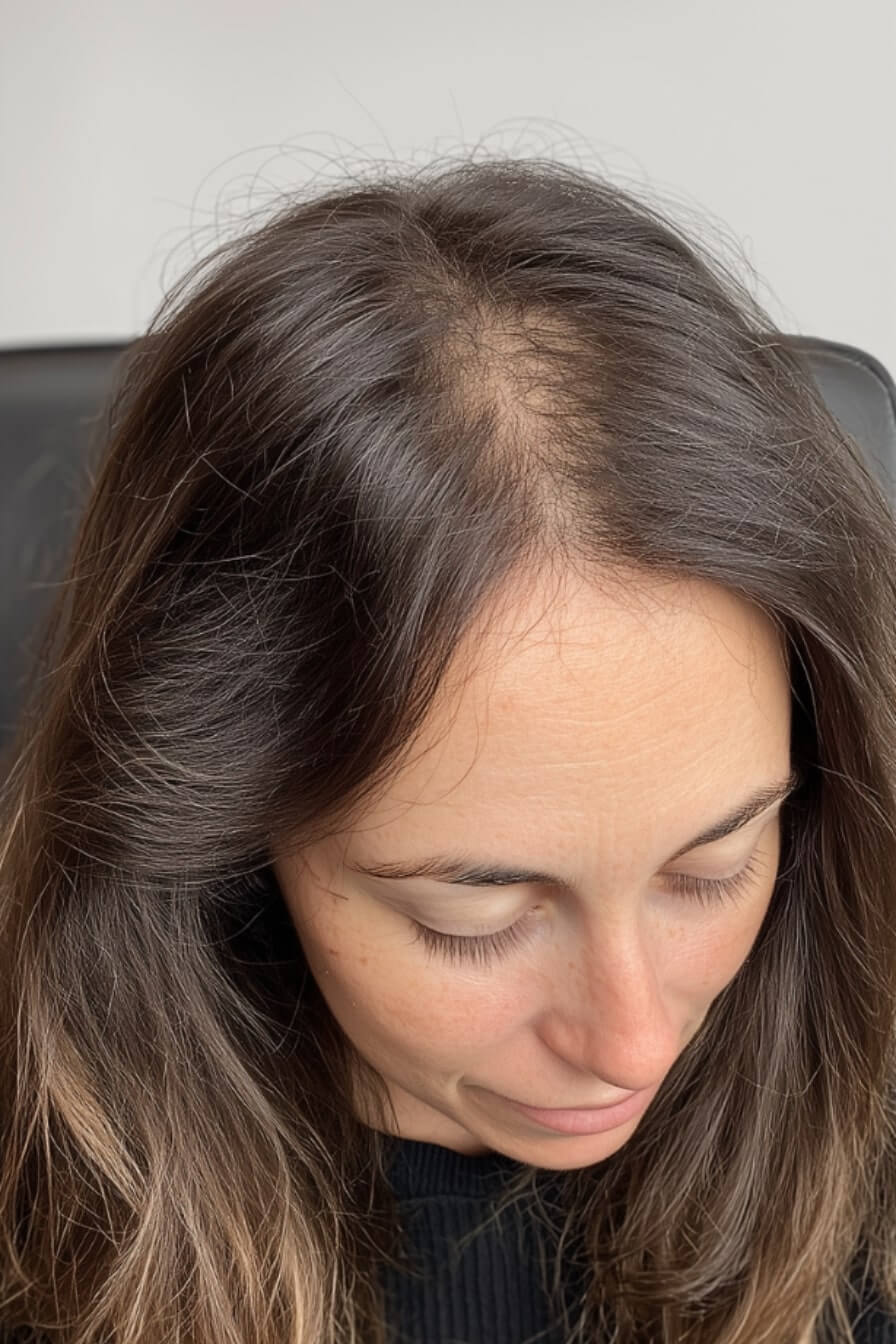
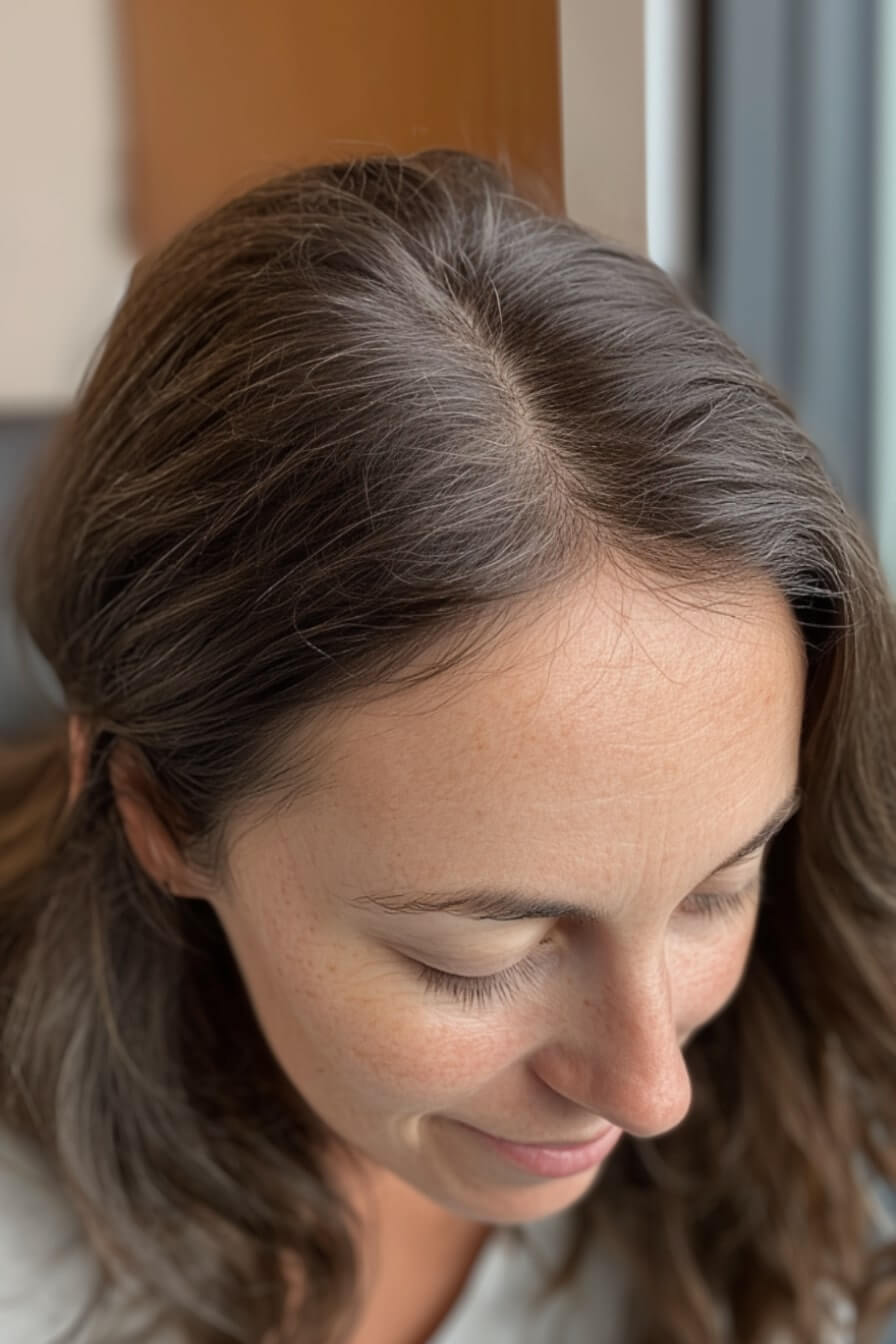
Hair of Jana F. before PRP, exosome and supplement treatment
Before
Hair of Jana F. 5 months after PRP, exosome and supplement treatment
After 5 months

Patient case

Jana F.

“ 
I never thought a combination of treatment and supplementation could be so effective. After just a few months I noticed my hair getting stronger.
 ”

Treatment plan

PRP treatment, exosomes and supplements

Timeframe

After 5 months
Hair of Ahmed M. before PRP treatment with supplements
Before
Hair of Ahmed M. 3 months after PRP treatment with supplements
After 3 months

Patient case

Ahmed M.

“ 
I was worried because my hair kept getting thinner. After taking the individually tailored nutrients I already saw clear improvement within a few weeks. Today I feel more at ease - and more confident.
 ”

Treatment plan

PRP treatment + supplements

Timeframe

After 3 months
Hair of Oxana L. before PRP treatment with supplements
Before
Hair of Oxana L. 5 months after PRP treatment with supplements
After 5 months

Patient case

Oxana L.

“ 
I had not felt comfortable with my hair for a long time. The treatment not only reactivated my hair growth - it also brought my confidence back. I am very grateful.
 ”

Treatment plan

PRP treatment + supplements

Timeframe

After 5 months
Hair of Yann P. before PRP, exosome and supplement treatment
Before
Hair of Yann P. 3 months after PRP, exosome and supplement treatment
After 3 months

Patient case

Yann P.

“ 
I would not have thought you could see such a difference in such a short time. After just a few weeks my scalp felt healthier - and today the hair is visibly growing back. I am thrilled!
 ”

Treatment plan

PRP treatment, exosomes and supplements

Timeframe

After 3 months
Hair of Emilia L. before PRP treatment with supplements
Before
Hair of Emilia L. 5 months after PRP treatment with supplements
After 5 months

Patient case

Emilia L.

“ 
I never thought my hair could recover like this. Today I feel feminine and alive again - simply myself.
 ”

Treatment plan

PRP treatment + supplements

Timeframe

After 5 months
Hair of Takomi O. before PRP and exosome treatment
Before
Hair of Takomi O. 3 months after PRP and exosome treatment
After 3 months

Patient case

Takomi O.

“ 
After just a few weeks I noticed my hair getting stronger. Today I see the difference every day in the mirror - and that changes my whole presence.
 ”

Treatment plan

PRP treatment + exosomes

Timeframe

After 3 months
Hair of Moh A. before PRP treatment with supplements
Before
Hair of Moh A. 3 months after PRP treatment with supplements
After 3 months

Patient case

Moh A.

“ 
I was sceptical whether anything could still change for me. But after a short time the first progress showed - today my hair is visibly denser again and I finally feel comfortable again.
 ”

Treatment plan

PRP treatment + supplements

Timeframe

After 3 months
Hair of Marie S. before PRP treatment with supplements
Before
Hair of Marie S. 5 months after PRP treatment with supplements
After 5 months

Patient case

Marie S.

“ 
Thinning at the sides unsettled me for a long time. Today I see fullness in my hair again - that changes not only how I look, but how I feel about myself.
 ”

Treatment plan

PRP treatment + supplements

Timeframe

After 5 months
View all before-and-after results

Real experiences

The path to restoration

Your 12-month roadmap

The roadmap brings together assessment, preparation, procedure day, recovery support, PRP bioactivation and medical monitoring in one structured year of care.

1

Assessment

Medical history, trichoscopy and a blood panel define the medical roadmap and the right graft strategy.

2

Preparation

Supplements and healing preparation support your body ahead of the procedure day.

3

Procedure day

Outpatient, under local anaesthesia, 4–8 hours including breaks. FUE extraction, microscopic sorting, implantation. You are awake, can listen to music and go home the same day.

4

Recovery & support

Days 1–10 are the critical healing phase: gentle washing with a special shampoo, no scratching, no sport, no sauna, no sun. Swelling and small scabs are normal.

5

Aftercare

PRP after about 4 weeks supports the healing cascade and the newly anchored follicles – especially relevant during the typical shock loss in weeks 2–4.

6

Continuous monitoring

Scheduled check-ups after 1, 3, 6 and 12 months document growth, density and scalp health. The team is also reachable between appointments.

Medical Team

Your medical team in Zurich

Meet the medical team supporting your restoration pathway, from assessment and surgical planning to recovery and long-term follow-up.

Dr. med. Christian Niehus, FMH-Facharzt bei Māra in Zürich

Dr. med. Christian Niehus FMH

Medical director / FMH specialist in surgery
Behandlerin aus dem Māra Team in der Praxis in Zürich

Dr. med. (LT) Juste Baksanskaite

Integrative Doctor & Hair Specialist
Dr. med. (BG) Mohammed El Samara, Arzt der Māra Haarklinik

Dr. med. (HU) Constantin Feller

Doctor specialised in hair regeneration
Kristina Weissenbach aus dem Māra Team in Zürich

Kristina Weissenbach

Clinical trichologist / Medical hair therapist
Beratung zur Haartransplantation in der Māra Haarklinik

Next step

Find out if a hair transplant is right for you

In our clinic in Zurich, the Māra team analyses your donor zone, hair density and blood values — the medical foundation for an honest assessment. You leave the consultation with a clear answer, a concrete plan and a transparent fixed price. No pressure, no sales pitch.

Frequently Asked Questions

FAQs

Hair transplantation is a surgical and biological commitment. These questions cover the most important points patients usually need to understand before a consultation.

No questions found

How many sessions are needed to achieve the desired result?

Do I need to shave my head completely for a hair transplant?

When can I go back to work after a hair transplant?

Is a hair transplant painful?

What is the difference between FUE and FUT?

Does health insurance cover a hair transplant in Switzerland?

Does health insurance cover a hair transplant in Switzerland?

How many grafts are needed for a hair transplant?

Am I a candidate for a hair transplant?

What does a hair transplant cost at Māra?

What are the risks?

When can I exercise, go in the sun, or swim again?

When does the result look its best?

When does the donor area fully heal?

What is shock loss, and is it normal?

Does an FUE hair transplant last forever?

Am I a candidate for an FUE hair transplant?