

Days 1-10
Healing
Redness, mild swelling at the forehead or temples and small scabs are normal. Grafts anchor; from day 7 they are generally considered taken. Behaviour in this phase decides almost 50% of the final result.
Before & after
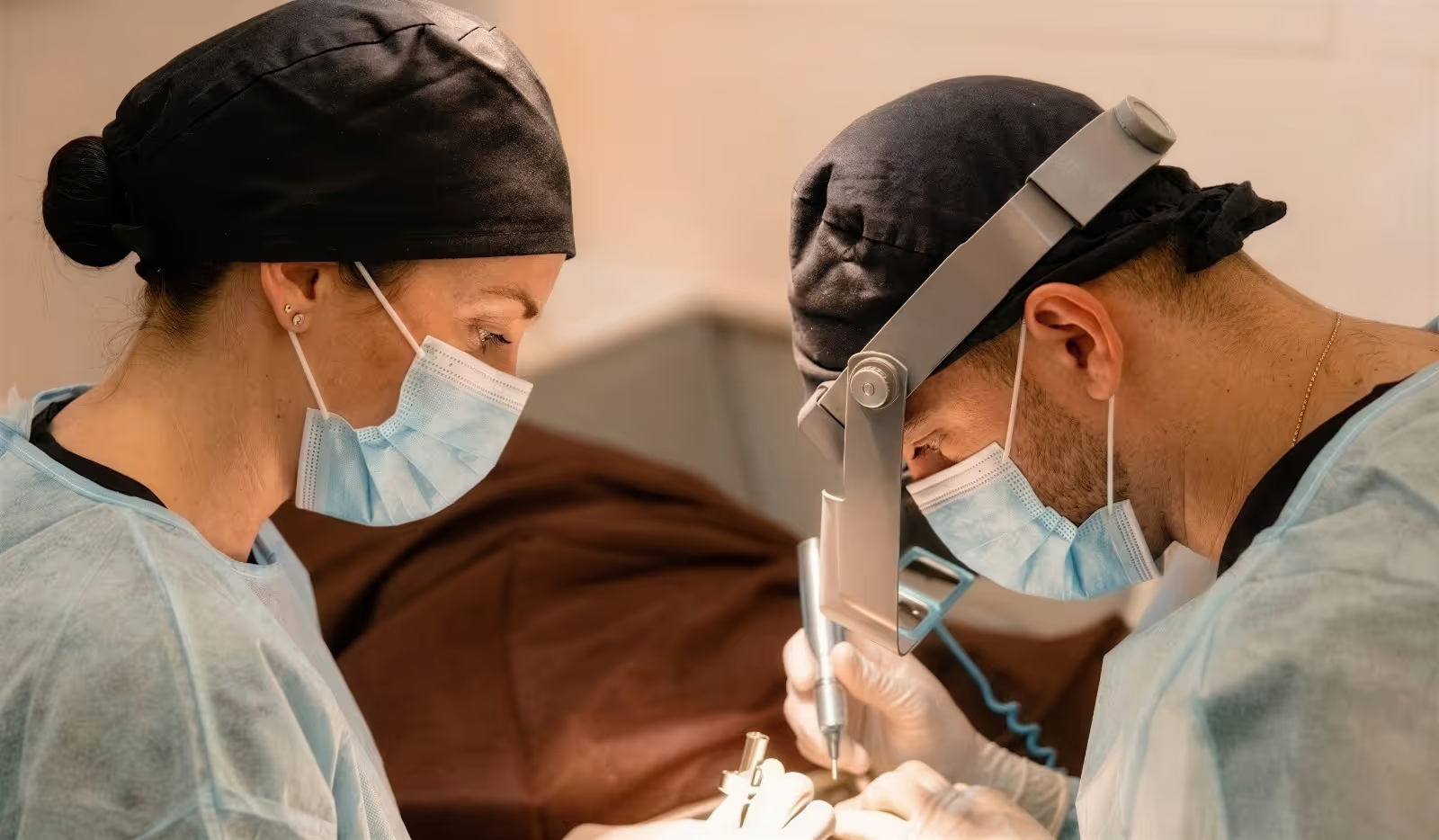
Documented hair transplant cases, mostly using the FUE method. The after photos show the result once healing is complete and the transplanted hair has grown out.
Results
Each card shows one patient before and after the hair transplant. Use the small images to switch between hairline, top and side views.
Growth Calendar
Restoration unfolds in biological stages. While responses vary, many patients experience a temporary resting or shedding phase before new growth emerges.
Days 1-10
Redness, mild swelling at the forehead or temples and small scabs are normal. Grafts anchor; from day 7 they are generally considered taken. Behaviour in this phase decides almost 50% of the final result.
Weeks 2-12
70–90% of transplanted hairs shed temporarily (shock loss). The roots stay anchored in the scalp. Month 1 is often the visually hardest — patience is part of the protocol.
Months 3-6
From about month 3, new, initially fine hair becomes visible. By month 6, many patients reach 50–60% of final density and everyday styling is possible again.
Month 12
80–90% of the final result is in place: denser, stronger hair, a natural hairline and a healed donor area. Fine densification can continue until month 14.
Next step
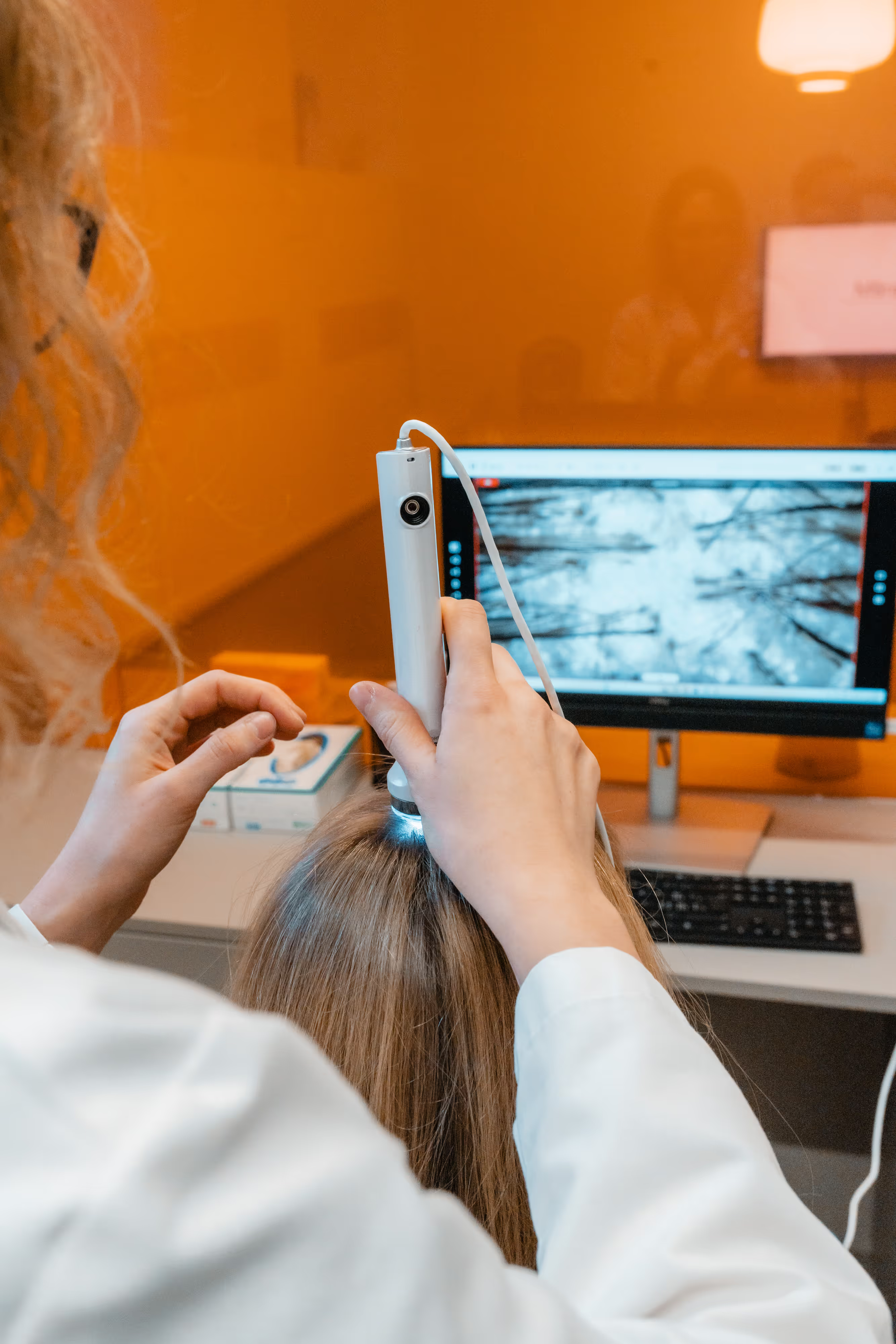
In our clinic in Zurich, the Māra team analyses your donor zone, hair density and blood values — the medical foundation for an honest assessment. You leave the consultation with a clear answer, a concrete plan and a transparent fixed price. No pressure, no sales pitch.
Frequently Asked Questions
Hair transplantation is a surgical and biological commitment. These questions cover the most important points patients usually need to understand before a consultation.

